
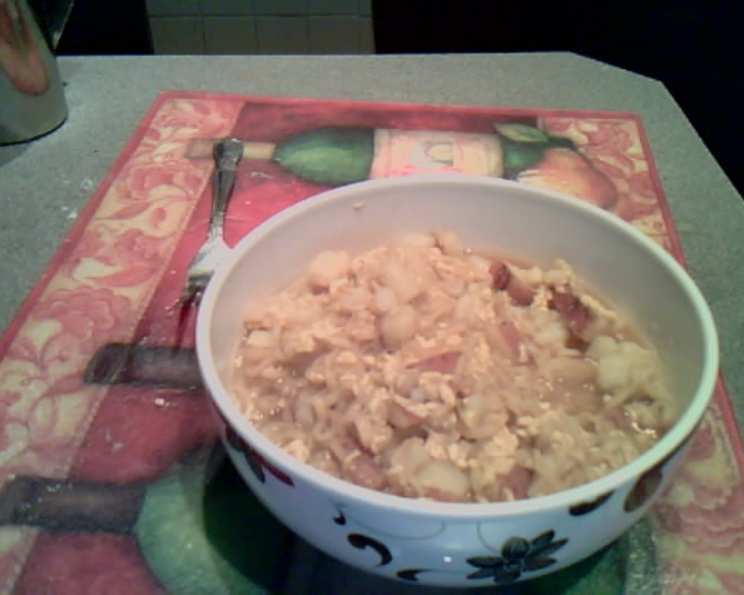
A Bowl of Soul: My Journey with Korean-Style Ramen (Ra-myeon)
There are certain foods that transport you instantly, not just across continents, but back in time, to a specific moment and feeling. For me, that food is a steaming, fragrant bowl of Korean ra-myeon. I remember the first time I truly tasted it, not from a packet in a college dorm, but prepared with care on a chilly evening in Seoul. The aroma of the savory broth, the springy noodles, the perfectly cooked egg – it was more than just a meal; it was a warm embrace, a comforting hug in liquid form. It’s a dish that embodies the Korean spirit of resourcefulness and delicious simplicity, a quick fix that never compromises on soul-warming flavor.
Recipe Overview
- Prep Time: 10 minutes
- Cook Time: 10 minutes
- Total Time: 20 minutes
- Servings: 2
- Yield: 2 bowls
- Dietary Type: Adaptable (typically not vegan due to egg and often seafood/meat-based broth)
Ingredients
Here’s what you’ll need to create this comforting Korean classic:
- 1 package ramen noodles (standard instant ramen noodle block, typically includes a seasoning packet)
- 1 medium potato, peeled and cut into small 1/4-inch (1cm) cubes
- Water, amount as directed on the ramen noodle package, plus about 25% more
- 1 green onion, sliced (optional, for garnish and a touch of freshness)
- 1 large egg, lightly beaten
Equipment Needed
- A medium saucepan
- A sharp knife for cubing the potato
- A cutting board
- A small bowl for beating the egg
- A whisk or fork for stirring the egg
- A serving bowl
Instructions
Crafting a delicious bowl of Korean ra-myeon is wonderfully straightforward, designed for speed and satisfaction. Follow these steps for an authentic taste experience:
- Begin by preparing your potato. Peel it and then carefully cut it into small, uniform 1/4-inch (1cm) cubes. The smaller size ensures they cook quickly and evenly.
- In your medium saucepan, measure out the water. Use the amount specified on your ramen noodle package as a baseline, but add approximately 25% more water than recommended. This extra liquid helps create a more flavorful and less concentrated broth, perfect for simmering the potatoes and noodles.
- Open your ramen noodle package and add the seasoning packet to the water. Stir it in to dissolve.
- Place the saucepan over medium-high heat and bring the seasoned water to a rolling boil.
- Once boiling, add the cubed potato to the pot. Reduce the heat to a simmer and allow the potatoes to cook until they are tender. This usually takes about 5-7 minutes, but you can test for doneness by piercing a cube with a fork.
- When the potatoes are tender, add the ramen noodles directly to the simmering broth. If you’re using it, now is also the time to add your sliced green onion.
- Simmer the noodles and potatoes, stirring the noodles constantly to prevent them from sticking to the bottom of the pot and to ensure they cook evenly. Continue simmering until the noodles are cooked through to your desired texture, typically around 2-3 minutes for most instant ramen.
- As the noodles finish cooking, begin slowly pouring your beaten egg into the noodle mixture. To achieve delicate ribbons of egg throughout the broth, continue stirring the noodles constantly as you pour the egg in a thin, steady stream. This technique emulsifies the egg into the broth, creating a lovely, slightly thickened texture.
- Remove from heat immediately once the egg is cooked. The residual heat will finish cooking the egg without overcooking it into tough strands.
Expert Tips & Tricks
- Broth is Key: Don’t be afraid to adjust the amount of water. A little extra water allows the flavors to meld beautifully without becoming too salty. Some cooks even like to add a splash of dashi or a pinch of MSG for an extra umami boost, though the included seasoning packet is usually quite robust.
- Egg Perfection: The key to the silky egg swirl is constant stirring. Pour the egg in a slow, continuous stream while actively moving the noodles. This prevents large, omelet-like pieces and creates those characteristic delicate strands.
- Garnish Game: While green onion is a classic, feel free to add other quick-cooking garnishes like a sprinkle of sesame seeds, a pinch of chili flakes for heat, or a few slivers of garlic during the last minute of simmering.
Serving & Storage Suggestions
This dish is best enjoyed piping hot, straight from the saucepan. Ladle the ra-myeon with plenty of broth, noodles, and tender potato cubes into a deep serving bowl. Garnish with fresh sliced green onions for a pop of color and fresh flavor.
Leftovers are best avoided as ramen noodles can become mushy quickly. However, if you must store it, cool any remaining portions completely and transfer them to an airtight container. Store in the refrigerator for no more than 1 day. Reheat gently on the stovetop with a little extra water, being mindful that the noodles may have softened.
Nutritional Information
| Nutrient | Amount per Serving | % Daily Value |
|---|---|---|
| Calories | 303.1 kcal | 15% |
| Total Fat | 9.1 g | 14% |
| Saturated Fat | 4 g | 20% |
| Cholesterol | 93 mg | 31% |
| Sodium | 907.2 mg | 37% |
| Total Carbohydrate | 45.7 g | 15% |
| Dietary Fiber | 3.3 g | 13% |
| Sugars | 1.6 g | 6% |
| Protein | 9.8 g | 19% |
Note: Nutritional values are approximate and can vary based on the specific ramen noodle brand and potato size.
Variations & Substitutions
While this recipe sticks to the classic, comforting preparation, there are always ways to make it your own:
- Spicy Kick: If you crave more heat, add a teaspoon of gochujang (Korean chili paste) or a pinch of gochugaru (Korean chili flakes) along with the seasoning packet.
- Vegetable Boost: Toss in some shredded napa cabbage, spinach, or bean sprouts during the last minute of simmering for added nutrients and texture.
- Protein Power: For a heartier meal, add sliced cooked chicken, beef, or some shrimp during the last few minutes of cooking.
FAQs
Q: Why do I need to add extra water to the ramen package instructions?
A: Adding about 25% more water helps create a richer, more balanced broth that isn’t too salty, allowing the potato and noodles to cook beautifully within it.
Q: How do I get the egg to form nice ribbons instead of one big clump?
A: The key is to stir the noodles constantly as you slowly pour the beaten egg into the pot. This action gently breaks up the egg and disperses it throughout the broth.
Q: Can I make this recipe vegan?
A: To make this vegan, you would omit the egg. You could also opt for a vegan ramen noodle brand and ensure the seasoning packet is also vegan-friendly.
Q: What kind of ramen noodles are best for this recipe?
A: Any standard block of instant ramen noodles will work. The included seasoning packet is integral to the traditional flavor.
Q: How quickly does this dish come together?
A: This is designed as a quick meal. From prepping the potato to serving, the entire process takes only about 20 minutes.
A Warm Invitation
There’s a profound satisfaction in creating a simple yet deeply flavorful dish like Korean ra-myeon. It’s a testament to how humble ingredients, prepared with a little care, can yield extraordinary comfort. I encourage you to try this recipe, to feel the warmth of the broth, the chewiness of the noodles, and the gentle embrace of the potato. It’s more than just a meal; it’s an experience. Enjoy every slurp!