
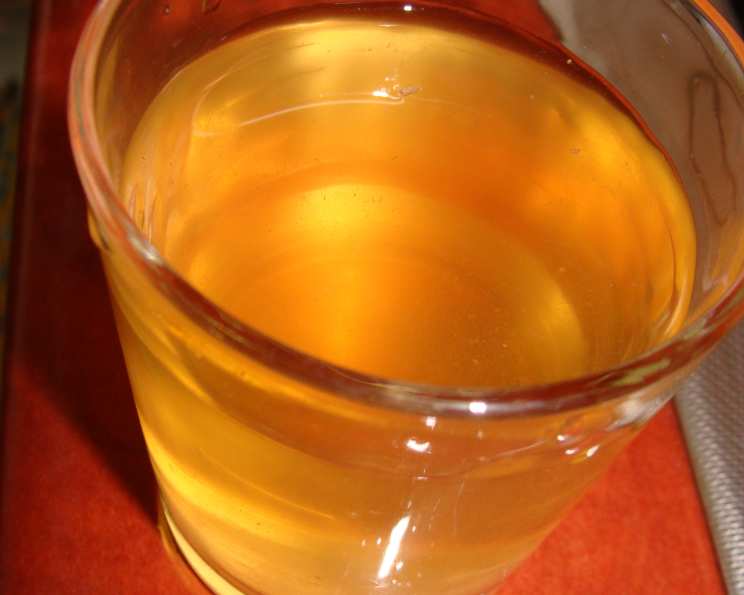
Nature’s Secret Hue: Crafting Rosemary Sage Hair Dye
As a chef, my connection to ingredients runs deep. I’ve spent years coaxing flavors from the earth, transforming humble herbs and spices into culinary masterpieces. But sometimes, the most profound culinary lessons come from unexpected places, like the desire to enhance one’s natural beauty. I remember a dear friend, a woman whose kitchen was always filled with the scent of simmering broths and baking bread, confessing her frustration with harsh chemical dyes. She yearned for a gentle, natural way to subtly refresh her hair color, a whisper of warmth rather than a shout. Inspired by her quest and my own love for botanical infusions, I delved into the world of plant-based colorants, discovering the remarkable potential of common kitchen staples like rosemary and sage.
Recipe Overview
- Prep Time: 10 minutes
- Cook Time: 30 minutes
- Total Time: Several hours (steeping) + application time
- Servings: 1 (for a single application)
- Yield: Approximately 2 cups of liquid colorant
- Dietary Type: N/A (for external use)
Ingredients
This recipe harnesses the natural pigments and subtle staining properties of two potent culinary herbs.
- ½ cup dried sage
- ½ cup dried rosemary
- 2 cups hot water
Equipment Needed
- Nonreactive saucepan
- Fine-mesh sieve or cheesecloth
- Bowl or applicator bottle for hair dye
Instructions
Crafting this natural hair colorant is a rewarding, albeit patient, process. It’s akin to brewing a potent tea, allowing the botanicals to release their essence and color.
-
Combine the Botanicals and Water: In a nonreactive saucepan, combine the ½ cup dried sage, ½ cup dried rosemary, and 2 cups hot water. Ensure your saucepan is not made of reactive materials like aluminum or copper, as these can interact with the herbs and affect the final color.
-
Simmer to Infuse: Place the saucepan over medium heat and bring the mixture to a gentle simmer. Allow it to simmer for 30 minutes. This crucial step allows the water to extract the color and beneficial compounds from the sage and rosemary. You’ll notice the water beginning to darken as the infusion deepens.
-
Steep for Deep Color: After simmering for 30 minutes, remove the saucepan from the heat. Cover it and allow the mixture to steep for several hours. The longer it steeps, the more potent the color will become. For a richer hue, you can even let it steep overnight. This slow infusion is key to maximizing the herbal pigment.
-
Strain the Colorant: Once the steeping time is complete, it’s time to strain the resulting liquid. Carefully pour the mixture through a fine-mesh sieve into a clean bowl or a convenient applicator bottle. If you desire an even clearer liquid, you can line the sieve with a piece of cheesecloth. Discard the used herbs.
-
Apply to Hair: Now, the transformative part. Apply the resulting liquid for the colorant generously to your hair. Ensure all strands are thoroughly saturated. You can do this over a sink or bathtub to catch any drips.
-
Let it Dry: Leave the herbal colorant on until your hair is completely dried. This allows the natural pigments to bind with the hair shaft. This may take some time, depending on your hair’s thickness and the ambient humidity.
-
Rinse and Dry: Once your hair is dry, rinse it with cool water until the water runs clear. Avoid using shampoo immediately after rinsing, as this can strip away the newly deposited color. Gently dry your hair as you normally would.
-
Maintain the Hue: For best results and to achieve your desired shade, repeat this process weekly. Once you have obtained the desired color, you can maintain it by repeating the process monthly. Consistency is key with natural colorants.
Expert Tips & Tricks
- Patch Test: Before a full application, it’s always wise to perform a patch test on a small, inconspicuous section of hair (like underneath) to gauge the color result.
- Temperature Matters: While the initial infusion uses hot water, applying the cooled liquid is more comfortable and allows for better absorption.
- Cleanliness is Key: Ensure all your equipment is scrupulously clean to prevent any unwanted microbial growth, especially if you plan to store any unused portion.
- Protect Your Surfaces: This natural dye can stain fabrics and countertops. Wear old clothing and protect your work area with newspapers or old towels.
- Consistency is Crucial: Natural colorants work subtly and build over time. Don’t expect dramatic, immediate results like chemical dyes. Embrace the gradual enhancement.
Serving & Storage Suggestions
This rosemary sage hair dye is prepared for immediate use. It is not intended for consumption.
- Storage: Store any unused liquid in an airtight container in the refrigerator for up to one week. Discard if you notice any signs of spoilage, such as an off odor or mold.
- Reheating: If stored in the refrigerator, you can gently warm the dye by placing the container in a bowl of warm water before application for a more comfortable experience. Do not microwave.
Nutritional Information
As this is a cosmetic treatment and not intended for consumption, nutritional information is not applicable.
Variations & Substitutions
While this recipe is specific and effective, you can explore slight variations:
- For Lighter Hair: If you have very light blonde or gray hair, you might want to start with a shorter steeping time or a slightly diluted infusion to achieve a more subtle tint.
- Adding a Shine Boost: Some individuals find adding a tablespoon of apple cider vinegar to the final rinse can help to seal the cuticle and enhance shine.
- Experimenting with Other Herbs: While rosemary and sage are excellent for subtle brown and auburn tones, other herbs like chamomile (for lighter shades) or black tea (for darker tones) can be explored in separate preparations.
FAQs
Q: What color can I expect from this rosemary sage hair dye?
A: This natural dye is best suited for enhancing brown or dark blonde hair, potentially adding subtle auburn or warmer brown undertones. It may show as a richer tone on lighter hair.
Q: How often should I use this dye to see results?
A: For noticeable results, it is recommended to repeat the process weekly until your desired shade is achieved, and then monthly for maintenance.
Q: Can this dye cover gray hair completely?
A: This natural dye is intended for subtle enhancement and tinting. It will likely offer a subtle tint or blend to gray hairs rather than provide complete, opaque coverage like chemical dyes.
Q: Will this dye damage my hair?
A: No, this herbal infusion is very gentle and can even offer conditioning benefits due to the properties of rosemary and sage.
Q: How long will the color last?
A: The longevity of natural hair color varies greatly depending on hair porosity, washing frequency, and hair products used. Continued use will help maintain the color.
Final Thoughts
The beauty of nature offers us incredible resources, and this rosemary sage hair dye is a testament to that. It’s a mindful approach to enhancing your appearance, connecting you to the earth’s bounty in a simple yet profound way. I encourage you to embrace this gentle ritual, to find satisfaction in the slow, natural transformation, and to perhaps even discover a new appreciation for the herbs in your pantry. Share your experiences, your subtle shifts in hue, and the quiet joy of nurturing your hair with nature’s own palette.