Rhubarb Butter: A Tart and Tangy Treasure from the Pantry
As a chef, I’ve always been drawn to ingredients that tell a story, and rhubarb is one such gem. It’s a culinary paradox, often mistaken for a fruit but botanically a vegetable, bursting with a vibrant, eye-watering tartness that can only be tamed with a touch of sweetness. Growing up, the arrival of spring meant the ruby stalks of rhubarb appearing in our garden, a signal that my mother would soon be whipping up batches of her legendary rhubarb butter. It wasn’t just a spread for toast; it graced the table atop simple cakes, and yes, in a surprising turn of culinary fusion, she’d even spoon it over roasted chicken, a bold and brilliant move that always delighted us. This isn’t your typical jam; it’s a more intense, concentrated flavor, a delightful balance of sweet and sour that has remained a cherished memory and a treasured recipe.
Recipe Overview
- Prep Time: 15 minutes
- Cook Time: 30 minutes
- Total Time: 45 minutes
- Servings: Approximately 6-8 servings (depending on jar size and usage)
- Yield: About 3 1/2 pints
- Dietary Type: Can be made Vegan (ensure sugar is vegan-certified if strict veganism is a concern)
Ingredients
Gather your ingredients for this delightful pantry staple:
- 6 cups rhubarb, trimmed and cut into 1-inch chunks
- 1/2 cup water
- 2 1/2 cups sugar (While the original recipe called for white sugar, feel free to experiment with brown sugar for a richer, deeper flavor profile, though this will alter the final taste and color slightly.)
- 1 teaspoon cinnamon
- 4 drops red food coloring (Optional, but recommended by Grandma for a truly vibrant hue. My mother and I often skipped this, preferring the natural color of the rhubarb.)
Equipment Needed
To bring this rhubarb butter to life, you’ll need a few essential tools:
- A sturdy blender or food processor
- A heavy-bottomed saucepan (this is crucial for preventing scorching)
- A heatproof spatula or wooden spoon for stirring
- Hot, prepared canning jars with lids and rings (sterilized and kept hot)
- A large pot or water bath canner for processing the jars
- A clean towel for cooling the jars
Instructions
Let’s transform those tart rhubarb stalks into a luscious spread. Follow these steps carefully for the best results:
-
Prepare the Rhubarb: Begin by trimming any leaves and the tough root end from your rhubarb stalks. Then, cut the stalks into roughly 1-inch chunks. This size is perfect for blending.
-
Create the Rhubarb Pulp: In your blender or food processor, combine the 1/2 cup of water and the prepared rhubarb chunks. Blend until you achieve a smooth pulp. You should end up with approximately 3 cups of pulp. If your blender struggles, you can add a tiny bit more water, but be mindful not to make it too watery.
-
Initial Cooking: Transfer the rhubarb pulp to a heavy-bottomed pan. Place the pan over medium heat and bring the mixture to a boil.
-
Add Sweetness and Spice: Once boiling, stir in the 2 1/2 cups of sugar and the 1 teaspoon of cinnamon. Continue to cook, stirring constantly, to prevent the mixture from sticking to the bottom of the pan. This constant stirring is key to achieving a smooth texture and avoiding burnt flavors.
-
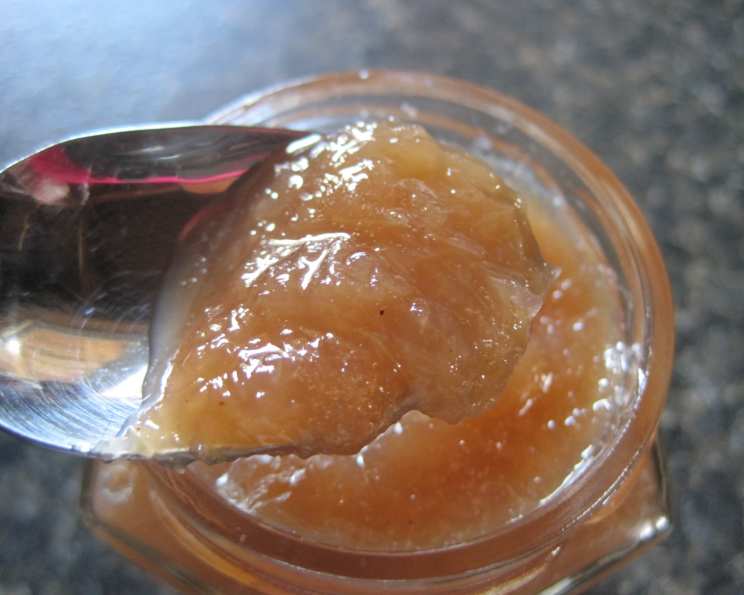
Achieve the Butter Consistency: Continue to cook and stir the mixture until it thickens to the consistency of fruit butter. This usually takes about 30 minutes, but the exact time will depend on your stove and the moisture content of your rhubarb. You’re looking for a spreadable, thick texture that coats the back of your spoon.
-
Enhance the Color (Optional): If you desire a more vibrant, jewel-toned color, now is the time to add up to 4 drops of red food coloring. This step was a favorite of Grandma’s, and while my mother and I often skipped it, it does create a visually stunning rhubarb butter. Stir it in thoroughly until the color is uniform.
-
Jarring for Preservation: Carefully ladle the hot rhubarb butter into hot, prepared canning jars. Leave about 1/4 inch of headspace at the top of each jar. Wipe the rims clean with a damp cloth to ensure a good seal, then place the lids and rings on the jars, tightening them to fingertip-tight.
-
Water Bath Canning: Place the filled jars into a water bath canner filled with enough hot water to cover the jars by at least 1 inch. Bring the water to a rolling boil (212 degrees Fahrenheit). Once boiling, process the jars for 5 minutes. Note: Processing times may need to be adjusted for altitude.
-
Cooling and Sealing: After the processing time, carefully remove the jars from the canner using a jar lifter. Place them on a clean towel on your counter, leaving space between them so air can circulate. Allow the jars to cool completely, undisturbed, for at least 12 to 24 hours. You’ll often hear a satisfying “pop” as the lids seal.
-
Check for Seals: Once cooled, press down on the center of each lid. If the lid doesn’t flex or move, it is properly sealed. Any jars that haven’t sealed should be refrigerated and used within a few weeks.
Expert Tips & Tricks
- Rhubarb Selection: For the most vibrant color and best flavor, choose firm, bright red stalks. Greenish or pale stalks tend to be less flavorful and can result in a less appealing color.
- Sugar Adjustment: The amount of sugar is crucial for both flavor and preservation. While the recipe calls for 2 1/2 cups, if your rhubarb is particularly tart, you might be tempted to add more. However, stick to the specified amount for proper canning. If you prefer a less sweet butter, you can always serve it with accompaniments that are naturally sweet.
- Preventing Scum: As the rhubarb butter cooks, a foamy scum might form on the surface. Skim this off with a spoon as it appears for a clearer, more polished final product.
- Consistency Check: The cooking time can vary. To test for doneness, spoon a small amount onto a cold plate. If it thickens and holds its shape after cooling slightly, it’s ready.
- Jar Sterilization: Properly sterilizing your jars and lids is paramount for safe canning. Ensure you are following recommended canning practices for your region.
Serving & Storage Suggestions
Rhubarb butter is incredibly versatile, offering a delightful tangy counterpoint to many dishes. It’s fantastic spread generously on buttered toast, scones, muffins, or biscuits. For a more adventurous culinary experience, try it as a glaze for pork chops or roasted chicken, adding a unique sweet and sour note. It also makes a surprising and delicious filling for crepes or a topping for yogurt and ice cream.
Once properly sealed, your rhubarb butter will keep in a cool, dark pantry for up to a year. Unsealed jars or jars that have been opened should be stored in the refrigerator and will keep for 2-3 weeks. You can also freeze rhubarb butter in freezer-safe containers for longer storage, where it should last for several months.
Nutritional Information
This data is an estimation and can vary based on specific ingredients and serving sizes.
| Nutrient | Amount per Serving (approx. 2 tbsp) | % Daily Value |
|---|---|---|
| Calories | 100-120 | 5-6% |
| Total Fat | 0 g | 0% |
| Saturated Fat | 0 g | 0% |
| Cholesterol | 0 mg | 0% |
| Sodium | 5 mg | <1% |
| Total Carbohydrate | 25-30 g | 9-10% |
| Dietary Fiber | 1 g | 4% |
| Sugars | 23-28 g | 46-56% |
| Protein | <1 g | <1% |
Note: The sugar content is significant due to the nature of preserving fruit spreads.
Variations & Substitutions
While this recipe is classic for a reason, feel free to explore its potential:
- Spice It Up: Add a pinch of ground ginger or a whisper of cardamom along with the cinnamon for a more complex spice profile.
- Citrus Zest: For an extra brightness, stir in the zest of one lemon or orange during the last 10 minutes of cooking.
- Berry Boost: If you have a surplus of early berries, you can substitute some of the rhubarb with strawberries or raspberries. Adjust sugar as needed, as berries are often sweeter than rhubarb.
- Sugar Alternatives: While traditional, you can experiment with alternative sweeteners like maple syrup or agave, but be aware this will alter the flavor and may affect the setting properties and shelf life. Adjust quantities carefully.
FAQs
Q: Can I make rhubarb butter without a blender?
A: Yes, you can. You would need to finely chop the rhubarb and then cook it down considerably in the saucepan before adding the sugar and cinnamon. The texture will be chunkier, more like a jam.
Q: Why did my rhubarb butter not set?
A: Rhubarb butter doesn’t rely on pectin for setting like many jams. The sugar and the reduction process are what thicken it. Ensure you cooked it long enough until it reached a thick, spreadable consistency that coats the spoon. Over-boiling can also sometimes hinder setting.
Q: Can I use frozen rhubarb?
A: Absolutely! Thaw the frozen rhubarb first and drain off any excess liquid before proceeding with the recipe. You may need to adjust the cooking time slightly as frozen rhubarb can release more moisture.
Q: Is rhubarb butter the same as rhubarb jam?
A: While they share rhubarb as a primary ingredient, rhubarb butter is cooked down to a much thicker, smoother consistency, closer to a fruit butter or a very thick applesauce. Jam typically has a looser, jelly-like texture with more discernible fruit pieces.
Q: How do I know if my canned jars are sealed properly?
A: A properly sealed lid will be concave (curved downwards) and will not flex or move when pressed in the center after cooling. If a lid has popped up, it is not sealed and should be refrigerated and used quickly.
Final Thoughts
There’s a certain magic in preserving the bounty of the season, and rhubarb butter is a testament to that. It’s a simple yet profound reminder that even the most tart ingredients can be transformed into something truly special with a little care and intention. This recipe is more than just a set of instructions; it’s an invitation to connect with the flavors of springtime and create something delicious that will brighten your pantry for months to come. I encourage you to give it a try, and I’d be delighted to hear how you enjoy this tart and tangy treasure. Perhaps you’ll discover a new favorite way to use it, just as my mother did with her adventurous chicken dish!