
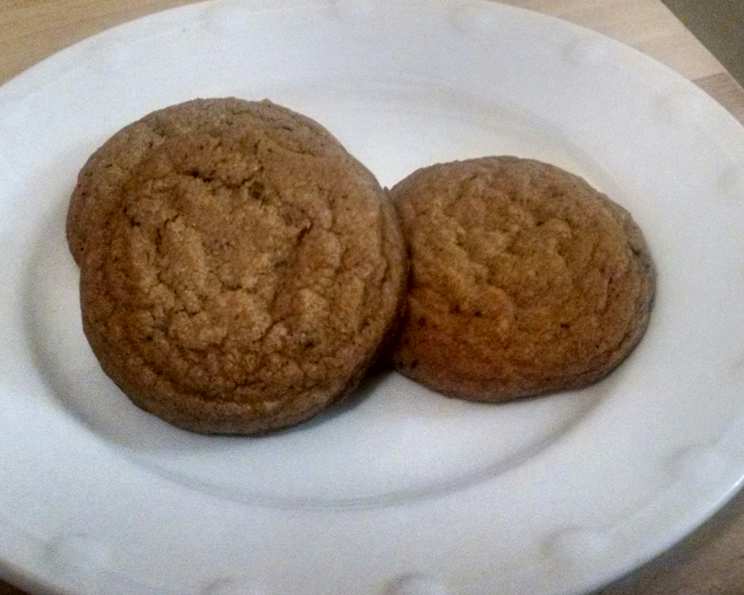
Rosemary Brown Butter Cookies: Aromatic Sophistication in Every Bite
The first time I encountered rosemary in a sweet context, it was a revelation. I was assisting a pastry chef in a small bistro, and she pulled a batch of these intriguing little cookies from the oven. The aroma that wafted through the kitchen was unlike anything I’d smelled in baking before – that earthy, piney fragrance of rosemary, mellowed and deepened by the nutty sweetness of browned butter. It was a sophisticated whisper, hinting at something complex and utterly delicious. These cookies aren’t your everyday sugar bombs; they are a delicate dance of savory and sweet, an elegant treat that always surprises and delights.
Recipe Overview
- Prep Time: 15 minutes
- Cook Time: 7-8 minutes per batch
- Total Time: Approximately 30-40 minutes (depending on batches)
- Yield: 24 cookies
- Dietary Type: Vegetarian
Ingredients
This recipe relies on the quality of its ingredients, so use the freshest you can find, especially for the rosemary.
- 1/2 cup butter, browned and cooled
- 2/3 cup brown sugar (I prefer dark brown sugar for its deeper molasses notes, but light brown sugar works beautifully too)
- 2 teaspoons fresh rosemary, finely chopped (Using fresh rosemary is crucial here; dried will lose its vibrant flavor in the baking process)
- 1 large egg
- 1 teaspoon molasses
- 1 1/4 cups all-purpose flour
- 1/4 teaspoon salt
- 1/4 teaspoon baking soda
Equipment Needed
- Small, light-bottomed saucepan (for browning butter)
- Mixing bowls (at least two)
- Whisk
- Spatula or wooden spoon
- Baking sheets
- Parchment paper or silicone baking mats (optional, for easier cleanup)
- Small cookie scoop (1 tablespoon size is ideal)
- Wire cooling rack
Instructions
Crafting these cookies is a straightforward process, but attention to detail, especially when browning the butter, will elevate them.
- Preheat your oven to 350°F (175°C). Prepare your baking sheets by lining them with parchment paper or silicone baking mats if you have them. This prevents sticking and makes cleanup a breeze.
- Brown the butter. This is where the magic begins. Melt the 1/2 cup of butter in a light-bottomed saucepan over medium heat. A light bottom is key so you can easily monitor the color change. As the butter melts, it will foam. Continue to cook, stirring frequently, until the milk solids at the bottom of the pan turn a beautiful amber-brown and the butter develops a rich, nutty aroma. This usually takes about 5-8 minutes. Watch it closely, as it can go from perfectly browned to burnt very quickly. Once it reaches the desired color and aroma, immediately remove the pan from the heat and pour the browned butter into a heatproof bowl. Set it aside to cool to room temperature. This cooling process is important; you don’t want to cook the other ingredients with hot butter.
- Combine dry ingredients. In a medium mixing bowl, sift together the 1 1/4 cups of flour, 1/4 teaspoon of salt, and 1/4 teaspoon of baking soda. Sifting ensures that these leavening agents and the flour are evenly distributed, leading to a consistent cookie texture.
- Cream the butter and sugar. In a separate, larger mixing bowl, combine the cooled browned butter and the 2/3 cup of brown sugar. Mix them together until well combined.
- Incorporate wet ingredients and rosemary. Add the 2 teaspoons of finely chopped rosemary, 1 large egg, and 1 teaspoon of molasses to the brown butter and sugar mixture. Mix thoroughly until everything is well incorporated. The molasses adds a lovely depth of color and a subtle chewiness.
- Add the dry ingredients. Gradually add the sifted flour mixture to the wet ingredients. Mix until just combined. Be careful not to overmix at this stage, as it can develop the gluten in the flour and result in tougher cookies. Stop mixing as soon as you no longer see streaks of dry flour.
- Scoop the dough. Using a small cookie scoop (a 1 tablespoon size is ideal), drop rounded tablespoons of dough onto the prepared baking sheets. Leave about 2 inches of space between each cookie, as they will spread slightly.
- Bake the cookies. Bake for 7-8 minutes, or until the edges of the cookies begin to turn golden brown. The centers may still look slightly soft, but they will continue to set as they cool. Overbaking will result in a crispier cookie, which is lovely, but this recipe aims for a softer texture.
Expert Tips & Tricks
- Browning Butter Patience: Don’t rush the butter browning. It’s the foundation of the cookie’s flavor. Listen for the crackling to stop and watch for the golden-brown specks to appear at the bottom of the pan.
- Rosemary Freshness: If your rosemary isn’t as fragrant as you’d like, give it a gentle rub between your fingers before chopping to release its oils.
- Cookie Scoop Consistency: Using a cookie scoop ensures that each cookie is the same size, leading to even baking. If you don’t have one, two teaspoons can approximate the measurement.
- Doneness Test: The edges browning is your primary indicator. If you’re unsure, you can gently press the center of a cookie; it should feel slightly firm but still have a little give.
- Cooling is Key: Allow the cookies to cool on the baking sheet for a few minutes before transferring them to a wire rack. This prevents them from breaking.
Serving & Storage Suggestions
These Rosemary Brown Butter Cookies are best served at room temperature, allowing their nuanced flavors to shine. They are delightful on their own, perhaps with a cup of black tea or a glass of milk. For a more decadent experience, consider pairing them with a mild cheese like a creamy goat cheese or a light mascarpone.
Storage: Store cooled cookies in an airtight container at room temperature for up to 3 days. If you live in a humid climate, it’s best to add a small food-safe desiccant pack to the container to maintain their texture. They can also be frozen for up to 2 months; simply place them in a freezer-safe bag or container with parchment paper between layers. To reheat, gently warm them in a 300°F (150°C) oven for 3-5 minutes.
Nutritional Information
(Please note: Nutritional information is an estimate and can vary based on ingredient brands and exact measurements.)
| Nutrient | Amount per Serving | % Daily Value |
|---|---|---|
| Calories | 84.7 kcal | |
| Calories from Fat | ||
| Total Fat | 4.1 g | 6% |
| Saturated Fat | 2.5 g | 12% |
| Cholesterol | 17.9 mg | 5% |
| Sodium | 76 mg | 3% |
| Total Carbohydrate | 11.2 g | 3% |
| Dietary Fiber | 0.2 g | 0% |
| Sugars | 6.1 g | 24% |
| Protein | 1 g | 1% |
Variations & Substitutions
While this recipe is wonderfully balanced as is, feel free to experiment!
- Subtle Rosemary: If you’re new to savory herbs in baking or prefer a less pronounced rosemary flavor, start with 1 teaspoon of rosemary. You can always add more in future batches.
- Sweeter Palate: For those with a penchant for sweeter treats, you can increase the brown sugar to 3/4 cup.
- Citrus Zest: A teaspoon of finely grated lemon or orange zest added with the rosemary can provide a bright, complementary note.
- Add-ins: A sprinkle of flaky sea salt on top of the cookies just before baking adds a delightful textural and flavor contrast.
FAQs
Q: My browned butter looks too dark, is it burnt?
A: If it smells burnt and has a very dark, almost black color, it likely is. You’ll want to discard it and start again with fresh butter. The ideal color is a rich amber-brown with a nutty aroma.
Q: Can I use dried rosemary instead of fresh?
A: While possible, it’s not recommended for this recipe. Dried rosemary has a more concentrated and different flavor profile, and its texture can become woody when baked. Fresh rosemary offers a brighter, more nuanced herbal note.
Q: My cookies spread a lot, what did I do wrong?
A: Overmixing the dough, using melted butter that is too warm, or not chilling the dough (though not a required step in this recipe) can all contribute to excessive spreading. Ensure your butter is fully cooled and mix the dry ingredients in gently.
Q: Why aren’t my cookies golden brown on the edges?
A: This could be due to your oven temperature being slightly off, or the cookies being slightly underbaked. Ensure your oven is accurately preheated. If the edges are still pale after 8 minutes, you can bake for another minute or two, watching carefully.
Q: How can I make these cookies chewier?
A: This recipe already produces a wonderfully soft cookie. For an even chewier texture, you could try using an extra egg yolk and slightly reducing the flour, but this would alter the original recipe’s integrity.
Final Thoughts
These Rosemary Brown Butter Cookies are a testament to the fact that the most exquisite flavors often come from unexpected combinations. They bridge the gap between the familiar comfort of a cookie and the intriguing sophistication of a well-loved herb. I encourage you to bake a batch, share them with friends, and savor the moment they inevitably spark conversation and delight. They are a reminder that a little culinary adventure can yield incredibly rewarding results. Enjoy every aromatic, buttery bite!