
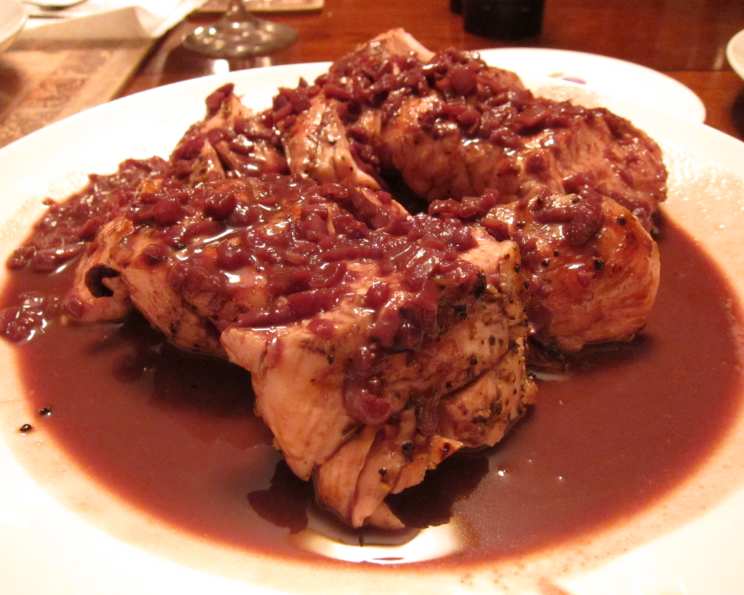
The Quintessential Red Wine Pan Sauce: Elevating Every Bite
There are certain moments in a kitchen that etch themselves into your culinary memory, and for me, one of them involves the transformative power of a simple pan sauce. I recall a drizzly evening years ago, after a long day of testing recipes, when I was faced with a couple of perfectly seared, but rather plain, chicken breasts. A half-empty bottle of Merlot sat on the counter, and a vague memory of a French culinary textbook sparked an idea. With a flurry of shallots, a splash of wine, and the magic of reduction, that humble pan transformed into a vessel of liquid gold, imbuing the chicken with a depth of flavor I hadn’t anticipated. That night, I learned that a truly luxurious sauce isn’t about complexity, but about coaxing the most out of a few, well-chosen ingredients.
Recipe Overview
- Prep Time: 2 minutes
- Cook Time: 11 minutes
- Total Time: 13 minutes
- Servings: 4
- Yield: 2/3 cup
- Dietary Type: Can be adapted for Gluten-Free (ensure broth is GF)
Ingredients
- 4 tablespoons unsalted butter, divided
- 1/4 cup finely chopped shallot
- 1 cup low-sodium beef broth (or 1 cup chicken broth)
- 3/4 cup red wine (a dry variety like Merlot, Cabernet Sauvignon, or Pinot Noir works beautifully)
- 1 tablespoon balsamic vinegar
- 2 teaspoons Dijon mustard, preferably grainy
- Kosher salt and freshly ground black pepper, to taste
Equipment Needed
- Medium sauté pan (a 10-inch skillet is ideal)
- Whisk
- Measuring cups and spoons
Instructions
This recipe is elegantly straightforward, designed to transform the fond left in your pan after searing meat into a rich, deeply flavored sauce. It’s a technique that speaks to the heart of classic cooking, where waste is minimized and flavor is maximized.
-
Sauté the Shallots: In a medium sauté pan, heat 1 tablespoon of the unsalted butter over medium heat. Add the finely chopped shallot to the pan. Cook, stirring often, until the shallots are softened and translucent but have not browned. This should take approximately 2 minutes. The gentle heat prevents them from becoming bitter, allowing their sweetness to develop.
-
Deglaze and Build the Base: Add the low-sodium beef broth (or chicken broth), red wine, balsamic vinegar, and Dijon mustard to the pan. Increase the heat to high and bring the mixture to a rolling boil, stirring frequently. This vigorous boil is crucial for the reduction process.
-
Reduce the Sauce: Continue to boil the liquid, stirring frequently, until it has reduced significantly. You are looking for the sauce to be reduced to 1/2 cup. This process will take about 9 minutes. You’ll notice the liquid thickening slightly and its color deepening as the flavors concentrate. This is where the magic happens, as the alcohol from the wine evaporates, leaving behind its complex flavor notes, and the other ingredients meld into a harmonious blend.
-
Emulsify with Butter: Once the sauce has reached the desired reduction, remove the pan from the heat. This is an important step to prevent the butter from separating or becoming greasy. Whisk in the remaining 3 tablespoons of unsalted butter, one tablespoon at a time, until each addition is fully incorporated before adding the next. This process, known as emulsification, will create a lusciously smooth and glossy sauce.
-
Season to Perfection: Finally, season the sauce to taste with kosher salt and freshly ground black pepper. Taste and adjust as needed. A little salt will brighten all the flavors, and fresh black pepper adds a welcome bite.
Expert Tips & Tricks
The beauty of a pan sauce lies in its adaptability and the lessons it teaches about building flavor. Here are a few insights from my years in the kitchen that can help you master this fundamental technique:
- The Right Pan: While any sauté pan will work, a heavy-bottomed pan will distribute heat more evenly, helping to prevent scorching and ensuring a more consistent reduction. Stainless steel is excellent for this as it allows you to see the fond (the browned bits) clearly, which is the flavor foundation of your sauce.
- Don’t Rush the Reduction: Patience is key during the reduction phase. Boiling too quickly can lead to uneven evaporation and a less concentrated flavor. Conversely, if the heat is too low, it will take much longer, and you risk overcooking the shallots. Aim for a steady, vigorous simmer.
- Quality of Wine Matters: While you don’t need to use your most expensive bottle, opt for a red wine you would enjoy drinking. The nuances of the wine will significantly impact the final sauce. Avoid “cooking wines” as they often contain added salt and artificial flavors.
- Butter is Your Friend: The final addition of cold butter not only adds richness and a glossy sheen but also helps to emulsify the sauce, making it more stable and luxurious. Ensure the pan is off the heat before whisking it in.
- Embrace the Fond: The browned bits stuck to the bottom of the pan after searing meat are packed with flavor. This sauce is designed to capture and reincorporate them. If your pan is completely clean before you start, you’ll be missing out on a crucial flavor component.
Serving & Storage Suggestions
This red wine pan sauce is incredibly versatile and shines when served warm. It’s the perfect accompaniment to:
- Seared steaks: A classic pairing that needs no introduction.
- Grilled or pan-fried chicken breasts: Elevates simple poultry to something extraordinary.
- Roasted pork tenderloin: The richness of the sauce complements the lean pork beautifully.
- Lamb chops: A sophisticated match for the gamey flavor of lamb.
- Even hearty vegetables: Consider drizzling it over roasted mushrooms or asparagus for an added layer of indulgence.
To serve, spoon the warm sauce generously over your prepared protein or vegetables just before bringing them to the table. The glossy sheen and rich aroma are part of the dining experience.
Storage: Leftover red wine pan sauce can be stored in an airtight container in the refrigerator for up to 3 days. The butter may separate upon chilling, which is perfectly normal.
Reheating: To reheat, gently warm the sauce in a small saucepan over low heat, whisking occasionally. You can also re-emulsify it by whisking in a tiny knob of cold butter as it warms. Avoid high heat, as this can cause the sauce to break.
Nutritional Information
Please note that these values are estimates and can vary based on the specific ingredients and quantities used. The nutritional profile is largely influenced by the fat content of the butter and the type of broth and wine.
| Nutrient | Amount per Serving (approx. 2.6 tbsp) | % Daily Value |
|---|---|---|
| Calories | 151.7 | – |
| Calories from Fat | (Calculated based on total fat) | – |
| Total Fat | 11.6 g | 17% |
| Saturated Fat | 7.3 g | 36% |
| Cholesterol | 30.5 mg | 10% |
| Sodium | 33.8 mg | 1% |
| Total Carbohydrate | 3.6 g | 1% |
| Dietary Fiber | 0.1 g | 0% |
| Sugars | 0.9 g | 3% |
| Protein | 0.5 g | 1% |
Note: The “Calories from Fat” percentage daily value is often presented in relation to a standard 2000-calorie diet, but the specific calculation can vary.
Variations & Substitutions
While this recipe is a perfect foundation, there are delightful ways to customize it:
- Herbal Infusion: Add a sprig of fresh thyme or rosemary to the pan during the reduction phase for an aromatic lift. Remove the sprig before whisking in the butter.
- Mushroom Medley: Sauté sliced mushrooms (cremini, shiitake, or a mix) after the shallots have softened, then proceed with the liquid ingredients. This adds an earthy depth.
- Creamy Dream: For an extra decadent sauce, whisk in a tablespoon or two of heavy cream along with the butter at the end.
- Brandy or Cognac: If you have a splash of brandy or cognac on hand, you can substitute a tablespoon or two of it for some of the red wine for a different flavor profile. Allow it to bubble and reduce slightly before adding the other liquids.
- Gluten-Free Option: This sauce is naturally gluten-free, provided your beef broth or chicken broth is certified gluten-free.
FAQs
Q: What is “fond” and why is it important for this sauce?
A: Fond refers to the browned bits of food stuck to the bottom of a pan after searing meat. These bits are packed with intense flavor and are the base for deglazing and building pan sauces like this one.
Q: Can I use any red wine for this sauce?
A: It’s best to use a dry red wine that you would enjoy drinking. Avoid sweet wines or those labeled as “cooking wine,” as they can result in an unbalanced sauce.
Q: My sauce looks a bit greasy. What did I do wrong?
A: This usually happens if the butter is added while the pan is still too hot. Ensure the pan is removed from the heat before whisking in the butter for a smooth, emulsified sauce.
Q: Can I make this sauce ahead of time?
A: While best served fresh, you can make the sauce and reheat it gently. Just be sure to re-emulsify with a small piece of cold butter if it separates upon chilling.
Q: What is the best way to know when the sauce has reduced enough?
A: The sauce should coat the back of a spoon thinly and visibly. If you run your finger through it on the back of the spoon, the line should hold for a moment before the sauce slowly flows back together.
Final Thoughts
The red wine pan sauce is more than just a recipe; it’s an education in transforming simple ingredients into something truly sublime. It’s a testament to the power of technique and a reminder that extraordinary flavors often lie within the seemingly ordinary. The next time you sear a steak or chicken, take a moment to embrace the fond in your pan. With just a few more minutes and a handful of pantry staples, you can create a sauce that not only complements your meal but elevates it to an entirely new level of deliciousness. Give it a try, savor the rich aromas, and don’t hesitate to experiment with the variations. Your taste buds will thank you.