
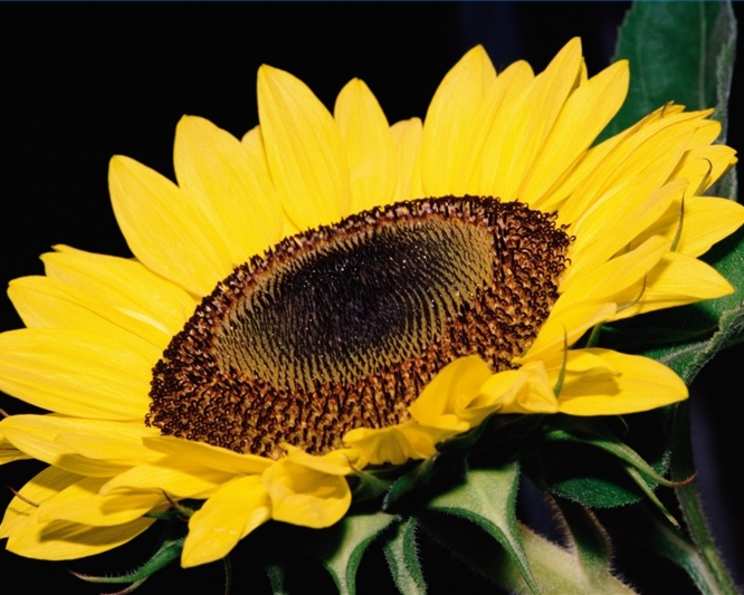
The Humble Sunflower Seed: Roasted to Salty Perfection
There’s a certain comforting ritual to preparing roasted salted sunflower seeds, one that always transports me back to brisk autumn afternoons and the scent of woodsmoke in the air. I remember my grandmother, her hands dusted with flour from baking, meticulously rinsing a colossal bag of in-shell sunflower seeds, destined for a weekend football game. The gentle bubbling of the salty water, followed by the intoxicating aroma filling her small kitchen as they roasted, was a sensory symphony that signaled pure, unadulterated joy. It’s a snack that’s as much about the process as it is about the satisfying crunch and burst of flavor. Simple, honest, and utterly delicious.
Recipe Overview
- Prep Time: 15 minutes
- Cook Time: 1 hour 30 minutes (simmering) + 25-30 minutes (roasting)
- Total Time: Approximately 2 hours
- Servings: Variable (depending on consumption!)
- Yield: 1 cup (roasted seeds)
- Dietary Type: Adaptable (Vegan if no dairy/animal products are used in accompaniments)
Ingredients
- 1 cup sunflower seeds (in their shells)
- 2 quarts water
- 1/2 cup salt
Equipment Needed
- Medium saucepan
- Colander
- Paper toweling
- Baking sheet
- Oven
Instructions
Embarking on the journey to perfectly roasted salted sunflower seeds is a delightfully straightforward process, one that rewards patience with an irresistible snack. Begin by gathering your simple yet essential ingredients.
- In a medium saucepan, combine 2 quarts of water with 1/2 cup of salt.
- While the salty brine is being prepared, take your sunflower seeds. Gently rinse them under cool running water. This step is crucial to remove any residual plant matter, husks, or debris that might have clung to them from their harvest.
- Carefully add the rinsed sunflower seeds to the saucepan containing the salt and water mixture.
- Place the saucepan over medium-high heat and bring the water to a rolling boil.
- Once boiling, reduce the heat to low and allow the mixture to simmer gently.
- Continue to simmer for 1 to 1 1/2 hours. This lengthy simmer allows the salt to penetrate the shells, imbuing the seeds within with a delightful briny flavor. Resist the urge to shorten this time; it’s key to achieving that signature taste.
- After the simmering period, strain the water and seeds using a colander. Do not rinse the seeds after draining. The salty coating is precisely what you want.
- Spread the seeds out in a single layer on a baking sheet. Use paper toweling to help absorb any excess moisture, allowing them to dry thoroughly. This drying is important before they go into the oven.
- Preheat your oven to 325 degrees Fahrenheit (160 degrees Celsius).
- Spread the now-dried seeds evenly on a clean baking sheet.
- Bake for 25 to 30 minutes. During this time, it’s important to stir the seeds frequently, ideally every 5-10 minutes. This ensures even roasting and prevents any scorching.
- Your sunflower seeds are ready when they are slightly browned and wonderfully fragrant. The aroma is your best indicator of their readiness.
- Remove the baking sheet from the oven and allow the seeds to cool completely on the baking sheet before enjoying. As they cool, they will continue to crisp up.
NOTE: For those seeking a salt-free version of this delightful snack, the process is even simpler. Simply eliminate the first 7 steps of the recipe. Begin directly with preheating your oven to 325 degrees Fahrenheit (160 degrees Celsius) and proceed from Step 8, spreading your unsalted, rinsed, and dried sunflower seeds on a baking sheet to roast for 25 to 30 minutes, stirring frequently, until fragrant and lightly toasted.
Expert Tips & Tricks
The beauty of roasted salted sunflower seeds lies in their simplicity, but a few chef-driven nuances can elevate them from good to truly exceptional.
- Seed Quality Matters: While most commercially available sunflower seeds will work, opting for high-quality, fresh seeds will yield the best flavor and texture. Look for plump seeds that feel heavy for their size.
- The Salt Soak: The duration of the salt soak is critical. Don’t be tempted to rush it. The longer simmer not only infuses flavor but also slightly softens the shells, making them easier to crack open after roasting.
- Drying is Key: Ensuring the seeds are well-dried after their salt bath is paramount before they hit the oven. Excess moisture can lead to steaming rather than roasting, resulting in a less desirable texture. A good spread on paper towels and perhaps even a gentle pat-down can help.
- Oven Temperature Consistency: Ovens can vary. Keep an eye on your seeds during the roasting process. If your oven tends to run hot, you might need to reduce the time slightly or lower the temperature by 10-15 degrees to prevent burning.
- Stirring, Stirring, Stirring: This is perhaps the most important part of the roasting phase. Frequent stirring ensures that every seed gets an equal amount of heat exposure, leading to uniform browning and preventing the dreaded burnt patch on a few seeds while others remain pale.
- Cooling is Crucial: Allow the seeds to cool completely on the baking sheet. They will continue to crisp up as they reach room temperature. Trying to eat them hot off the oven might lead to a slightly softer texture than desired.
Serving & Storage Suggestions
These roasted salted sunflower seeds are incredibly versatile. They’re fantastic enjoyed straight from the shell, perfect for mindless snacking during a movie or a game. For a more intentional serving, present them in a rustic bowl at parties, alongside other appetizers. They also make a wonderful crunchy topping for salads, soups, or even to add texture to baked goods.
When it comes to storage, ensure the seeds are completely cool before sealing them away. Store them in an airtight container at room temperature. Properly stored, they will maintain their delightful crunch and flavor for up to two weeks. Avoid storing them in the refrigerator, as the humidity can cause them to lose their crispness. If, by some chance, they do lose their crispness, you can briefly re-toast them in a low oven (around 250°F or 120°C) for a few minutes until they regain their crunch.
Nutritional Information
Here’s an estimated breakdown of the nutritional content for roasted salted sunflower seeds, per approximately 1 cup serving (values can vary based on specific seed size and exact salt absorption):
| Nutrient | Amount per Serving | % Daily Value |
|---|---|---|
| Calories | 817.6 kcal | |
| Calories from Fat | ||
| Total Fat | 72 g | 110% |
| Saturated Fat | 6.2 g | 31% |
| Cholesterol | 0 mg | 0% |
| Sodium | 56656.2 mg | 2360% |
| Total Carbohydrate | 28 g | 9% |
| Dietary Fiber | 12 g | 48% |
| Sugars | 3.7 g | 14% |
| Protein | 29.1 g | 58% |
Note: The sodium content can be extremely high due to the brining process. Adjust the salt quantity or opt for the salt-free method if sodium intake is a concern.
Variations & Substitutions
While the classic salted version is undeniably appealing, there are delightful ways to play with this recipe:
- Spicy Kick: Add a pinch of cayenne pepper or red pepper flakes to the salt mixture before boiling, or toss the roasted seeds with a bit of hot sauce after they’ve cooled slightly.
- Herbal Infusion: Introduce dried herbs like rosemary, thyme, or a touch of smoked paprika to the salt mixture for an aromatic twist.
- Sweet & Salty: For a truly decadent treat, after roasting and while still slightly warm, toss the seeds with a drizzle of melted honey or maple syrup and a sprinkle of cinnamon.
- Garlic Parmesan: Add garlic powder and grated Parmesan cheese to the seeds just before the final roasting stage for a savory, umami-rich snack. Be mindful that cheese can burn easily, so keep a close eye.
FAQs
Q: Can I use roasted unsalted sunflower seeds instead of in-shell seeds?
A: Yes, you can use hulled, unsalted sunflower seeds, but you will skip the boiling and brining steps entirely. You would simply spread them on a baking sheet and roast them at 325°F (160°C) for about 10-15 minutes, stirring frequently, until lightly toasted and fragrant.
Q: Why are my sunflower seeds not salty enough?
A: This is likely due to a short simmering time. Ensure you simmer for the full 1 to 1 1/2 hours to allow the salt to adequately penetrate the seeds.
Q: My sunflower seeds are burnt. What went wrong?
A: This can happen if the oven temperature is too high, or if they were roasted for too long without frequent stirring. Pay close attention during the roasting phase and stir more often if needed.
Q: How can I make the shells easier to crack open?
A: The lengthy simmering process helps to slightly soften the shells, making them more pliable. Ensure the seeds are fully cooled before attempting to crack them, as they are more brittle when hot.
Q: Can I make these ahead of time for a party?
A: Absolutely! Roasted salted sunflower seeds are an excellent make-ahead snack. Store them in an airtight container at room temperature for up to two weeks.
Final Thoughts
There’s a profound satisfaction in transforming a humble, unassuming ingredient like the sunflower seed into a snack that’s both incredibly flavorful and addictively munchable. The process itself is a gentle reminder of the simple pleasures in life, from the bubbling brine to the irresistible aroma that signals perfectly roasted goodness. So, gather your seeds, embrace the patient simmer, and prepare to be rewarded with a snack that’s a true testament to the magic of salt, heat, and time. Share them freely, or hoard them all to yourself – I certainly won’t judge!