
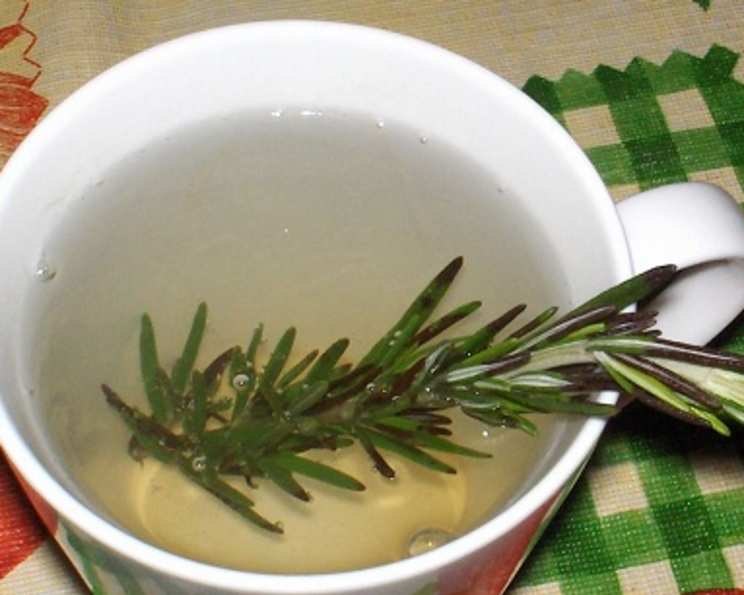
The Aromatic Embrace: Brewing the Perfect Cup of Rosemary Tea
There’s a specific scent that always transports me back to my grandmother’s sun-drenched kitchen – the potent, earthy perfume of rosemary. It wasn’t just the sprigs she’d tuck into roasted lamb or stud her focaccia with; it was the gentle simmer of water infused with its fragrant needles that truly captured its essence for me. As a child, I’d watch, mesmerized, as the pale green liquid bloomed in her teacup, a comforting ritual that signaled a moment of quiet repose in her bustling day. That simple act, the transforming of a humble herb into a soothing elixir, ignited a lifelong appreciation for the magic held within plants, and rosemary tea, in its pure, unadulterated form, remains a cherished memory and a perennial favorite in my own culinary repertoire.
Recipe Overview
- Prep Time: 2 minutes
- Cook Time: 5 minutes
- Total Time: 7 minutes
- Servings: 1
- Yield: 1 cup
- Dietary Type: Vegan, Gluten-Free, Dairy-Free, Caffeine-Free
Ingredients
To craft this wonderfully simple yet profoundly aromatic infusion, you’ll need just a few core components. The beauty of rosemary tea lies in its straightforwardness, allowing the herb’s natural character to shine.
- 1 teaspoon dried rosemary herbs (or 1 tablespoon fresh rosemary sprigs)
- 8 ounces boiling water
Ingredient Notes:
- Rosemary Herbs: For the best flavor, use high-quality dried rosemary or fresh, vibrant sprigs. If using fresh, gently bruise the needles to release their essential oils before steeping.
- Water: Ensure your water is at a rolling boil for optimal extraction of the rosemary’s flavor and beneficial compounds.
Equipment Needed
The tools required for this recipe are minimal, emphasizing the simplicity of the process.
- A heatproof mug or teapot
- A kettle or pot for boiling water
- A fine-mesh sieve or tea infuser (optional, if using loose herbs)
Instructions
Brewing rosemary tea is a remarkably straightforward process, designed to extract the herb’s full aromatic and therapeutic potential with minimal fuss. The key is allowing ample steeping time for the flavors to fully develop.
- Prepare the Rosemary: If you are using dried rosemary herbs, measure out 1 teaspoon and place it directly into your heatproof mug or teapot. If you are opting for fresh rosemary sprigs, measure out approximately 1 tablespoon of sprigs. Gently bruise the needles with the back of a spoon or between your fingers to help release their fragrant oils before adding them to your mug or teapot.
- Boil the Water: Bring 8 ounces of fresh, cold water to a rolling boil using a kettle or a pot on the stovetop.
- Steep the Tea: Carefully pour the boiling water over the rosemary herbs in your mug or teapot.
- Infuse: Cover the mug or teapot to retain heat and allow the rosemary to steep for at least 5 minutes. For a more robust and intensely flavored tea, you can steep it for longer, even up to 10 to 15 minutes, depending on the strength of the rosemary and your personal preference.
- Strain (if necessary): If you’ve used loose dried rosemary or fresh sprigs without an infuser, strain the tea through a fine-mesh sieve into another mug to remove the herb particles. If you used a tea infuser, simply remove it.
- Serve: Your aromatic rosemary tea is now ready to be enjoyed.
Pro-Tip for Flavor Intensity:
The longer you steep the rosemary, the more potent the flavor and aroma will become. Don’t be afraid to experiment with steeping times to discover your ideal strength.
Expert Tips & Tricks
While rosemary tea is inherently simple, a few seasoned insights can elevate your brewing experience.
- Fresh vs. Dried: While dried rosemary is readily available and convenient, using fresh rosemary sprigs will often yield a brighter, more vibrant flavor profile. If using fresh, opt for organic and recently harvested sprigs for the best aroma.
- Bruising the Herbs: For both fresh and dried rosemary, a gentle bruising of the needles before steeping significantly aids in the release of their volatile oils, leading to a more aromatic and flavorful brew. You can achieve this by lightly crushing them with the back of a spoon or by gently rolling them between your fingertips.
- Water Quality Matters: Just as with coffee or fine teas, the quality of your water can impact the final taste. Using filtered water will result in a cleaner, purer flavor, free from any off-notes that tap water might impart.
- Adjusting Strength: The recipe calls for a 5-minute steep, but this is a guideline. If you find your tea too weak, steep for longer. If it’s too strong, reduce the steeping time on your next brew. Remember that the strength of rosemary can vary, so personal preference is key.
- Beyond the Basics: Rosemary’s robust flavor pairs beautifully with other complementary herbs. Consider adding a sprig of lavender for a calming blend, or a few leaves of thyme for an earthy, herbaceous note.
Serving & Storage Suggestions
Rosemary tea is best enjoyed fresh and warm, savored for its comforting aroma and subtle, earthy taste.
- Serving: Serve your rosemary tea immediately after brewing, while it’s still warm. You can enjoy it plain, allowing the pure rosemary essence to shine. For a touch of sweetness, a drizzle of honey or a slice of lemon can be added, though many find its natural flavor perfectly balanced. Garnish with a fresh rosemary sprig for an extra aromatic flourish and visual appeal.
- Storage: Rosemary tea is not typically stored or reheated, as its delicate flavors and aromas are best when fresh. If you do happen to brew more than you can drink, you can refrigerate any leftover tea for up to 24 hours. However, be aware that the flavor may diminish and change over time. When reheating, gently warm it on the stovetop or in the microwave, avoiding boiling, which can further degrade the flavor.
Nutritional Information
Rosemary tea is celebrated more for its aromatic qualities and potential health benefits than for its nutritional content. As a simple infusion of water and herb, it is remarkably low in calories and macronutrients.
| Nutrient | Amount per Serving | % Daily Value |
|---|---|---|
| Calories | 0 kcal | 0% |
| Total Fat | 0 g | 0% |
| Saturated Fat | 0 g | 0% |
| Cholesterol | 0 mg | 0% |
| Sodium | 0.9 mg | 0% |
| Total Carbohydrate | 0 g | 0% |
| Dietary Fiber | 0 g | 0% |
| Sugars | 0 g | 0% |
| Protein | 0 g | 0% |
(Nutritional information is an estimation and can vary based on the specific herb used and brewing time.)
Variations & Substitutions
While the classic rosemary tea is a delight on its own, its versatility allows for numerous creative interpretations.
- Herbal Blends: As mentioned in the instructions, rosemary pairs wonderfully with other herbs. Experiment with adding a few sprigs of lavender for a calming bedtime tea, or a touch of mint for a refreshing lift. A combination of rosemary and thyme offers a deeply savory and earthy brew, perfect for cooler weather.
- Citrus Zest: For a brighter, more invigorating cup, add a thin strip of lemon or orange zest to the hot water along with the rosemary. Be sure to avoid the bitter white pith.
- Spiced Rosemary: A hint of ginger or a single star anise pod can add a subtle warmth and complexity to your rosemary tea, especially during the autumn and winter months.
- Sweeteners: While plain is often best, a touch of natural sweetener can be lovely. Honey, particularly local varieties, complements rosemary’s herbal notes. A small amount of maple syrup or agave nectar also works well.
FAQs (Frequently Asked Questions)
Q: How long should I steep rosemary tea for the best flavor?
A: For a balanced flavor, steep for 5 minutes. If you prefer a stronger taste, you can steep for up to 10-15 minutes, but be mindful of potential bitterness.
Q: Can I use fresh rosemary instead of dried?
A: Absolutely! Fresh rosemary will yield a more vibrant flavor. Use about 1 tablespoon of fresh sprigs per cup of water and bruise them slightly before steeping.
Q: Is rosemary tea caffeinated?
A: No, rosemary tea is naturally caffeine-free, making it a perfect choice for any time of day or evening.
Q: What are the main benefits of drinking rosemary tea?
A: Rosemary tea is known for its antioxidant properties, and is believed to support circulation, digestion, and memory, while also having anti-inflammatory effects.
Q: Can I add other ingredients to my rosemary tea?
A: Yes, you can enhance your rosemary tea with additions like honey, lemon slices, ginger, or other complementary herbs such as lavender or thyme for added flavor and benefits.
Final Thoughts
The simple act of brewing a cup of rosemary tea is a small ritual that can offer immense comfort and well-being. It’s a testament to the power of nature’s pantry, transforming humble herb into a fragrant elixir that soothes the senses and invigorates the spirit. Whether you seek a moment of calm introspection, a gentle digestive aid, or simply a delicious and aromatic beverage, this recipe for rosemary tea is your invitation to connect with the profound simplicity and enduring goodness of the plant kingdom. I encourage you to try it, to breathe in its invigorating aroma, and to discover the quiet magic it brings to your day. Perhaps you’ll even find, as I have, that a warm cup of rosemary tea pairs beautifully with a quiet afternoon and a good book.