
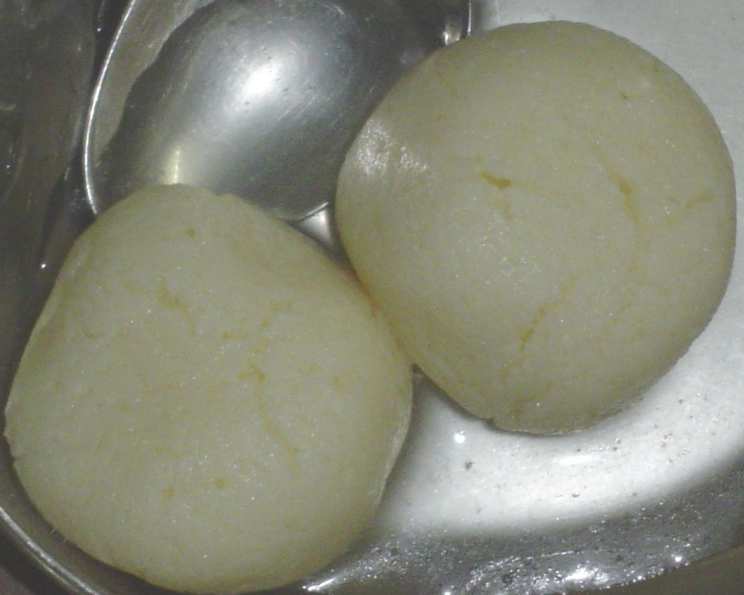
Rasgulla: A Symphony of Sweetness and Sponginess
The mere mention of Rasgulla transports me back to childhood summers spent in my grandmother’s bustling kitchen. The air, thick with the aroma of ghee and cardamom, would be punctuated by the rhythmic thud of her kneading the chenna. She’d explain, with twinkling eyes, that perfect rasgulla was born from patience and a gentle touch. The moment she’d ladle out those pristine white spheres, bobbing in their sugary embrace, was pure magic. Each bite, a burst of subtle sweetness followed by that incredibly soft, almost ethereal sponginess, was a lesson in culinary artistry. It wasn’t just a dessert; it was a cherished tradition, a taste of home that continues to comfort and delight.
Recipe Overview
- Prep Time: 15 minutes
- Cook Time: 30 minutes
- Total Time: 45 minutes
- Servings: 4
- Yield: Approximately 12-15 Rasgullas
- Dietary Type: Vegetarian, Gluten-Free
Ingredients
To craft these delightful Bengali sweet dumplings, you’ll need a few simple, yet crucial, components:
- 500 grams Cottage Cheese (Chenna): The heart of our rasgulla. Ensure it’s fresh and well-drained.
- 1 teaspoon Plain Flour (Maida): This acts as a binder, helping the chenna hold its shape.
- 1 teaspoon Cardamom Powder: For that quintessential aromatic warmth.
- 250 ml Water: To form the sugar syrup.
- 250 grams Sugar: To sweeten the syrup and infuse the rasgullas.
- 1 teaspoon Rose Water: A delicate floral note to finish.
Equipment Needed
While rasgulla is wonderfully simple, having the right tools will ensure a smoother process:
- A large mixing bowl
- A heavy-bottomed pot or saucepan
- A slotted spoon or ladle
- A plate or tray for shaping the balls
Instructions
The journey to perfect rasgulla is a dance of careful preparation and patient cooking. Follow these steps meticulously, and you’ll be rewarded with a dessert that’s truly divine.
-
Prepare the Chenna Dough: In a large mixing bowl, combine the 1 teaspoon of plain flour, 1 teaspoon of cardamom powder, and 500 grams of cottage cheese (chenna). Begin to knead this mixture gently. The goal is to achieve a smooth, pliable dough. Avoid over-kneading, as this can toughen the final texture of the rasgullas. You’re looking for a consistency where the dough is no longer sticky and can be easily shaped. This process typically takes about 5-7 minutes of gentle kneading.
-
Shape the Rasgullas: Once you have a smooth dough, divide it into equal parts. The size of each part will determine the final size of your rasgullas. Roll each portion between your palms to form smooth, round balls. Ensure there are no cracks on the surface, as this can cause them to break apart during cooking. Aim for uniform size for even cooking.
-
Prepare the Sugar Syrup: In a heavy-bottomed pot or saucepan, combine 250 ml of water and 250 grams of sugar. Place the pot over medium heat and boil the mixture, stirring occasionally until the sugar has completely dissolved. You are aiming for a thin syrup, not a thick, sticky one. The syrup should be clear and liquidy.
-
Cook the Rasgullas: Carefully drop the prepared rasgullas (the balls you shaped) into the boiling syrup. Ensure they have enough space to expand. Once you’ve added all the balls, cover the pot with a lid. Let them boil in the syrup for 10 minutes.
-
The Gentle Sprinkle Technique: During the 10 minutes of boiling, it’s crucial to maintain the integrity of the syrup and encourage the rasgullas to puff up. Every 2 minutes, sprinkle a little water on the boiling syrup. This helps keep the syrup thin and prevents it from thickening too much, which is vital for the rasgullas to absorb the syrup and become spongy.
-
Cooling and Infusing: After the 10 minutes of cooking, remove the pot from the heat. Allow the rasgullas to cool completely in the syrup. This cooling period is as important as the cooking; it allows the rasgullas to absorb the sweet syrup and achieve their characteristic soft, spongy texture.
-
Final Flourish: Once the rasgullas have cooled, gently stir in 1 teaspoon of rose water into the syrup. This adds a beautiful, subtle floral aroma that complements the sweetness.
-
Chill and Serve: For the best experience, store the rasgullas refrigerated. They must be served chilled.
Expert Tips & Tricks
- The Perfect Chenna: For the best rasgullas, use homemade chenna. To make it, heat milk until it’s just about to boil, then add lemon juice or vinegar (about 2-3 tablespoons per litre of milk) until the milk curdles. Strain the curds through a fine-mesh sieve lined with cheesecloth and let it drain completely for at least 30 minutes to remove excess water. This well-drained chenna is crucial for a good dough.
- Gentle Kneading is Key: Over-kneading the chenna mixture will develop gluten, making the rasgullas tough and rubbery. Aim for a light, quick knead until just combined and smooth.
- No Cracks Allowed: Ensure your rasgulla balls are perfectly smooth. Even the slightest crack can cause them to disintegrate in the hot syrup.
- Syrup Consistency: The syrup must be thin and boiling throughout the cooking process. If it becomes too thick, the rasgullas won’t expand. The gentle sprinkling of water is your secret weapon here.
- Don’t Crowd the Pot: Cook rasgullas in batches if your pot is not large enough. Overcrowding will lower the syrup temperature and prevent proper cooking and expansion.
Serving & Storage Suggestions
Rasgulla is best served chilled, allowing its delicate sweetness and soft texture to shine. Garnish with a sprinkle of chopped pistachios or slivered almonds for a touch of elegance and texture, or a few strands of saffron for added color and aroma.
Leftover rasgullas can be stored in an airtight container in the refrigerator. They will stay fresh for up to 3-4 days. The syrup is an integral part of the dessert, so ensure the rasgullas are always submerged in it.
Nutritional Information
Here’s an estimated nutritional breakdown per serving of Rasgulla:
| Nutrient | Amount per Serving | % Daily Value |
|---|---|---|
| Calories | 391.3 kcal | |
| Calories from Fat | ||
| Total Fat | 6.4 g | 9% |
| Saturated Fat | 4 g | 20% |
| Cholesterol | 21.2 mg | 7% |
| Sodium | 573.4 mg | 23% |
| Total Carbohydrate | 67.1 g | 22% |
| Dietary Fiber | 0.2 g | 0% |
| Sugars | 62.9 g | 251% |
| Protein | 17.8 g | 35% |
Note: Nutritional values are estimates and can vary based on specific ingredients and portion sizes.
Variations & Substitutions
While the classic rasgulla is a masterpiece in its own right, you can explore a few delightful variations:
- Saffron Rasgulla: Steep a few strands of saffron in warm milk and add this infused milk to the chenna mixture for a beautiful golden hue and subtle saffron flavor.
- Kesar Pista Rasgulla: Garnish with finely chopped pistachios (pista) and saffron (kesar) for an elevated presentation and taste.
- Jaggery Rasgulla: For a healthier, less refined sugar option, you can try making the syrup with jaggery instead of white sugar. Adjust the quantity as jaggery can be sweeter and have a more intense flavor. Be mindful that jaggery syrup may result in a slightly darker hue.
- Coconut Milk Rasgulla: While not traditional, for a dairy-free adaptation, you can experiment with using coconut milk to make the chenna. This will significantly alter the flavor and texture, but it’s an interesting avenue for those with dietary restrictions.
FAQs (Frequently Asked Questions)
Q: Why are my rasgullas hard or dense?
A: This is usually due to over-kneading the chenna, which makes the dough tough, or the syrup being too thick, preventing them from expanding. Ensure you knead gently and maintain a thin, boiling syrup.
Q: My rasgullas broke apart in the syrup. What went wrong?
A: This can happen if the chenna balls weren’t smooth, had cracks, or if the syrup wasn’t boiling vigorously enough when they were added. Make sure the balls are perfectly round and free of imperfections.
Q: Can I use store-bought paneer for rasgulla?
A: While possible, homemade chenna yields the best results. Store-bought paneer can sometimes be too moist or have a different texture, making it harder to achieve the perfect rasgulla. If using store-bought, ensure it’s well-drained and firm.
Q: How can I tell if the rasgullas are cooked through?
A: Cooked rasgullas will float on the surface of the syrup and will have doubled in size. They should also feel light and spongy when gently pressed.
Q: Can I make the syrup thicker for a more concentrated flavor?
A: No, it’s crucial for the syrup to remain thin throughout the cooking process. A thick syrup will prevent the rasgullas from expanding and becoming spongy. The sweetness is absorbed as they cool.
Final Thoughts
Rasgulla is more than just a dessert; it’s an experience. It’s the joy of creation, the satisfaction of a perfectly executed dish, and the pleasure of sharing a piece of tradition. Whether you’re a seasoned cook or embarking on your culinary adventures, this recipe offers a delightful journey into the heart of Indian sweets. Serve it after a rich meal, or simply enjoy it as a sweet indulgence, perhaps paired with a cool glass of lassi or a cup of fragrant chai. I encourage you to try this recipe, to feel the dough between your fingers, and to witness the magic of these humble ingredients transforming into something truly extraordinary. Share your creations, and may your rasgullas be as soft and sweet as the memories they evoke.