
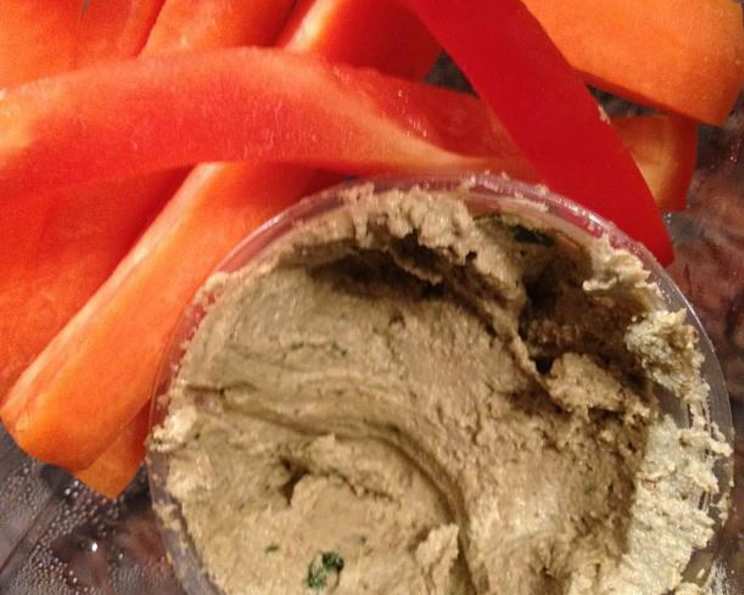
The Velvety Embrace: Crafting a Delectable Raw Walnut Pâté
There are certain flavors that transport you instantly, a culinary whisper from a cherished memory. For me, this raw walnut pâté is one of those experiences. I first encountered it at a cozy little café tucked away in the rolling hills of Provence, served on a rustic wooden board with a medley of artisanal crackers. The sun-drenched terrace, the scent of lavender in the air, and the surprisingly rich, earthy flavor of this simple spread created a moment of pure gastronomic bliss. It was a revelation – proof that humble ingredients, treated with a little care, can yield something truly extraordinary. I recall the initial skepticism, then the sheer delight as the creamy texture and deep, nutty notes unfolded on my palate. It’s a dish that feels both wholesome and luxurious, a testament to the power of plant-based simplicity.
Recipe Snapshot
- Prep Time: 10 minutes (plus soaking time)
- Cook Time: 0 minutes
- Total Time: 6-8 hours (soaking) + 10 minutes
- Servings: 6-8
- Yield: Approximately 1.5 cups
- Dietary Type: Vegan, Gluten-Free, Dairy-Free, Raw
The Heart of the Matter: Ingredients
The beauty of this pâté lies in its minimalist approach. Each ingredient plays a crucial role, harmonizing to create a complex and satisfying flavor profile.
- 1 cup raw walnuts
- 1 tablespoon minced onion (about 1/4 of a small onion)
- 1 tablespoon minced fresh parsley
- 1 tablespoon fresh lemon juice (from about 1/2 to 1 lemon, depending on size and juiciness)
- 1 teaspoon extra virgin olive oil
- 1 teaspoon tamari (a gluten-free soy sauce alternative, for depth of flavor)
- 1/8 teaspoon minced garlic (a small clove, finely minced)
- Salt, to taste
Essential Tools
While this pâté is wonderfully straightforward, a few key tools will ensure its success.
- Food processor (or a high-powered blender)
- Rubber spatula
- Small bowl (for soaking walnuts)
- Serving dish
The Art of Creation: Instructions
Crafting this raw walnut pâté is less about cooking and more about skillful transformation. The primary step is allowing the walnuts to soften and plump, creating a luscious base for the pâté.
-
Soak the Walnuts: Begin by placing the 1 cup of raw walnuts into a small bowl. Cover them generously with water. Let them soak for 6 to 8 hours, or even overnight. This crucial step not only softens the walnuts for easier processing but also helps to reduce their natural bitterness and improve digestibility. Once soaked, drain the walnuts thoroughly and discard the soaking water.
-
Combine and Process: Transfer the drained walnuts to the bowl of your food processor. Add the 1 tablespoon of minced onion, 1 tablespoon of minced fresh parsley, 1 tablespoon of fresh lemon juice, 1 teaspoon of extra virgin olive oil, 1 teaspoon of tamari, and 1/8 teaspoon of minced garlic.
-
Achieve the Pâté Consistency: Begin processing the ingredients. It’s important to stop the food processor occasionally to scrape down the sides of the bowl with a rubber spatula. This ensures that all the ingredients are incorporated evenly and that you achieve a smooth, creamy paste. Continue processing until the mixture resembles a thick, spreadable pâté. The texture should be smooth but can still have a slight pleasant graininess from the walnuts.
-
Season to Perfection: Once you’ve reached your desired consistency, season with salt to taste. Start with a small pinch and add more gradually, tasting as you go, until the flavors are balanced and bright. The salt will amplify the nutty notes of the walnuts and the tang of the lemon juice.
-
Serve and Enjoy: Transfer the raw walnut pâté to a serving dish. This pâté is best served at room temperature to allow its full flavor to develop. It’s wonderful served with a selection of your favorite crackers (I personally love a good seeded or sesame cracker for added texture and flavor), crudités, or even as a spread on sandwiches.
Chef’s Secrets: Expert Tips & Tricks
To elevate your raw walnut pâté from simply good to utterly unforgettable, consider these professional insights:
- Walnut Quality Matters: Always use fresh, raw walnuts. Older or roasted walnuts can impart a different, less desirable flavor profile to a raw preparation. Look for walnuts that are plump and have a clean, nutty aroma.
- Soaking is Non-Negotiable: Don’t skimp on the soaking time! This step is essential for achieving the correct texture and for making the pâté easily digestible. If you’re pressed for time, a quick soak in very hot water for about 30 minutes can work in a pinch, but the full soak yields the best results.
- Fresh Herbs are Key: While dried herbs can be used, the vibrant flavor of fresh parsley makes a significant difference. Finely mince it to ensure it disperses evenly throughout the pâté.
- Balance is Everything: The lemon juice is crucial for cutting through the richness of the walnuts and adding brightness. Taste and adjust the amount to your preference. If your lemon is less juicy, you might need a touch more.
- Garlic Nuance: For a milder garlic flavor, you can mince the garlic very finely and let it sit in the lemon juice for a few minutes before adding it to the food processor. This mellows its pungency.
- Texture Control: For a super-smooth pâté, process for a longer time. If you prefer a bit more texture, stop processing a little earlier.
A Feast for the Senses: Serving & Storage Suggestions
This raw walnut pâté is a versatile star, perfect for appetizers, light lunches, or even as a flavorful component on a charcuterie board.
- Presentation: Serve the pâté in a small, attractive bowl or spread it directly onto a slate or wooden board. Garnish with a sprinkle of fresh parsley, a drizzle of olive oil, or a few whole walnuts for visual appeal. Pair it with an assortment of crackers, toasted baguette slices, fresh vegetable sticks (like carrots, celery, and bell peppers), or even some gluten-free bread. It also pairs wonderfully with olives and cornichons.
- Storage: If you find yourself with leftovers (which is unlikely!), store the pâté in a sealed container in the refrigerator. It will keep well for up to 5 days. The flavors tend to meld and deepen over time, making it even more delicious on the second or third day.
Nutritional Highlights
While individual nutritional values can vary based on exact ingredient amounts and brands used, this raw walnut pâté is packed with beneficial nutrients.
| Nutrient | Amount per Serving (approx.) | % Daily Value (approx.) |
|---|---|---|
| Calories | 150-200 kcal | 8-10% |
| Total Fat | 14-18 g | 18-23% |
| Saturated Fat | 1-2 g | 5-10% |
| Cholesterol | 0 mg | 0% |
| Sodium | 100-200 mg | 4-9% |
| Total Carbohydrate | 5-7 g | 2% |
| Dietary Fiber | 2-3 g | 8-12% |
| Sugars | 1-2 g | 1-2% |
| Protein | 4-6 g | 8-12% |
Note: This nutritional information is an estimation and will vary based on exact ingredient measurements and brands used.
A World of Possibilities: Variations & Substitutions
While the classic recipe is a triumph, feel free to experiment and make this pâté your own:
- Herbal Infusions: Swap the parsley for other fresh herbs like chives, dill, or cilantro for a different flavor profile. A touch of fresh thyme or rosemary can also add a wonderful aromatic complexity.
- Spicy Kick: For those who enjoy a little heat, add a pinch of red pepper flakes or a small piece of fresh chili pepper (seeds removed for milder heat) to the food processor.
- Nutty Companions: While walnuts are the star, you could experiment with a blend of walnuts and cashews for a creamier texture, or pecans for a richer, sweeter note. Ensure all nuts are raw.
- Umami Boost: A small amount of nutritional yeast can add a cheesy, savory depth to the pâté, especially if you’re aiming for a more cheese-like flavor.
- Onion Alternatives: If you find raw onion too pungent, try using finely minced shallots for a milder, sweeter onion flavor.
Your Culinary Questions Answered: FAQs
Q: Why do I need to soak the walnuts?
A: Soaking the walnuts softens them, making them easier to process into a smooth paste, and also aids in their digestion.
Q: Can I use a high-powered blender instead of a food processor?
A: Yes, a high-powered blender can be used. You may need to add a tiny bit more liquid (like lemon juice or water) and scrape down the sides more frequently to achieve the desired consistency.
Q: How long can I store this pâté?
A: This raw walnut pâté can be stored in an airtight container in the refrigerator for up to 5 days.
Q: Can I make this pâté ahead of time?
A: Absolutely! The flavors develop beautifully overnight, so it’s a perfect make-ahead appetizer.
Q: What’s the best way to serve this pâté?
A: It’s incredibly versatile! Serve it with crackers, vegetable sticks, on toast, or as a spread in sandwiches and wraps.
A Taste of Pure Goodness
This raw walnut pâté is more than just a recipe; it’s an invitation to savor the simple elegance of whole foods. It’s a dish that nourishes the body and delights the senses, proving that incredible flavor doesn’t require heat or complex techniques. I encourage you to try it, to experience the satisfying richness and the bright, fresh notes that make it so special. Share it with loved ones, pair it with a crisp white wine or a refreshing herbal tea, and let the velvety embrace of this delightful pâté bring a touch of wholesome indulgence to your table. I’d love to hear your thoughts and any creative variations you discover!