
Creole Remoulade: A Tangy Embrace for Seafood and More
There are certain flavors that transport me instantly. For me, it’s the sharp, complex tang of a well-made remoulade. I remember the first time I truly understood remoulade. It was at a bustling seafood shack on the Gulf Coast, the air thick with the scent of brine and fried oysters. The dish arrived, simple but elegant: a mound of plump, perfectly fried shrimp, accompanied by a vibrant, orangey-pink sauce. That first dip was a revelation – a symphony of creamy, tangy, spicy, and herbaceous notes that cut through the richness of the shrimp and made me reach for another bite, and then another. It was more than just a sauce; it was an experience, a perfect counterpoint that elevated the entire dish. This Creole-style remoulade, a nod to the legendary Emeril Lagasse’s masterful touch, is that memory bottled, ready to bring a taste of the bayou to your table.
Recipe Overview
- Prep Time: 15 minutes
- Cook Time: 0 minutes (No cooking required for the sauce itself, but refrigeration is key)
- Total Time: 1 hour 15 minutes (includes chilling time)
- Servings: Approximately 6-8 as a condiment
- Yield: About 2 cups
- Dietary Type: Dairy-Free, Gluten-Free
Ingredients
This vibrant sauce comes together with a handful of readily available ingredients, each playing a crucial role in its signature flavor profile.
- 3⁄4 cup vegetable oil
- 1⁄2 cup green onion, finely chopped (ensure you include both the green and white parts for full flavor)
- 1⁄2 cup yellow onion, finely chopped
- 1⁄4 cup lemon juice, freshly squeezed (this is non-negotiable for brightness!)
- 1⁄2 cup celery, finely chopped
- 3 tablespoons mustard (seek out Creole mustard if possible, or a good quality whole grain mustard)
- 3 tablespoons ketchup
- 4 tablespoons fresh flat-leaf parsley, chopped
- 2 tablespoons garlic, minced or finely chopped
- 2 tablespoons prepared horseradish
- 1 teaspoon kosher salt
- 1⁄4 to 1⁄2 teaspoon cayenne pepper (adjust this based on your desired heat level – start with less if you’re unsure!)
- 1⁄4 teaspoon freshly ground black pepper
Equipment Needed
The beauty of this remoulade lies in its simplicity, requiring minimal fuss and equipment.
- Blender or food processor
- Airtight container for storage
Instructions
Crafting this exceptional remoulade is a testament to how easily extraordinary flavor can be achieved with minimal effort. The process relies on the power of a blender to emulsify and combine, creating a luxuriously smooth sauce.
- Begin by gathering all your prepped ingredients. Ensure your vegetable oil, green onion, yellow onion, lemon juice, celery, mustard, ketchup, parsley, garlic, prepared horseradish, kosher salt, cayenne pepper, and black pepper are all measured out and ready to go.
- Carefully place all of the prepared ingredients into the bowl of your blender or food processor. It’s important to add them all at once to achieve the proper emulsification.
- Secure the lid on your blender or food processor.
- Process the mixture until it is completely smooth. This should take approximately 30 seconds. You’re looking for a uniform consistency with no discernible chunks.
- Once smooth, spoon the remoulade sauce into an airtight container.
- Refrigerate the sauce for at least 1 hour before serving. This chilling period is crucial for the flavors to meld and deepen, and for the sauce to thicken slightly. The sauce will keep in the refrigerator for up to 1 week.
Expert Tips & Tricks
To truly elevate your remoulade experience, consider these professional insights:
- Ingredient Quality Matters: While this recipe is forgiving, using the freshest ingredients will yield the best results. Freshly squeezed lemon juice offers a brighter, cleaner acidity than bottled. Freshly chopped parsley provides a more vibrant herbaceous note than dried.
- The Power of the Blend: Don’t over-process. While you want it smooth, excessive blending can sometimes lead to a slightly “gummy” texture. Aim for that perfect 30-second window.
- The Chill is Crucial: Resist the urge to dig in immediately. The minimum one-hour chill time is where the magic happens. The flavors develop and meld, transforming from a collection of ingredients into a harmonious, complex sauce. If you have the patience, chilling it for a few hours or even overnight will yield an even more profound depth of flavor.
- Heat Control: The cayenne pepper is your primary tool for heat. Start with the lower end of the range (1/4 teaspoon) and taste. You can always add a tiny bit more at the end if you desire more kick, but it’s hard to take it away!
- Texture Play: If you prefer a slightly chunkier remoulade, you can pulse the ingredients a few times less in the blender, or even finely mince some of the aromatics by hand and fold them in after blending the liquid ingredients.
Serving & Storage Suggestions
This versatile Creole Remoulade is a champion condiment, ready to shine in countless applications.
Serving Suggestions:
- Seafood Staple: It’s the quintessential pairing for fried shrimp, oysters, crab cakes, and fish fillets. Dollop generously alongside your favorite fried seafood.
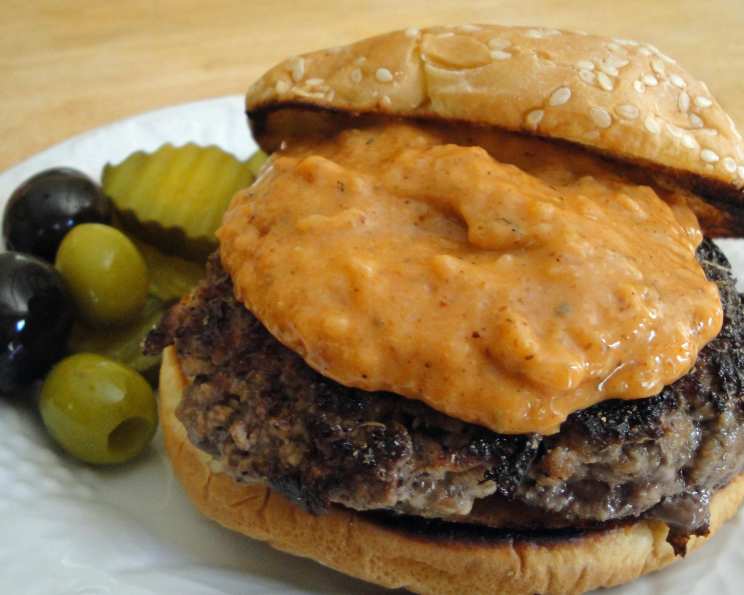
- Sandwich Sensation: Smear it on po’boys, burgers, or any sandwich where a creamy, tangy kick is desired. It’s especially good with grilled or fried chicken sandwiches.
- Dip Delight: Use it as a luscious dip for crudités, fries, onion rings, or even artichokes.
- Salad Enhancer: Thin it out slightly with a touch more lemon juice or a drizzle of oil, and use it as a unique dressing for potato salad, coleslaw, or even a simple green salad.
- Eggs Elevated: A small dollop on deviled eggs or alongside a breakfast scramble can be a delightful surprise.
Storage:
- Refrigeration: Store the remoulade in an airtight container in the refrigerator.
- Shelf Life: It will keep well for up to 1 week. Always check for any signs of spoilage before using.
- Room Temperature: It is best to serve this sauce chilled and avoid leaving it at room temperature for extended periods, especially if it contains fresh ingredients.
Nutritional Information
While a true Creole Remoulade is more about flavor than strict calorie counting, here’s an estimated breakdown. Please note that actual values may vary based on specific ingredient brands and precise measurements.
| Nutrient | Amount per Serving (approx. 2 tbsp) | % Daily Value (approx.) |
|---|---|---|
| Calories | 150-180 kcal | 8-9% |
| Total Fat | 15-18 g | 19-23% |
| Saturated Fat | 1-2 g | 5-10% |
| Cholesterol | 0 mg | 0% |
| Sodium | 200-300 mg | 9-13% |
| Total Carbohydrate | 2-4 g | 1-1.5% |
| Dietary Fiber | 0-0.5 g | 0-2% |
| Sugars | 1-2 g | 2-4% |
| Protein | 0.5-1 g | 1-2% |
Variations & Substitutions
While the classic Creole Remoulade is hard to beat, feel free to explore these variations:
- Spicy Kick: For an extra layer of heat, consider adding a small dash of hot sauce (like Tabasco or Crystal) to the blender.
- Herbal Infusion: While parsley is traditional, a small amount of finely chopped dill or chives can add a different herbaceous dimension.
- Tangier Twist: If you prefer a sharper tang, increase the lemon juice slightly or add a teaspoon of white wine vinegar.
- Creamier Texture: For a richer, more mayonnaise-like base (though this moves away from the purist Creole style), you could experiment with incorporating a tablespoon or two of good quality mayonnaise into the blend, reducing the vegetable oil accordingly.
- Smoky Undertones: A pinch of smoked paprika can introduce a subtle smoky complexity.
FAQs (Frequently Asked Questions)
Q: What makes this sauce “Creole Style”?
A: The term “Creole Style” often refers to the rich culinary traditions of New Orleans and Louisiana. This remoulade’s characteristic blend of tangy, spicy, and herbaceous notes, often featuring ingredients like mustard, horseradish, and fresh herbs, is a hallmark of this regional cuisine.
Q: Can I make this remoulade without a blender or food processor?
A: While a blender or food processor is ideal for achieving the smooth, emulsified texture, you could attempt to make it by very finely mincing all the ingredients by hand and then vigorously whisking them together. You might not achieve the same level of creaminess, but the flavor will still be excellent.
Q: How can I make this sauce spicier?
A: The cayenne pepper is your primary tool. You can also add a few dashes of your favorite hot sauce to the blender, or even a finely minced fresh chili pepper (like a jalapeño or serrano, with seeds removed for less heat).
Q: My remoulade seems a bit thin. What can I do?
A: The chilling process is key to thickening. Ensure you’ve refrigerated it for the full hour. If it’s still too thin after chilling, you can very gradually blend in a tiny bit more vegetable oil, a teaspoon at a time, until it reaches your desired consistency. Be cautious not to add too much, as it can make the sauce greasy.
Q: Can I use dried herbs instead of fresh parsley?
A: While fresh parsley is highly recommended for its bright flavor, if you must substitute, use about 1 tablespoon of dried parsley. Add it with the other ingredients to the blender. However, be aware that dried herbs will impart a different flavor profile than fresh.
Final Thoughts
This Creole Remoulade is more than just a condiment; it’s an invitation to a culinary adventure. It’s a testament to the power of simple ingredients coming together to create something truly extraordinary. Don’t be afraid to experiment with its applications – let your imagination run wild! Serve it alongside your favorite seafood feast, elevate your everyday sandwiches, or impress your guests with a unique dip. The bright, zesty, and subtly spicy notes will undoubtedly leave a lasting impression. I encourage you to whip up a batch, taste the vibrant complexity, and discover your own favorite ways to enjoy this Louisiana classic.