Rhubarb Vodka: A Fiery Infusion for the Discerning Palate
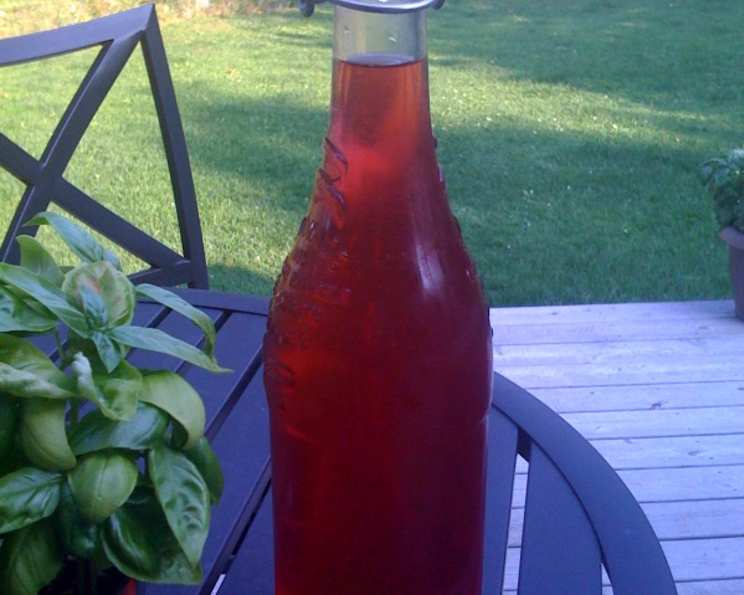
The first time I encountered homemade rhubarb vodka, it was a revelation. I’d always been a fan of rhubarb in its traditional roles – tarts, crumbles, and jams – but the idea of infusing its tart, vibrant character into spirits seemed almost radical. My friend, a seasoned distiller of sorts (mostly in his kitchen, it must be said), presented a deep crimson liquid in a delicate glass. The initial sip was like a burst of tart summer garden, followed by the smooth, warming embrace of good quality vodka. It possessed a complexity, a certain je ne sais quoi, that simply couldn’t be replicated by store-bought infusions. This wasn’t just flavoured vodka; it was rhubarb elevated, its essence captured and amplified.
Recipe Overview
- Prep Time: 15 minutes
- Cook Time: 0 minutes (infusion time)
- Total Time: At least 2 months
- Servings: Variable (depending on consumption)
- Yield: 1 liter
- Dietary Type: Vegan
Ingredients
- 600 g chopped fresh rhubarb
- 300 g caster sugar
- 1 liter vodka
Equipment Needed
- Two large jars or containers (at least 2 liters capacity each) with secure lids
- A sieve or cheesecloth for straining
- A clean 1-liter bottle for storing the finished vodka
Instructions
Creating your own rhubarb vodka is a wonderfully simple process, requiring more patience than active preparation. The magic happens in the stillness, as the rhubarb and sugar work their alchemy within the spirit.
- Prepare the Rhubarb and Sugar: Begin by ensuring your fresh rhubarb is thoroughly washed and then chopped into manageable pieces, roughly 1-2 cm in length. There’s no need for extreme precision here; the goal is to increase the surface area for maximum flavour extraction.
- Combine in Jars: Divide the chopped fresh rhubarb and the caster sugar equally between the two large jars. Aim for an even distribution of both components in each container.
- Secure and Shake: Once the rhubarb and sugar are in their respective jars, secure the lids firmly in place. Now, give each jar a vigorous shake. This initial shaking helps to start the process of dissolving the sugar and coating the rhubarb pieces, encouraging the release of their vibrant juices and flavours.
- Add the Vodka: Carefully pour half of the vodka into each jar, ensuring that the rhubarb and sugar are fully submerged.
- Seal and Store: Replace the lids again, ensuring they are once more secured firmly. The next crucial step is to store the jars in a cool, dark place. This could be a pantry, a cupboard, or even a cool basement. Avoid direct sunlight, as it can affect the quality of the infusion.
- The Waiting Game: Infusion Period: Allow the jars to sit undisturbed for at least 2 months. This extended period is essential for the vodka to properly extract the complex flavours and the beautiful colour from the rhubarb.
- Regular Agitation: During this infusion period, it’s important to give the jars a shake 2-3 times a week. This regular agitation helps to ensure that the flavours continue to meld and develop evenly throughout the vodka. You’ll notice the liquid gradually taking on a deep, rich hue and a wonderfully tart aroma.
- Straining the Infusion: After the 2 months have passed and you are satisfied with the depth of colour and flavour, it’s time to strain your creation. Carefully strain the vodka into a 1-liter bottle. You can use a fine-mesh sieve lined with cheesecloth for the best results, ensuring no solids make their way into your final spirit. Double-straining might be necessary for ultimate clarity.
Expert Tips & Tricks
The beauty of rhubarb vodka lies in its simplicity, but a few nuances can elevate your homemade spirit even further.
- Rhubarb Quality is Key: For the best flavour, use fresh, vibrant rhubarb. Avoid stalks that are too woody or have started to soften. The brighter the colour of your rhubarb, the more intense the final hue of your vodka will be.
- Vodka Choice Matters: While you don’t need to break the bank, a decent quality, neutral-tasting vodka will allow the rhubarb’s flavour to shine through. Avoid heavily flavoured or spiced vodkas, as they will compete with the delicate notes of the fruit.
- Sweetness Adjustment: The recipe calls for 300g of caster sugar, which provides a balanced sweetness to counter the rhubarb’s natural tartness. However, taste is subjective. If you prefer a drier spirit, you can slightly reduce the sugar. Conversely, if you have a sweeter tooth, a little extra sugar could be dissolved separately and added after straining.
- Patience is a Virtue: While the recipe specifies a minimum of 2 months, some might find the flavour even more developed and nuanced after 3 or even 4 months of infusion. The longer it steeps, the deeper and more complex the flavour profile becomes.
- Jar Sterilization: To ensure the longest possible shelf life and to prevent any unwanted bacterial growth, it’s a good practice to sterilize your jars before use. You can do this by washing them thoroughly in hot, soapy water and then either drying them in a low oven (around 100°C/200°F) for 10-15 minutes or by immersing them in boiling water for a few minutes.
Serving & Storage Suggestions
Rhubarb vodka is wonderfully versatile, lending itself to a variety of creative applications.
Serving:
- Chilled and Neat: The most straightforward way to enjoy your rhubarb vodka is well-chilled, served neat in a small sipping glass. This allows you to fully appreciate its complex flavour profile.
- In Cocktails: It’s a fantastic base for numerous cocktails. Try it in a Rhubarb Martini (with a splash of dry vermouth and a twist of lemon), a Rhubarb Gin Fizz (top up with soda water and a squeeze of lime), or a simple Rhubarb Vodka Soda.
- With Prosecco or Champagne: A small measure of rhubarb vodka added to a glass of sparkling wine provides an elegant and festive twist, perfect for celebrations.
- As a Culinary Ingredient: Don’t limit yourself to drinks! A little rhubarb vodka can add a sophisticated depth to certain dessert sauces or glazes.
Storage:
- Room Temperature: Once strained and bottled, rhubarb vodka is stable and can be stored at room temperature for an extended period, provided it is kept in a cool, dark place away from direct sunlight. The alcohol content acts as a preservative.
- Refrigeration: While not strictly necessary for preservation, chilling the vodka before serving is highly recommended to enhance its flavour and create a more refreshing drinking experience.
- Shelf Life: Homemade rhubarb vodka, properly stored, can last for several years. The flavour may continue to develop and mellow over time.
Nutritional Information
As this is a spirit infused with fruit and sugar, the nutritional information can vary based on the exact sugar content and the brand of vodka used. The figures below are approximate for the finished 1-liter yield.
| Nutrient | Amount per Serving (approx. 30ml / 1oz) | % Daily Value (approx.) |
|---|---|---|
| Calories | 70-80 kcal | 3-4% |
| Total Fat | 0 g | 0% |
| Saturated Fat | 0 g | 0% |
| Cholesterol | 0 mg | 0% |
| Sodium | < 1 mg | 0% |
| Total Carbohydrate | 3-4 g | 1% |
| Dietary Fiber | 0 g | 0% |
| Sugars | 3-4 g | 6-8% |
| Protein | 0 g | 0% |
Note: The carbohydrate and sugar content comes primarily from the caster sugar used during the infusion process. The percentages are based on a standard 2000-calorie diet.
Variations & Substitutions
While the classic rhubarb vodka is exceptional on its own, feel free to experiment!
- Spiced Rhubarb Vodka: Add a cinnamon stick, a few star anise, or a couple of cloves to the jars along with the rhubarb and sugar for a warming, spiced variation.
- Rhubarb and Ginger Vodka: Incorporate a few slices of fresh ginger along with the rhubarb for a zesty kick.
- Less Sweet Version: If you prefer a drier spirit, reduce the amount of caster sugar. You can always add a touch of simple syrup to cocktails if you desire more sweetness.
- Different Spirits: While the recipe specifies vodka for its neutrality, you could experiment with infusing gin for a botanically complex rhubarb gin, or even white rum for a tropical twist.
FAQs
Q: How do I know when my rhubarb vodka is ready?
A: The vodka should have taken on a deep pink or crimson hue, and the aroma should be distinctly of rhubarb. Tasting a small amount after the 2-month mark is the best way to judge if the flavour has developed to your liking.
Q: Can I use frozen rhubarb?
A: Yes, you can use frozen rhubarb, but ensure it is fully thawed and drained of excess liquid before adding it to the jars.
Q: What should I do with the leftover rhubarb solids after straining?
A: The infused rhubarb will be soft and have imparted most of its flavour. While it’s not ideal for eating raw, you could potentially use it in baking (like a compote for a cake or crumble topping) if you’re not concerned about a slightly boozy flavour.
Q: How long will the strained rhubarb vodka last?
A: Properly stored in a cool, dark place, it can last for several years due to the alcohol content.
Q: What kind of vodka is best for this recipe?
A: A good quality, neutral-tasting vodka is recommended. This allows the delicate flavour of the rhubarb to be the star.
Final Thoughts
Crafting your own rhubarb vodka is a rewarding journey, transforming humble garden produce into a sophisticated spirit. It’s a testament to the power of simple ingredients and patient alchemy. Whether you enjoy it neat, as the star of a celebratory cocktail, or as a secret ingredient in your culinary adventures, this homemade rhubarb vodka is sure to impress. I encourage you to try this recipe, savour the process, and discover the vibrant, unique character that only homemade infusions can provide. Share your creations and the delightful moments they bring!