
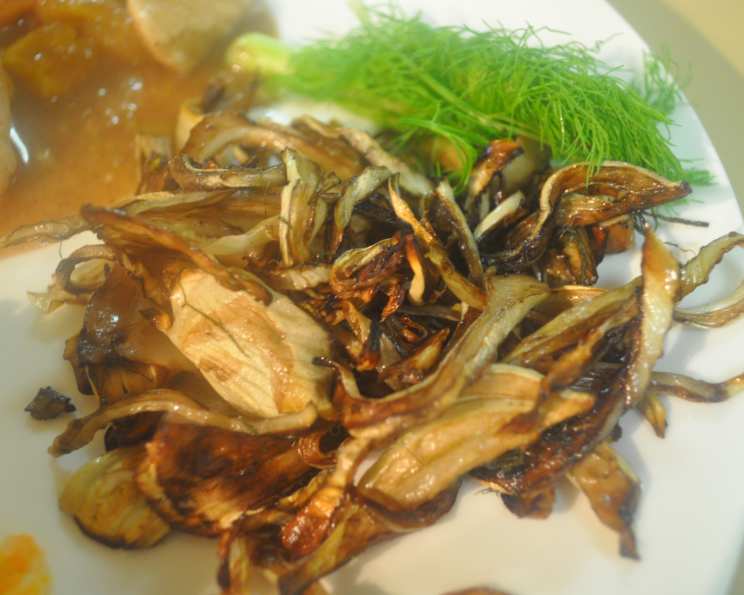
The Humble Elegance of Roasted Fennel
I remember the first time I truly understood fennel. It wasn’t in a bustling trattoria or a Michelin-starred kitchen, but in my grandmother’s sun-drenched garden, the air thick with the scent of herbs and damp earth. She’d pulled a bulb from the ground, its feathery fronds still clinging, and with a flourish, handed me a wedge. The raw crunch was sharp, anise-scented, and invigorating. Later that evening, she transformed it, roasting thin slices until they were meltingly tender, their inherent sweetness amplified, their edges kissed with a gentle caramelization. That simple act, transforming a humble vegetable into something so profoundly flavorful, imprinted itself on my culinary soul, a testament to the magic that happens when heat meets simple ingredients.
Recipe Overview
- Prep Time: 15 minutes
- Cook Time: 20-25 minutes
- Total Time: 35-40 minutes
- Servings: 6-8
- Yield: A generous side dish
- Dietary Type: Vegan, Gluten-Free, Dairy-Free
Ingredients
The beauty of roasted fennel lies in its elegant simplicity, requiring only a handful of pantry staples to coax out its inherent magic.
- 3 fennel bulbs, trimmed of their tough stalks, reserving some of the delicate, feathery leaves for garnish.
- 1 tablespoon olive oil
- 3 tablespoons balsamic vinegar
- 1 teaspoon sugar
- ½ teaspoon coarse salt
- ½ teaspoon fresh ground black pepper
Equipment Needed
For this straightforward preparation, you won’t need an elaborate setup.
- Oven
- Baking dish (a 9×13 inch or similar sized dish works well)
- Sharp knife
- Cutting board
- Mixing bowl
Instructions
The transformation of raw fennel into a delectable side dish is remarkably swift, a perfect testament to its culinary versatility.
- Preheat your oven to a welcoming 400°F (200°C). This moderate-high heat is crucial for achieving that desirable tender texture and subtle caramelization.
- Prepare the fennel bulbs. Begin by trimming off the tough, fibrous stalks. Don’t discard these entirely; the reserved feathery leaves will add a beautiful, fresh garnish later. Next, slice the fennel bulbs thinly. Aim for slices about ¼ inch thick. The goal is to have pieces that will cook through evenly in the allotted time.
- In a mixing bowl, toss the sliced fennel with the olive oil, balsamic vinegar, and sugar. Ensure each slice is evenly coated in this flavorful mixture. This bath of liquids and sweetener will help tenderize the fennel and encourage it to caramelize beautifully as it roasts.
- Pour the fennel mixture into your baking dish. It’s important to arrange it in a single layer. Overcrowding the dish will cause the fennel to steam rather than roast, which is not the texture we’re aiming for. If your dish isn’t quite large enough to accommodate everything in a single layer, consider using a slightly larger dish or two smaller ones.
- Sprinkle the fennel evenly with the coarse salt and fresh ground black pepper. The salt will draw out moisture and enhance the flavors, while the pepper will add a gentle warmth. Finally, scatter some of the reserved feathery leaves over the top. These will wilt slightly in the oven, releasing their subtle anise aroma.
- Roast the fennel in the preheated oven at 400°F (200°C) for approximately 20-25 minutes. You’ll know it’s ready when the fennel is tender and the edges are starting to caramelize. You can test for tenderness by gently piercing a slice with a fork; it should yield easily. Keep an eye on it during the last few minutes of cooking, as oven temperatures can vary, and you want that beautiful caramelization without any burning.
Expert Tips & Tricks
Elevating this simple dish is all about understanding a few key nuances.
- Uniform Slicing is Key: The most critical step for even cooking is ensuring your fennel slices are as uniform in thickness as possible. A mandoline can be a game-changer here for perfect, consistent slices, but a sharp knife wielded with care will do the job beautifully.
- Don’t Overcrowd: I cannot stress this enough – a single layer is paramount. If your fennel is piled up, it will steam, leading to a soft, watery texture. If you have a lot of fennel, use a larger baking dish or two.
- Embrace the Caramelization: That slight browning on the edges is where the magic happens. It signifies the development of deeper, sweeter flavors. Keep an eye on it, but don’t be afraid to let it get a little golden.
- Feathery Fronds are Flavor: Those reserved feathery leaves aren’t just for show. They contribute a subtle, fresh anise note to the finished dish. Toasting them slightly in the oven intensifies their aroma.
- Balsamic Quality Matters: While this recipe uses a modest amount of balsamic vinegar, using a good quality, slightly aged balsamic can elevate the flavor profile significantly. You can even finish with a drizzle of a more syrupy balsamic glaze just before serving.
Serving & Storage Suggestions
Roasted fennel is incredibly versatile and can be served warm or at room temperature. It makes a delightful accompaniment to a wide array of main courses, from grilled fish and roasted chicken to pork tenderloin or even a hearty lentil stew for a plant-based pairing. The sweet, slightly licorice notes of the fennel beautifully cut through the richness of meats and balance out the earthiness of vegetables.
Leftovers can be stored in an airtight container in the refrigerator for up to 3 days. Reheat gently in a low oven or in a skillet over medium-low heat, being careful not to overcook it. While delicious at room temperature, it’s best enjoyed within a day or two of preparation for optimal texture.
Nutritional Information
(Estimated values per serving, based on 8 servings)
| Nutrient | Amount per Serving | % Daily Value |
|---|---|---|
| Calories | 59.3 kcal | – |
| Calories from Fat | 22 kcal | – |
| Total Fat | 2.5 g | 3% |
| Saturated Fat | 0.3 g | 1% |
| Cholesterol | 0 mg | 0% |
| Sodium | 254.8 mg | 10% |
| Total Carbohydrate | 9.3 g | 3% |
| Dietary Fiber | 3.7 g | 14% |
| Sugars | 0.7 g | 2% |
| Protein | 1.5 g | 2% |
Variations & Substitutions
While the classic roasted fennel is hard to beat, a few creative twists can add another dimension to this simple dish.
- Add Garlic: Toss a few thinly sliced cloves of garlic with the fennel and vegetables before roasting. They will become wonderfully sweet and soft.
- Citrus Zest: A little lemon or orange zest added in the last 5 minutes of roasting can provide a bright, aromatic lift.
- Herbal Infusion: Experiment with other herbs. Thyme or rosemary sprigs tucked amongst the fennel during roasting can impart their own subtle fragrances.
- A Pinch of Spice: For those who enjoy a gentle warmth, a tiny pinch of red pepper flakes tossed with the fennel can add a pleasant kick.
- Other Root Vegetables: Consider adding thinly sliced parsnips or carrots to the baking dish for a heartier medley of roasted root vegetables. Ensure they are sliced to a similar thickness for even cooking.
FAQs
Q: How do I select the best fennel bulbs at the market?
A: Look for firm, plump bulbs with vibrant green, unwilted fronds. Any brown spots or soft areas on the bulb are signs to avoid.
Q: Can I roast fennel without sugar?
A: Yes, you can omit the sugar. The natural sweetness of the fennel will still develop during roasting, though the caramelization might be slightly less pronounced.
Q: What is the best way to trim fennel bulbs?
A: First, slice off the tough stalks. Then, trim away the very bottom of the bulb. You can then cut the bulb in half or quarters and remove the tough inner core, if desired, before slicing.
Q: My fennel is still tough after 25 minutes. What should I do?
A: Oven temperatures can vary. If your fennel is not tender, simply continue roasting, checking every 5 minutes, until it reaches your desired tenderness. You may need to adjust the heat slightly if it’s browning too quickly.
Q: Can I prepare this dish ahead of time?
A: You can trim and slice the fennel and prepare the dressing a day in advance. Store them separately in the refrigerator and toss and roast just before serving for the best texture.
A Taste of Simplicity
Roasted fennel is more than just a side dish; it’s a culinary embrace of nature’s subtle sweetness. It’s a reminder that with a little heat and a few thoughtful ingredients, we can transform the ordinary into the extraordinary. I encourage you to bring this simple elegance to your table, to witness the magic that unfolds in your oven, and to savor the delicate anise notes that linger. Share it with loved ones, pair it with your favorite protein, or enjoy it simply on its own. It’s a dish that speaks volumes with its quiet grace.