
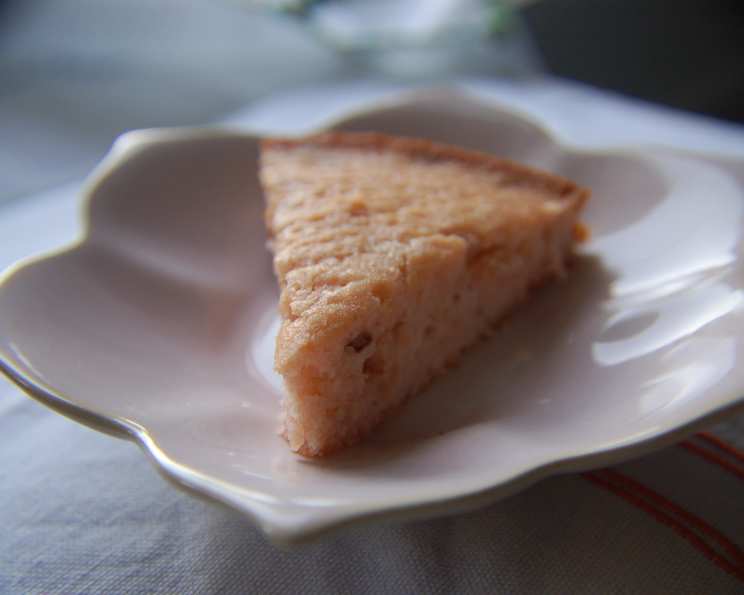
Rose Petal Tea Cake: A Fragrant Whisper of Elegance
The scent of roses has always conjured images of my grandmother’s garden, a riot of color and intoxicating perfume. It was a place where time seemed to slow, where the hum of bees was the loudest sound, and where small moments of pure joy were found in the simplest of things. One particular memory, a delicate afternoon tea with her, remains etched in my mind. She served a tiny, subtly pink cake, its crumb impossibly tender, infused with a floral whisper that was both unexpected and utterly captivating. It wasn’t just a cake; it was an experience, a fragrant narrative baked into every bite, a testament to the quiet luxury that can be found in nature’s gentle artistry.
Recipe Overview
- Prep Time: 20 minutes
- Cook Time: 30 minutes
- Total Time: 50 minutes
- Servings: 4
- Yield: 1 small cake
- Dietary Type: Not specified
Ingredients
- 1/4 lb butter, softened, or 1/4 lb margarine
- 2/3 cup sugar
- 1 cup all-purpose flour
- 2 tablespoons dried rose petals, rinsed and thinly sliced
- 2 large eggs
- 1 tablespoon rose water
- 1 drop pink food coloring (optional, but recommended for visual appeal)
Equipment Needed
- Small rectangle cake mold
- Mixing bowls
- Whisk or electric mixer
- Spatula
- Cooling rack
- Oven
Instructions
Begin by preheating your oven to 350 degrees Fahrenheit (175 degrees Celsius). This ensures the oven is at the optimal temperature for even baking, crucial for a delicate tea cake.
Next, prepare your small rectangle cake mold. A light greasing will prevent the cake from sticking, allowing for a clean release after baking. You can use butter, baking spray, or line it with parchment paper if preferred.
In a mixing bowl, combine the softened butter (or margarine) and sugar. Using your hands or a mixer, cream them together until the mixture is light and fluffy. This process incorporates air, which contributes to the cake’s tender texture.
Gradually add the flour to the creamed butter and sugar mixture, little by little, mixing until just combined. Be careful not to overmix at this stage, as it can lead to a tougher cake.
Now, it’s time to infuse the cake with its signature aroma and color. Add the thinly sliced dried rose petals, the rose water, the pink food coloring (if using), and the eggs to the batter.
Blend everything together well until the mixture is completely smooth. Ensure that all ingredients are thoroughly incorporated, creating a uniform batter. The rose petals will soften and distribute their delicate flavor throughout the cake.
Pour the dough evenly into your prepared small rectangle cake mold. Smooth the top with a spatula.
Bake for approximately 30 minutes. You’ll know the cake is ready when the edges begin to turn golden brown and a tip of a knife inserted into the center comes out dry. Baking times can vary slightly depending on your oven, so keep a close eye on it.
Once baked, remove the cake from the oven and let it cool in the mold for a few minutes before carefully inverting it onto a cooling rack to cool completely.
Expert Tips & Tricks
The quality of your rose petals can significantly impact the flavor. Opt for culinary-grade dried rose petals that are specifically intended for consumption, free from pesticides or artificial scents. Rinsing them beforehand helps to remove any dust and allows them to soften slightly, integrating more seamlessly into the batter.
If you find your rose petals are too tough, a quick soak in a tablespoon of the measured rose water for a few minutes before adding them to the batter can help.
For a richer, more intense rose flavor, consider infusing your rose water. Gently warm a quarter cup of regular water (not rose water) and steep a few tablespoons of food-grade rose petals in it for about 15-20 minutes. Strain and let cool completely before using this infused water in place of some of the liquid in your recipe, or to make your own rose water.
The optional food coloring is a subtle touch, but it does enhance the “rose” theme visually. If you prefer a more natural approach, a tiny bit of beet juice can also impart a delicate pink hue, though it might subtly alter the flavor profile.
Serving & Storage Suggestions
This Rose Petal Tea Cake is best served at room temperature, allowing its delicate floral notes to fully bloom. It’s a perfect accompaniment to a cup of black tea, Earl Grey, or even a delicate herbal infusion. For a touch of elegance, a light dusting of powdered sugar or a few fresh rose petals on top makes for a beautiful presentation.
Leftovers can be stored in an airtight container at room temperature for up to two days. Beyond that, for longer storage, wrap the cake tightly in plastic wrap and then aluminum foil, and refrigerate for up to a week. To refresh, allow it to come to room temperature before serving. Freezing is also an option; wrap the cooled cake well and freeze for up to a month. Thaw in the refrigerator overnight before enjoying.
Nutritional Information
| Nutrient | Amount per Serving | % Daily Value |
|---|---|---|
| Calories | 483 kcal | N/A |
| Calories from Fat | 232 kcal | N/A |
| Total Fat | 25.8 g | 39% |
| Saturated Fat | 15.4 g | 77% |
| Cholesterol | 166.8 mg | 55% |
| Sodium | 199.1 mg | 8% |
| Total Carbohydrate | 57.4 g | 19% |
| Dietary Fiber | 0.8 g | 3% |
| Sugars | 33.6 g | 134% |
| Protein | 6.6 g | 13% |
Note: Nutritional values are approximate and can vary based on specific ingredients used.
Variations & Substitutions
For those who prefer a less sweet cake, you can reduce the amount of sugar in the cake batter to 1/2 cup. In this case, you might consider making a simple pink icing to accompany it, flavored with a touch more rose water for an amplified floral presence.
If you’re looking for a natural coloring alternative to food dye, a small amount of beet juice can be used. Start with a quarter teaspoon and add more until you achieve your desired hue. Be aware that this might impart a very subtle earthy note to the cake.
While this recipe is designed for a small, rich cake, it can be a foundation for larger endeavors. However, the proportions are specifically balanced for the yield, so significant scaling would require recalculation.
FAQs
Q: Can I use fresh rose petals instead of dried ones?
A: While fresh petals can be beautiful, they contain more moisture and can affect the cake’s texture. If you do use fresh, ensure they are from an unsprayed, culinary-grade source and use them sparingly, as their flavor can be more potent.
Q: How can I make sure my rose petals are edible?
A: Always use culinary-grade dried rose petals specifically sold for baking and consumption. Avoid using decorative roses or those from florists, as they are often treated with chemicals.
Q: My cake seems a bit dry, what went wrong?
A: Overmixing the batter after adding the flour can lead to a dry cake. Also, ensure your oven temperature is accurate and that you’re not overbaking. The “knife comes out dry” test is a good indicator, but don’t let it go much beyond that point.
Q: Can I omit the rose water if I don’t have it?
A: Rose water is integral to the flavor profile of this cake. If you absolutely cannot find it, you could try a very small amount of orange blossom water as an alternative, but the flavor will be different.
Q: What is the best way to store this cake for a picnic?
A: For transport, ensure the cake is completely cooled. Wrap it tightly in plastic wrap and place it in a sturdy container to prevent it from being crushed. It’s best enjoyed within a day or two of baking.
Final Thoughts
This Rose Petal Tea Cake is more than just a confection; it’s an invitation to slow down, to savor the delicate dance of fragrance and flavor. It’s a reminder that elegance can be found in simplicity, and that the most memorable culinary experiences often stem from the most humble ingredients. I encourage you to bake this little gem, to let its subtle perfume fill your kitchen, and to share it with loved ones over a cup of tea. Perhaps it will inspire your own fragrant memories, a testament to the enduring magic of a rose-kissed treat.