
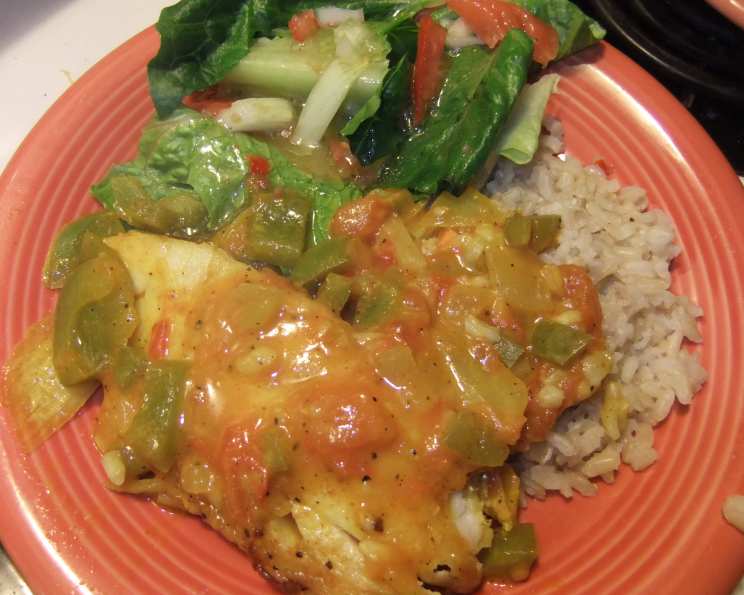
A Taste of the Swahili Coast: My Journey with Coconut Milk Fish Curry
There’s a particular scent that, for me, instantly transports me back to sun-drenched afternoons on the Kenyan coast. It’s the intoxicating aroma of fish swimming in a rich, fragrant coconut milk broth, a symphony of spices mingling with the sweetness of ripe tomatoes and the subtle tang of tamarind. I remember the first time I experienced this dish, prepared by a local fisherman’s wife in a small village near Mombasa. The simplicity of the ingredients belied the explosion of flavor that unfolded with each bite. It wasn’t just a meal; it was an invitation into a culture, a story told through food, and a memory I’ve cherished and recreated countless times since. This Swahili recipe, with its roots deeply embedded in Kenyan tradition, is more than just a dish; it’s a vibrant culinary postcard.
Recipe Overview
- Prep Time: 20 minutes
- Cook Time: 30 minutes
- Total Time: 50 minutes
- Servings: 4-6
- Yield: 1 pot
- Dietary Type: Gluten-Free, Dairy-Free
Ingredients
This Swahili fish curry celebrates the bounty of the coast with a few key, high-quality ingredients. The freshness of the fish is paramount, and the creaminess of coconut milk forms the luxurious base.
- 3 pounds fish fillets (such as snapper, cod, or tilapia), cut into serving pieces
- 3 tablespoons oil (vegetable, canola, or coconut oil work well)
- 6 garlic cloves, minced
- 1 bell pepper (any color), chopped into small pieces
- 1 large onion, chopped into small pieces
- 1 ½ cups coconut milk (full-fat is recommended for richness)
- 3 ripe tomatoes, chopped into small pieces
- 2 tablespoons tamarind paste (or 2 tablespoons lemon juice for a brighter, less complex tang)
- 3 teaspoons garam masala (or 3 teaspoons curry powder for a more accessible spice blend)
- Salt, to taste
- Freshly ground black pepper, to taste
Equipment Needed
The beauty of this dish lies in its straightforward preparation. You’ll primarily need:
- A large, heavy-bottomed pot or Dutch oven
- A sharp knife and cutting board
- Measuring spoons and cups
- A serving spoon
Instructions
Crafting this coconut milk fish curry is an exercise in layering flavors and respecting the ingredients. The process is designed to coax out the best from each component, culminating in a harmonious and deeply satisfying dish.
-
Prepare the Fish: Begin by patting your fish fillets completely dry with paper towels. This is a crucial step that helps in achieving a good sear later. Cut the fish into generous, serving-sized pieces. Set these aside.
-
Mise en Place: Next, focus on preparing your aromatics and vegetables. Chop the onion, bell pepper, and tomatoes into small, uniform pieces. Mince the garlic cloves finely. Having everything prepped and ready will make the cooking process smooth and efficient.
-
Sear the Fish: Heat the oil in your large pot or Dutch oven over medium-high heat. Once the oil is shimmering, carefully add the fish fillets in a single layer, working in batches if necessary to avoid overcrowding the pot. Sear the fish for about 2-3 minutes per side, just until it begins to turn opaque. The goal here is to create a beautiful crust and lock in the moisture, not to cook the fish through. Once seared, remove the fish from the pot and place it on a separate plate.
-
Sauté Aromatics: Reduce the heat to low. Add the chopped onion and bell pepper to the same pot, using any residual oil and flavorful bits left from searing the fish. Sauté these vegetables, stirring occasionally, until the onion is semi-transparent, which should take about 5-7 minutes. This gentle cooking allows the onions to soften and sweeten.
-
Add Garlic and Tomatoes: Increase the heat slightly to medium-low. Add the minced garlic and sauté for just 2 minutes, stirring constantly, until fragrant. Be careful not to burn the garlic, as this can impart a bitter flavor. Now, add the chopped tomatoes to the pot. Bring the mixture to a gentle boil, allowing the tomatoes to break down slightly and release their juices, forming the base of the sauce.
-
Build the Curry Base: Stir in the coconut milk, tamarind paste (or lemon juice), and garam masala (or curry powder). Bring this mixture back to a boil, then immediately reduce the heat to low to maintain a gentle simmer. This is where the flavors begin to meld and deepen.
-
Season and Return Fish: Season the curry base with salt and freshly ground black pepper to taste. Carefully add the seared fish fillets back into the pot, nestling them into the sauce.
-
Simmer to Perfection: Cover the pot tightly. Let the curry simmer gently until the fish is cooked through. This typically takes up to 10 minutes, depending on the thickness of your fish pieces. You’ll know it’s ready when the fish flakes easily with a fork.
-
Serve: Ladle the fragrant fish in coconut milk curry over fluffy steamed rice, alongside tender boiled potatoes, warm chapatti, or broiled cassava for an authentic coastal experience.
Expert Tips & Tricks
- Fish Choice: While many firm white fish work beautifully, consider local varieties if available. The key is a fish that holds its shape well when cooked.
- Tamarind Intensity: Tamarind paste can vary in its tartness. Taste your curry base before adding the fish and adjust the amount of tamarind or lemon juice accordingly.
- Spice Level: For a spicier curry, you can add a finely chopped red chili pepper along with the bell pepper and onion.
- Coconut Milk Consistency: If your coconut milk has separated, whisk it well before adding it to the pot.
Serving & Storage Suggestions
This fish in coconut milk curry is best enjoyed fresh, when the fish is at its most succulent and the flavors are at their peak.
- Serving: Present this vibrant curry in a beautiful serving bowl, garnished with fresh cilantro or a sprinkle of toasted coconut flakes for an added textural and visual appeal.
- Storage: Leftovers can be stored in an airtight container in the refrigerator for up to 2 days. The flavors tend to deepen overnight.
- Reheating: Gently reheat the curry on the stovetop over low heat, adding a splash of water or coconut milk if it seems too thick. Avoid boiling, as this can overcook the fish.
Nutritional Information
(Please note: Nutritional information is an estimate and can vary based on specific ingredients and portion sizes.)
| Nutrient | Amount per Serving | % Daily Value |
|---|---|---|
| Calories | 663.4 kcal | – |
| Calories from Fat | 283 kcal | – |
| Total Fat | 31.5 g | 48% |
| Saturated Fat | 18 g | 89% |
| Cholesterol | 187 mg | 62% |
| Sodium | 284.6 mg | 11% |
| Total Carbohydrate | 13.8 g | 4% |
| Dietary Fiber | 2.4 g | 9% |
| Sugars | 6.5 g | 26% |
| Protein | 81.1 g | 162% |
Variations & Substitutions
- Vegetarian Adaptation: For a vegetarian version, substitute the fish with firm tofu, paneer, or a mix of vegetables like cauliflower florets and sweet potato chunks. Adjust cooking times accordingly.
- Spice Blend: If you don’t have garam masala, a good quality curry powder will work as a substitute, though the flavor profile will be slightly different.
- Tamarind Alternative: While tamarind paste offers a unique depth, if unavailable, the juice of 1-2 limes can be used for acidity.
FAQs
Q: What type of fish is best for this curry?
A: Firm white fish fillets like snapper, cod, sea bass, or tilapia are ideal as they hold their shape well during cooking.
Q: Can I use dried tomatoes instead of fresh ones?
A: While fresh tomatoes provide a lighter, brighter flavor, rehydrated dried tomatoes could be used in a pinch, but they will alter the texture and flavor profile.
Q: How can I make the curry spicier?
A: Add a finely chopped red chili or a pinch of cayenne pepper along with the other aromatics for extra heat.
Q: Is it essential to sear the fish before adding it to the curry?
A: Searing the fish adds a layer of flavor and texture and helps prevent it from breaking apart too much in the sauce. It’s highly recommended for the best results.
Q: Can I make this curry ahead of time?
A: While best enjoyed fresh, leftovers can be stored and gently reheated. The flavors will have melded further, which can be quite pleasant.
Final Thoughts
This Fish in Coconut Milk Curry is a testament to the magic that happens when simple, fresh ingredients are treated with respect and combined with thoughtful spice. It’s a dish that nourishes the body and soul, a comforting embrace of coastal flavors that I hope will transport you, just as it does me, to sunnier shores. Gather your ingredients, embrace the gentle simmer, and let the aromatic magic unfold. I’d love to hear about your own culinary adventures with this Swahili delight!