
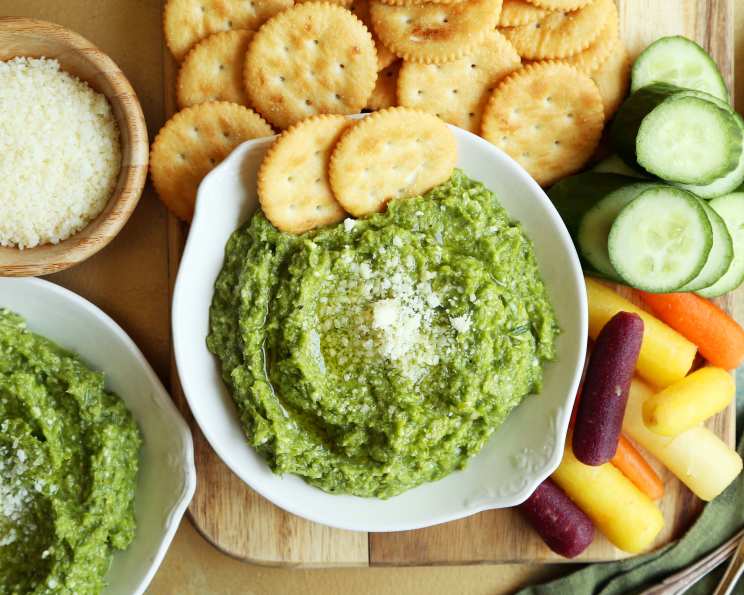
Raw Asparagus Pesto: A Verdant Burst of Freshness
There are certain ingredients that, when prepared just right, transport me back to sun-drenched afternoons and the simple joy of fresh produce. For me, asparagus is one of those ingredients. I recall a particular summer, perhaps ten years ago now, when I stumbled upon an article singing the praises of raw asparagus. It highlighted its incredible nutritional profile, particularly its rich folic acid content – a fact that truly impressed me. This led me down a rabbit hole of discovering how to best harness its vibrant, slightly grassy flavor without the softening effect of heat. That’s when I found this remarkable raw asparagus pesto recipe, a revelation that has since become a staple in my kitchen, a testament to how simple ingredients, treated with respect, can yield extraordinary results.
Recipe Overview
- Prep Time: 5 minutes
- Cook Time: 0 minutes
- Total Time: 5 minutes
- Servings: 8
- Yield: 1 1/4 cups
- Dietary Type: Vegetarian
Ingredients
Here’s what you’ll need to create this vibrant and nutrient-packed pesto:
- 1 1⁄4 cups diced fresh asparagus
- 3 garlic cloves
- 1⁄3 cup Parmesan cheese
- 1⁄2 cup extra virgin olive oil
Equipment Needed
To bring this raw pesto to life, you’ll find these tools indispensable:
- Food processor
Instructions
Crafting this raw asparagus pesto is wonderfully straightforward, requiring just a few simple steps:
- Begin by gathering all your ingredients. Ensure your fresh asparagus is thoroughly washed and the tough, woody ends have been trimmed off. Dice the remaining tender stalks into manageable pieces. Peel your garlic cloves.
- Place the diced fresh asparagus, garlic cloves, and Parmesan cheese into the bowl of your food processor.
- Pulse the ingredients a few times until they are roughly chopped and begin to combine.
- With the food processor running, slowly add the extra virgin olive oil in a steady stream. Continue to process until the mixture forms a smooth, pesto-like consistency. You may need to scrape down the sides of the bowl a few times to ensure everything is incorporated.
- Once the pesto has reached your desired consistency, transfer it to a serving bowl.
- Serve cold.
Expert Tips & Tricks
While this recipe is incredibly simple, a few nuances can elevate your raw asparagus pesto from good to truly exceptional.
- Asparagus Selection is Key: For raw applications, opt for young, tender asparagus spears. These will have a milder flavor and a more pleasant, less fibrous texture when processed. If your asparagus is a bit older or thicker, blanching it very briefly (about 30 seconds in boiling water, then immediately plunging into ice water) can soften it slightly and make it easier to process without compromising its vibrant color and raw integrity. However, for this specific recipe, the goal is raw, so avoid over-blanching.
- Garlic Intensity: The recipe calls for three garlic cloves, which will impart a noticeable but not overpowering garlicky punch. If you’re a serious garlic lover, feel free to add an extra clove, but remember that raw garlic can be quite potent. Conversely, if you prefer a milder garlic flavor, start with two cloves and taste as you process.
- Parmesan Quality Matters: Use good quality Parmesan cheese. A finely grated, aged Parmesan will contribute a depth of savory, nutty flavor that truly enhances the pesto. Pre-grated cheeses often contain anti-caking agents that can affect the texture.
- Olive Oil Emulsification: The slow addition of olive oil is crucial for creating a smooth, emulsified pesto. If you add it too quickly, the mixture may appear greasy rather than beautifully blended. Be patient with this step.
- Food Processor Blade Sharpness: A sharp blade in your food processor will ensure a cleaner chop and a smoother texture, preventing the asparagus from becoming overly stringy or bruised.
Serving & Storage Suggestions
This raw asparagus pesto is incredibly versatile. Its bright, fresh flavor makes it a perfect accompaniment to a variety of dishes.
Serve it as a dip with an array of crudités such as carrot sticks, cucumber slices, bell pepper strips, and endive leaves. It’s also a delightful spread for crostini, whole-grain crackers, or even as a flavorful layer in sandwiches and wraps. Toss it with al dente pasta for a quick and elegant meal, or dollop it onto grilled fish or chicken for a burst of herbaceousness.
Leftovers can be stored in an airtight container in the refrigerator for up to 3 days. Due to the raw nature of the asparagus and the olive oil, it’s best enjoyed fresh. While freezing is possible, the texture of the asparagus might change slightly upon thawing. If you do freeze it, ensure it’s in a freezer-safe container, and give it a good stir before serving after thawing.
Nutritional Information
| Nutrient | Amount per Serving (approximate) | % Daily Value (approximate) |
|---|---|---|
| Calories | 143.1 | 7% |
| Total Fat | 14.7 g | 19% |
| Saturated Fat | 2.6 g | 13% |
| Cholesterol | 3.7 mg | 1% |
| Sodium | 64.5 mg | 3% |
| Total Carbohydrate | 1.4 g | 1% |
| Dietary Fiber | 0.5 g | 2% |
| Sugars | 0.4 g | 1% |
| Protein | 2.1 g | 4% |
Note: Nutritional values are estimates and can vary based on specific ingredient brands and quantities used.
Variations & Substitutions
While the classic combination in this recipe is divine, feel free to experiment and make it your own!
- Nutty Twist: For added richness and a different textural dimension, consider adding a quarter cup of toasted pine nuts, walnuts, or almonds to the food processor along with the asparagus and garlic.
- Herbaceous Boost: Fresh herbs like basil, parsley, or mint pair beautifully with asparagus. Add a small handful to the food processor for an extra layer of flavor.
- Spicy Kick: If you enjoy a bit of heat, add a small piece of red chili pepper (seeds removed for less spice) to the food processor.
- Dairy-Free/Vegan Option: To make this recipe vegan and dairy-free, simply omit the Parmesan cheese. You can replace its savory depth with a tablespoon or two of nutritional yeast and perhaps a pinch of salt to enhance the flavors.
FAQs
Q: Can I use frozen asparagus for this recipe?
A: It is best to use fresh asparagus for this raw pesto. Frozen asparagus, when thawed, tends to be more watery and can affect the texture and flavor of the raw pesto.
Q: How do I get a smoother consistency if my food processor isn’t very powerful?
A: You can achieve a smoother consistency by processing the ingredients in smaller batches, or by adding the olive oil a little more gradually and scraping down the sides of the food processor bowl more frequently.
Q: Is this pesto safe to eat raw?
A: Yes, this pesto is designed to be eaten raw. The asparagus is young and tender, and the garlic is used in moderation.
Q: What if I don’t have a food processor?
A: While a food processor is ideal for achieving the desired consistency quickly and easily, you could theoretically chop the asparagus and garlic very finely by hand with a sharp knife and then whisk in the olive oil and Parmesan. The texture would be coarser, but still delicious.
Q: How long does the pesto last after it’s made?
A: This raw pesto is best enjoyed within 2 to 3 days when stored in an airtight container in the refrigerator. The fresh ingredients will begin to lose their vibrancy over time.
Final Thoughts
This raw asparagus pesto is a celebration of spring and early summer produce, a testament to the power of simplicity and freshness. It’s a dish that proves you don’t need heat to unlock incredible flavor and nutrition. I encourage you to try it, to experience that vibrant, clean taste for yourself. Whether you serve it as a sophisticated appetizer or a quick, healthy lunch component, I’m confident it will become a cherished recipe in your culinary repertoire. I’d love to hear how you enjoy it – perhaps tossed with lemon-zest infused spaghetti, or as a vibrant topping for a quinoa salad. Happy cooking, and even happier eating!