
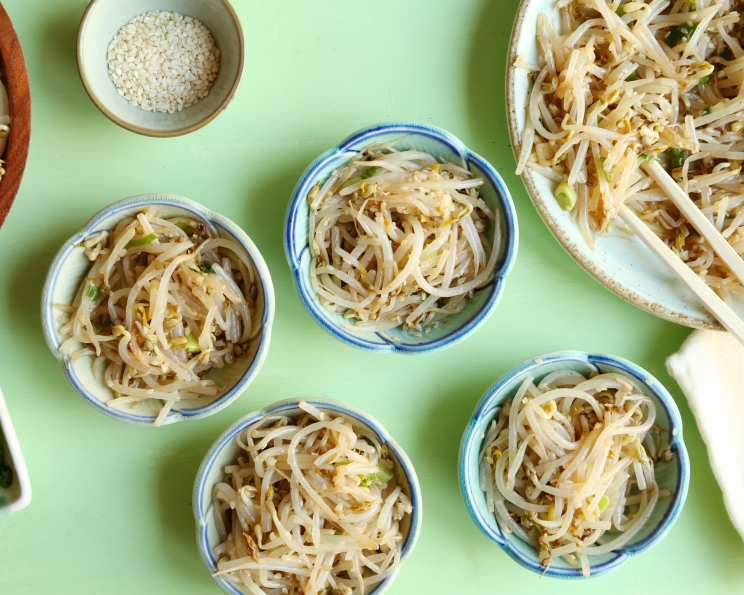
Kongnamul Muchim: A Symphony of Korean Bean Sprouts
There are certain dishes that, no matter how humble, transport you instantly. For me, it’s Kongnamul Muchim. I remember my grandmother meticulously tending to her small garden plot, and one of her most prized, yet seemingly simple, harvests were the crisp, white bean sprouts. She’d prepare this very dish, the aroma of toasted sesame oil and garlic wafting through her tiny kitchen, as a constant accompaniment to nearly every meal. It wasn’t just a side dish; it was a comforting embrace, a testament to the beauty of letting simple, fresh ingredients shine. The gentle crunch, the subtle sweetness, and that whisper of spice – it’s a taste that’s etched into my culinary memory, a foundational flavor of my childhood.
Recipe Overview
- Prep Time: 5 minutes
- Cook Time: 7 minutes
- Total Time: 12 minutes
- Servings: 2
- Yield: A generous portion for 2
- Dietary Type: Vegan, Gluten-Free (ensure soy sauce is tamari if strict GF)
Ingredients
This dish is a masterclass in simplicity, relying on the inherent freshness of its components. You’ll need:
- 1/2 lb bean sprouts (fresh and crisp are key!)
- 1 teaspoon salt (or to taste, for seasoning)
- 2 tablespoons sesame seeds, toasted (toasted is non-negotiable for that nutty depth)
- 1 teaspoon sesame oil (a good quality, fragrant oil makes all the difference)
- 1 teaspoon minced garlic (freshly minced offers the best punch)
- 1/4 cup finely chopped green onion (both white and green parts add flavor)
- 1 pinch cayenne pepper (optional, but highly recommended for a subtle warmth)
Equipment Needed
For this straightforward preparation, you’ll need just a few basic kitchen tools:
- A medium-sized pot for boiling
- A colander for draining
- A mixing bowl for combining the ingredients
- A spoon or spatula for stirring
Instructions
The beauty of Kongnamul Muchim lies in its speed and ease. Follow these steps for a perfectly seasoned and textured dish:
- Blanch the Bean Sprouts: Begin by dropping the bean sprouts into a pot of boiling water. Allow them to boil for exactly 5 minutes. This short blanching time is crucial for achieving a tender-crisp texture – overcooked sprouts become mushy, and undercooked ones retain a raw, sometimes slightly bitter, edge.
- Drain Thoroughly: Once the 5 minutes are up, immediately drain the bean sprouts well using a colander. Pressing gently can help remove excess water, which is important to prevent the seasoning from becoming diluted.
- Return to the Pan: Place the drained bean sprouts back into the empty pot (still warm from boiling, which is beneficial). This residual heat will help to further dry them and warm them slightly for seasoning.
- Season and Toss: Now, it’s time to add the flavor. Stir in the salt, toasted sesame seeds, sesame oil, minced garlic, the optional cayenne pepper, and the finely chopped green onion.
- Simmer Briefly: Simmer the mixture for just 2 minutes. This brief simmering period allows the flavors to meld beautifully and the garlic to soften slightly, infusing its aroma into the sprouts and sesame oil. Stir occasionally to ensure even distribution of the seasonings.
- Serve: Your Kongnamul Muchim is ready to be enjoyed. You can serve it hot or cold, depending on your preference and what it’s accompanying.
Expert Tips & Tricks
As a chef, I always look for ways to elevate even the simplest of dishes. Here are a few tips to make your Kongnamul Muchim truly outstanding:
- Choose the Freshest Sprouts: The quality of your bean sprouts will directly impact the final taste. Look for plump, firm sprouts with bright, unblemished stems and minimal rootlets.
- Don’t Overcrowd the Pot: When boiling the sprouts, ensure they have enough space to cook evenly. If your pot is too small, boil them in batches.
- Toast Your Own Sesame Seeds: While pre-toasted seeds are convenient, toasting them yourself in a dry skillet over medium heat until fragrant and slightly golden unlocks their full nutty potential. Be careful not to burn them!
- The “Dry Pan” Technique: After draining, returning the sprouts to the warm, dry pot helps evaporate any lingering moisture. This is a small but significant step that ensures your seasoning clings to the sprouts rather than pooling at the bottom.
- Adjusting Seasoning: Taste and adjust the salt as needed. The amount of salt can vary depending on the moisture content of your sprouts and your personal preference.
Serving & Storage Suggestions
Kongnamul Muchim is incredibly versatile. It shines as a vibrant side dish to almost any Korean meal, offering a refreshing contrast to richer flavors. Serve it alongside grilled meats like bulgogi, with spicy stews like kimchi jjigae, or as part of a larger banchan (side dish) spread. It’s also a fantastic addition to bibimbap, adding a delightful crunch and fresh flavor.
If you have leftovers, store them in an airtight container in the refrigerator. They will keep well for 2 to 3 days. While it’s best enjoyed fresh, the flavors will deepen slightly as it sits. To serve, you can enjoy it chilled straight from the fridge, or gently bring it back to room temperature. Reheating is generally not recommended as it can soften the texture.
Nutritional Information
Here’s an estimated breakdown of the nutritional value for Kongnamul Muchim:
| Nutrient | Amount per Serving | % Daily Value |
|---|---|---|
| Calories | 111.7 kcal | – |
| Calories from Fat | N/A | – |
| Total Fat | 7 g | 10% |
| Saturated Fat | 1 g | 5% |
| Cholesterol | 0 mg | 0% |
| Sodium | 1172.8 mg | 48% |
| Total Carbohydrate | 10.3 g | 3% |
| Dietary Fiber | 3.5 g | 13% |
| Sugars | 5 g | 20% |
| Protein | 5.4 g | 10% |
Note: Nutritional values are approximate and can vary based on ingredient brands and precise measurements.
Variations & Substitutions
While this recipe is beautifully complete as is, here are a few ideas for variations:
- Spicier Kick: If you love heat, increase the pinch of cayenne pepper or add a finely minced red chili pepper along with the garlic.
- Umami Boost: For an extra layer of savory depth, add a tiny splash of soy sauce (or tamari for gluten-free) along with the other seasonings.
- Garlic Lover’s Dream: Don’t shy away from adding an extra clove of minced garlic if you’re a big garlic fan.
- Herbaceous Notes: Consider adding a touch of finely chopped cilantro for a different aromatic profile.
FAQs
Q: How do I ensure my bean sprouts are crisp and not soggy?
A: The key is a quick 5-minute boil and thorough draining. Avoid overcooking, and make sure to press out any excess water.
Q: Can I use pre-cooked bean sprouts?
A: It’s best to start with raw sprouts to control the cooking time and texture. Pre-cooked sprouts may already be too soft.
Q: How much salt should I use?
A: Start with 1 teaspoon and taste. You can always add more, but you can’t take it away. The “to taste” is truly important here.
Q: What does “simmer 2 minutes” mean?
A: It means to cook the mixture gently over low heat, just below boiling point, for that duration to allow flavors to meld.
Q: Is this dish healthy?
A: Absolutely! Bean sprouts are low in calories and a good source of vitamins and fiber. The added sesame oil and seeds provide healthy fats.
Final Thoughts
Kongnamul Muchim is more than just a recipe; it’s a philosophy. It’s about respecting ingredients, understanding the power of simple seasonings, and finding joy in the everyday. It’s a dish that proves that the most memorable flavors often come from the most unassuming sources. I encourage you to try this quick, delightful preparation. It’s the perfect way to add a touch of Korean freshness and subtle spice to your table. Share it with loved ones, enjoy its satisfying crunch, and perhaps, like me, create new memories with every bite.