
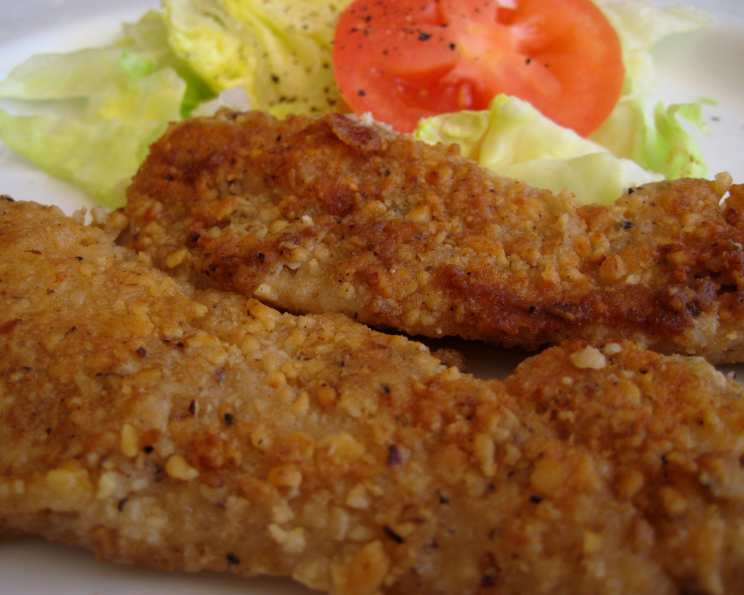
Walnut Crusted Trout Fillets: A Symphony of Textures and Flavors
I still vividly recall my first encounter with trout prepared this way. It was a crisp autumn evening at the Greunke’s First Street Inn, a place renowned for its ability to elevate simple ingredients into culinary art. The air was alive with the murmur of contented diners, and the aroma of toasted nuts and savory herbs was intoxicating. When the Walnut Crusted Trout Fillets arrived, glistening under the soft light, I was immediately captivated by the golden, textured crust. Each bite was a revelation – the delicate, flaky trout yielding to the satisfying crunch of the walnuts, a perfect counterpoint to the subtle earthiness of the sage. It’s a dish that speaks of comfort, elegance, and the pure joy of expertly prepared food.
Recipe Overview
Here are the essential details for this delightful dish:
- Prep Time: 15 minutes
- Cook Time: 10 minutes (approx. 5 minutes per side)
- Total Time: 25 minutes
- Servings: 4
- Yield: 4 trout fillets
- Dietary Type: Gluten-Free (if using gluten-free flour)
Ingredients
The beauty of this recipe lies in its straightforward yet impactful ingredient list, allowing the natural flavors of the trout and walnuts to shine.
- For the Walnut Crust:
- 1/2 cup all-purpose flour (or gluten-free flour blend for a GF option)
- 3 tablespoons dried rubbed sage
- 1 tablespoon salt
- 1 1/2 teaspoons ground black pepper
- 2 large eggs
- 2 cups finely chopped walnuts
- For the Trout:
- 4 trout fillets (about 6 ounces each, skin removed if preferred)
- 2 tablespoons butter
- 2 tablespoons olive oil
- For Serving:
- 1 lemon, quartered lengthwise
- chopped fresh parsley, for garnish
Equipment Needed
You won’t need a plethora of specialized tools for this recipe, just the essentials to get the job done beautifully.
- 2 Large Plates (for dredging stations)
- 1 Medium Bowl (for whisking eggs)
- 2 Heavy, Large Skillets (cast iron or stainless steel work wonderfully)
- Tongs
- Spatula
- Serving Plates
Instructions
Bringing these simple ingredients together into a masterful dish is a straightforward process that yields impressive results. Precision and a little patience are your best allies here.
- Prepare the Flour Mixture: On a large plate, combine the all-purpose flour, dried rubbed sage, salt, and ground black pepper. Use a fork to stir these dry ingredients together thoroughly, ensuring the sage and seasonings are evenly distributed throughout the flour. This forms the first layer of our flavorful coating.
- Prepare the Egg Wash: In a medium bowl, whisk the 2 large eggs until they are well combined and slightly frothy. This will act as the binder for our walnut crust.
- Prepare the Walnut Coating: Spread the 2 cups of finely chopped walnuts onto another large plate. Ensure they are spread out evenly, creating a generous surface area for coating the trout.
- Season the Trout: Pat the trout fillets dry with paper towels. This helps the coating adhere better. Sprinkle both sides of each fillet lightly with salt and ground black pepper.
- Dredge the Trout: Begin the coating process by taking one trout fillet and dredging it in the flour mixture. Ensure it is evenly coated on all sides. Gently shake off any excess flour.
- Dip in Eggs: Next, dip the floured trout fillet into the whisked eggs, allowing any excess to drip back into the bowl. The egg will help the walnuts adhere beautifully.
- Coat with Walnuts: Finally, press both sides of the egg-coated trout fillet firmly into the chopped walnuts. Make sure to press gently but firmly to ensure a good, even layer of nuts sticks to the fillet. Repeat this entire dredging and coating process for all four trout fillets.
- Melt the Fats: Place your 2 heavy large skillets over medium heat. Add 1 tablespoon of butter and 1 tablespoon of olive oil to each skillet. Allow the butter to melt and the oil to shimmer, indicating the pan is sufficiently heated. This combination of butter and oil provides a rich flavor and prevents the butter from burning too quickly.
- Cook the Trout: Carefully add 2 trout fillets to each hot skillet. Be mindful not to overcrowd the pans, as this can lead to steaming rather than searing.
- Achieve Golden Perfection: Cook the trout fillets for approximately 5 minutes per side, or until the walnut crust is lightly browned and the trout is cooked through. The exact cooking time may vary slightly depending on the thickness of your fillets and the heat of your stove. You can gently flake the thickest part of the fillet with a fork to check for doneness; it should be opaque and flake easily.
- Serve Immediately: Once cooked to perfection, carefully transfer the walnut crusted trout fillets to individual plates using a spatula or tongs.
- Garnish and Enjoy: Squeeze 1 lemon wedge over each fillet. The bright citrus cuts through the richness of the walnuts and fish. Sprinkle generously with chopped fresh parsley for a pop of color and fresh, herbaceous flavor. Serve immediately and savor this exquisite dish.
Expert Tips & Tricks
Elevating this dish from good to truly exceptional often comes down to a few insider secrets.
- Walnut Prep is Key: For the most uniform crust, use a food processor to finely chop your walnuts, but be careful not to turn them into a paste. Pulsing is your friend here. If you don’t have a food processor, a sharp knife and a steady hand will work just as well. Ensure the walnut pieces are relatively uniform in size for even cooking.
- Dry Fish, Better Crust: Always pat your fish fillets thoroughly dry with paper towels before dredging. Moisture is the enemy of a crispy coating.
- Don’t Rush the Skillet: Ensure your skillets are properly preheated. A hot pan is crucial for achieving that beautiful, golden-brown crust without the fish sticking or the coating becoming soggy. The combination of butter and olive oil creates a perfect medium for frying, providing flavor and a higher smoke point than butter alone.
- Resting is Optional (but good): If you have a moment, you can let the coated fillets rest for a minute or two before hitting the pan. This allows the coating to set slightly, which can lead to an even more robust crust.
- Temperature Control: Medium heat is your sweet spot. If the heat is too high, the walnuts will burn before the trout is cooked. If it’s too low, the trout will overcook and become dry, and the crust won’t achieve its desired crispness. Keep an eye on the color of the crust and adjust heat as needed.
Serving & Storage Suggestions
This Walnut Crusted Trout Fillet is a star on its own, but it pairs wonderfully with a variety of accompaniments.
Serve your beautifully crusted trout immediately after cooking to enjoy its optimal texture. A simple lemon wedge is traditional and essential for its bright, palate-cleansing acidity. For a more substantial meal, consider serving it alongside steamed asparagus, a light quinoa salad, or creamy mashed potatoes. A crisp white wine, such as a Sauvignon Blanc or a light Pinot Grigio, makes for an excellent beverage pairing.
Leftovers, if any, should be stored in an airtight container in the refrigerator for no more than 1-2 days. The crispness of the crust will diminish upon refrigeration, but the flavor will remain excellent. To reheat, gently warm the fillets in a dry skillet over low heat or in a moderate oven (around 300°F or 150°C) until heated through. Avoid microwaving, as it will make the crust soggy.
Nutritional Information
Here’s an estimated nutritional breakdown for this delightful dish, based on the provided ingredients and serving size. Please note that these are approximate values and can vary based on specific ingredient brands and fillet sizes.
| Nutrient | Amount per Serving | % Daily Value |
|---|---|---|
| Calories | 716.1 kcal | |
| Calories from Fat | 74 % | |
| Total Fat | 58.8 g | 90 % |
| Saturated Fat | 10 g | 50 % |
| Cholesterol | 166.8 mg | 55 % |
| Sodium | 1864 mg | 77 % |
| Total Carbohydrate | 24.5 g | 8 % |
| Dietary Fiber | 6.5 g | 25 % |
| Sugars | 1.8 g | 7 % |
| Protein | 30.7 g | 61 % |
(Note: The provided data for “caloriesfromfat” was combined into a single value for clarity.)
Variations & Substitutions
While this recipe is excellent as is, feel free to experiment with these variations to suit your taste preferences or dietary needs.
- Nut Variations: If walnuts aren’t your favorite, or if you have allergies, consider using finely chopped pecans or almonds for the crust. The flavor profile will shift slightly, but the textural appeal will remain.
- Herbaceous Twists: Beyond sage, other herbs can be incorporated into the flour mixture. Thyme or a blend of rosemary and sage would also be delightful.
- Spicy Kick: For those who enjoy a touch of heat, add a pinch of cayenne pepper or red pepper flakes to the flour mixture.
- Lemon Zest: Incorporate the zest of half a lemon into the flour mixture for an extra burst of citrus aroma and flavor that complements the fish beautifully.
- Gluten-Free Crust: As mentioned in the ingredients, simply swap the all-purpose flour for your favorite gluten-free all-purpose flour blend. Ensure it’s a blend that can be used as a 1:1 substitute.
FAQs
Here are some common questions about preparing Walnut Crusted Trout Fillets:
Q: Can I prepare the trout fillets in advance?
A: You can coat the trout fillets with the flour, egg, and walnut mixture a few hours ahead of time and refrigerate them on a parchment-lined plate. This can help the crust adhere even better during cooking.
Q: How do I know if the trout is cooked through?
A: The most reliable way is to gently flake the thickest part of the fillet with a fork. The flesh should be opaque and easily separate into flakes. You can also use an instant-read thermometer; the internal temperature should reach 145°F (63°C).
Q: My walnuts seem to be browning too quickly. What should I do?
A: This usually indicates the heat is too high. Reduce the heat to medium-low and continue cooking. You can also cover the pan loosely with foil for a minute or two if the crust is browning too fast while the fish is still cooking inside.
Q: Can I use skin-on trout fillets?
A: Yes, you can use skin-on fillets. The skin will help keep the fish moist and can be a delicious part of the dish if cooked properly. Ensure the skin is dry and seasoned before coating.
Q: What other types of fish work well with this crust?
A: This walnut crust is versatile and would also be excellent with other flaky white fish such as halibut, cod, or haddock. Adjust cooking times based on the thickness of the fillets.
Final Thoughts
This Walnut Crusted Trout Fillet recipe is a testament to how simple, quality ingredients, prepared with care, can create something truly memorable. It’s a dish that balances rustic charm with elegant presentation, making it perfect for a weeknight dinner or a special occasion. The satisfying crunch of the walnuts against the tender, flaky trout, brightened by a squeeze of fresh lemon and a sprinkle of parsley, is an experience that never fails to delight. I encourage you to gather these few ingredients, embrace the simple process, and discover the exquisite pleasure of this beautifully textured and flavorful fish. Don’t hesitate to share your culinary triumphs and any creative twists you might introduce!