
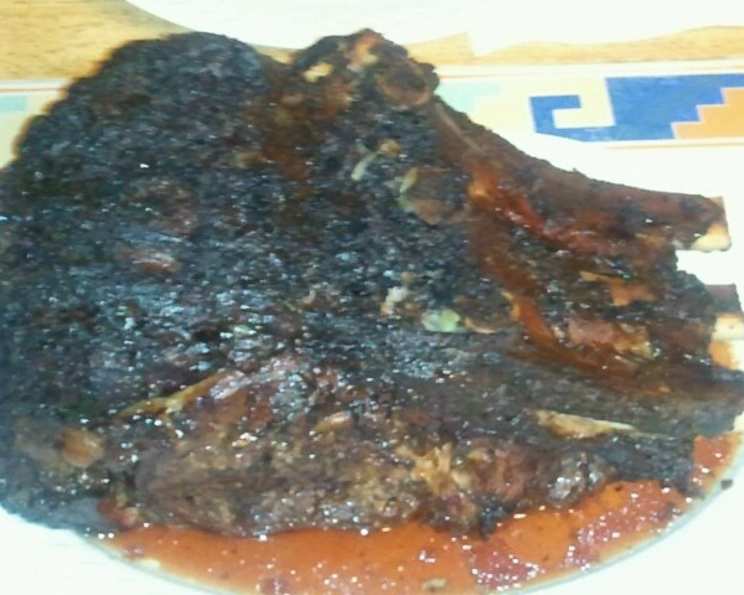
The Unrivaled Charred Rib Eye Roast: A Symphony of Smoke and Succulence
There are some meals that transcend mere sustenance; they become culinary milestones, etched into memory with every perfectly rendered bite. For me, the charred rib eye roast is one such dish. I vividly recall the first time I truly mastered it. It was for a special family gathering, a reunion where anticipation hung thick in the air, much like the rosemary-infused steam rising from my oven. My family, a discerning panel of palates I’ve affectionately dubbed “The Taste Buds of Truth,” can be notoriously hard to impress. Yet, as they savored the deep, smoky char, the impossibly tender, ruby-red interior, and the rich, wine-kissed jus, a quiet satisfaction settled over the room, a shared understanding that something extraordinary had been achieved. That evening, the rib eye roast wasn’t just dinner; it was a testament to patience, a celebration of primal flavors, and a joyous expression of love shared around the table.
Recipe Overview
- Prep Time: At least 6 hours (overnight is recommended)
- Cook Time: Varies based on desired doneness (approximately 13-15 minutes per pound for medium-rare)
- Total Time: At least 6 hours 15 minutes
- Servings: 6-8
- Yield: 1 Rib Eye Roast
- Dietary Type: Gluten-Free, Dairy-Free
Ingredients
- 5 – 7 lbs bone-in beef rib eye roast
- ¼ cup fresh rosemary, finely chopped (or 4 tablespoons dried rosemary)
- 1 bulb of garlic, peeled and minced
- 3 tablespoons peppercorns (a mix, or “melange,” is ideal)
- Kosher salt, approximately 2 tablespoons
- Whole grain Dijon mustard, enough to generously coat the roast
- Olive oil
- ½ cup Worcestershire sauce
- 3 cups Merlot (or another dry red wine)
Equipment Needed
- Food processor or mortar and pestle
- Large roasting dish with high sides
- Oven-safe rack that fits within the roasting dish
- Heavy-bottomed skillet or cast-iron pan (for searing)
- Meat thermometer
- Aluminum foil
- Carving knife and fork
Instructions
The journey to a perfect charred rib eye roast begins long before it hits the heat. It’s a process that embraces patience, allowing flavors to meld and develop.
-
Craft the Herb Paste: Begin by creating the flavorful crust that will adorn your roast. In a food processor, combine the fresh rosemary (or dried), minced garlic, and peppercorns. Pulse these ingredients until they are finely ground. Add about 2 tablespoons of kosher salt and a drizzle of olive oil. Continue to pulse until a coarse paste forms. This paste is the aromatic heart of our crust.
-
Chill and Marinate: Place the rib eye roast on a clean dish or in a very large plastic bag. Generously coat the entire surface of the roast with whole grain Dijon mustard. Next, sprinkle the Worcestershire sauce evenly over the mustard-coated roast. This combination will not only tenderize the meat but also infuse it with a delightful tang. Transfer the roast to the refrigerator and allow it to marinate and absorb these flavors for at least 6 hours, or ideally, overnight. This extended resting period is crucial for deep flavor penetration.
-
Bring to Room Temperature: Before you can begin the cooking process, it’s essential to allow the rib eye roast to come to room temperature. Remove it from the refrigerator about 1 to 1.5 hours before you plan to cook it. This ensures more even cooking throughout the roast.
-
Preheat the Oven: While the roast is warming up, preheat your oven to 375 degrees Fahrenheit (190 degrees Celsius).
-
The Crucial Sear: Heat a heavy-bottomed skillet or cast-iron pan over high heat with a tablespoon of olive oil. Carefully sear all sides of the rib eye roast until a deep, golden-brown crust forms. This step is paramount for locking in the juices and developing that signature char.
-
Prepare for Roasting: Once seared, place the rib eye roast on a rack in a high-sided roasting dish. Now, carefully spread the prepared herb and garlic paste over all surfaces of the roast, except for the rib area that is naturally covered by the membrane. This membrane protects the delicate rib meat and shouldn’t be masked by the paste.
-
Deglaze and Build the Jus: Take the skillet you used for searing and place it over medium heat. Pour in the 3 cups of Merlot. Use a wooden spoon or spatula to scrape up any browned bits (fond) stuck to the bottom of the pan. This process, known as deglazing, captures immense flavor for your jus. Let the wine simmer for a minute or two to slightly reduce.
-
Create the Bath: Add ½ inch of water to the bottom of the roasting dish, beneath the rack where the roast is resting. This water will create steam, helping to keep the roast moist during cooking and will mix with the pan drippings to form a flavorful base for the jus.
-
Initial Pour: Carefully and slowly pour the deglazed Merlot mixture from the skillet over the rib eye roast. Be mindful to capture the flavorful bits on the meat and avoid “washing” away the herb paste.
-
Roast to Perfection: Place the roasting dish in the preheated oven. Roast the rib eye roast until the internal temperature reaches 135 degrees Fahrenheit (57 degrees Celsius) for medium-rare. This typically takes about 13-15 minutes per pound. No basting is required during this initial roasting period. However, keep an eye on the liquid in the bottom of the dish. If it appears to be completely evaporating or consists only of grease, you can add a little more water or beef broth to maintain a shallow liquid level.
-
Rest is Best: Once the roast reaches the desired internal temperature, carefully remove it from the oven. Tent the roast loosely with aluminum foil and let it rest for at least 15-20 minutes on a carving board or serving platter. This resting period is crucial, allowing the juices to redistribute throughout the meat, resulting in a more tender and succulent roast. The internal temperature will also continue to rise slightly during this time.
-
Final Jus Reduction (Optional but Recommended): While the roast is resting, you can create a more concentrated jus. Carefully pour the remaining drippings from the roasting dish into a small saucepan. Deglaze the roasting dish again with a splash of Merlot (or a bit more if you like) and add any collected juices from the resting meat. Bring to a simmer over medium heat and reduce the liquid by about half. This will create a richer, more intense sauce. While the juices collected during resting are wonderful, this reduction concentrates their flavor.
Expert Tips & Tricks
- The Herb Paste is Your Best Friend: Don’t skimp on the herb paste. The combination of rosemary, garlic, and pepper, along with the salt, creates a fantastic crust that complements the rich beef. For a smoother paste, a mortar and pestle can offer superior texture control to a food processor.
- Bone-In Advantage: Cooking a bone-in roast offers more flavor and helps to insulate the meat, leading to a more evenly cooked final product. The bones themselves contribute to the depth of flavor.
- Room Temperature is Non-Negotiable: Rushing to cook a cold roast will result in uneven cooking – a well-done exterior with a rare center, or vice-versa. Allowing it to reach room temperature ensures consistent doneness.
- Trust Your Thermometer: The most reliable way to achieve your desired doneness is with a good meat thermometer. Insert it into the thickest part of the roast, avoiding the bone. For medium-rare, aim for 135°F (57°C) before resting. The temperature will rise to about 140-145°F (60-63°C) during resting.
- Don’t Overcrowd the Pan: If searing in batches, ensure you don’t overcrowd your skillet, as this will steam the meat rather than sear it, preventing a proper crust.
Serving & Storage Suggestions
Carve the rested rib eye roast into thick slices against the grain using a sharp carving knife and fork. Arrange the slices on a warmed platter. Spoon the reduced jus over the carved meat, or serve it on the side. This roast pairs beautifully with roasted root vegetables, creamy mashed potatoes, or a vibrant green salad.
Leftovers can be stored in an airtight container in the refrigerator for up to 3-4 days. Reheat gently in a covered dish in a low oven (around 300°F/150°C) with a splash of broth or water to prevent drying out, or slice thinly and enjoy cold in sandwiches. Freezing is not recommended for the best texture.
Nutritional Information
This data is an estimation and can vary based on the exact size and fat content of the roast.
| Nutrient | Amount per Serving (approximate) | % Daily Value |
|---|---|---|
| Calories | 1171.1 kcal | N/A |
| Calories from Fat | 83.7 g | 128% |
| Saturated Fat | 34.1 g | 170% |
| Cholesterol | 257 mg | 85% |
| Sodium | 443 mg | 18% |
| Total Carbohydrate | 12.1 g | 4% |
| Dietary Fiber | 1.4 g | 5% |
| Sugars | 3.1 g | 12% |
| Protein | 67.1 g | 134% |
Variations & Substitutions
- Herb Variations: While rosemary is classic, feel free to experiment with other robust herbs like thyme, sage, or a combination.
- Spice Level: Adjust the amount of peppercorns to your preference. For a touch of heat, a pinch of red pepper flakes can be added to the herb paste.
- Wine Choice: If Merlot isn’t your preference, a Cabernet Sauvignon or a bold Zinfandel would also work beautifully for deglazing and the jus.
FAQs
Q: How do I know when my rib eye roast is done?
A: The most accurate way is to use a meat thermometer inserted into the thickest part of the roast, avoiding the bone. Aim for 135°F (57°C) for medium-rare before resting.
Q: Can I make the herb paste ahead of time?
A: Yes, the herb paste can be made a day in advance and stored in an airtight container in the refrigerator.
Q: What if I don’t have a food processor?
A: A mortar and pestle works wonderfully for creating the herb paste, offering excellent control over the texture.
Q: Why should I sear the roast?
A: Searing creates a flavorful crust through the Maillard reaction, locks in juices, and adds a desirable char to the exterior of the roast.
Q: Is it okay to baste the roast while it cooks?
A: While not strictly necessary for this recipe, if you notice the liquid in the pan evaporating too quickly, you can add a little more water or beef broth. However, basting with pan juices is not required as the roast is cooked to a high enough temperature with sufficient moisture.
Final Thoughts
The charred rib eye roast is more than just a recipe; it’s an experience. It’s the culmination of thoughtful preparation and the reward of patience. When that perfectly roasted, deeply colored exterior gives way to a tender, juicy interior, you’ll understand the magic. This dish is a showstopper for any occasion, a testament to the enduring appeal of simple, high-quality ingredients treated with respect. Serve it proudly, and savor every magnificent bite. It’s a recipe that has earned its place in my culinary repertoire, and I hope it will in yours too.