
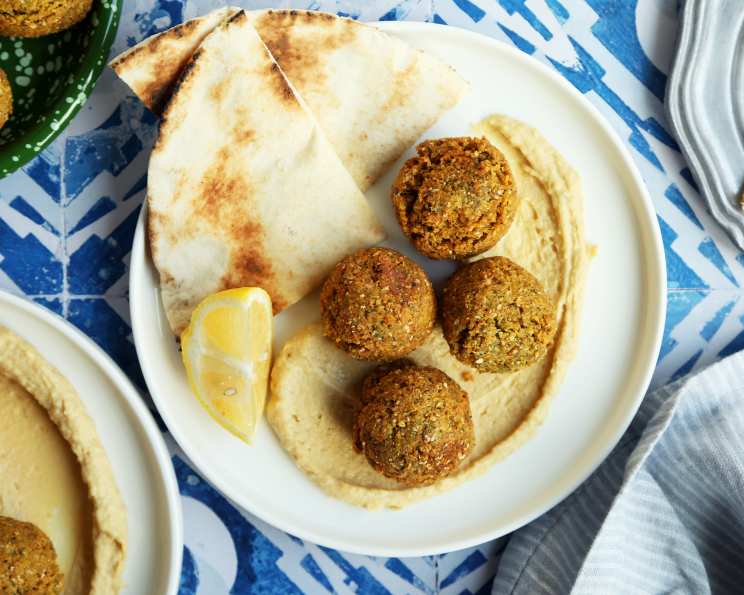
The Glorious Crunch: Mastering Homemade Crispy Fried Falafel
There’s a certain magic that happens when humble ingredients transform into something extraordinary, and for me, that magic is most potent in the realm of falafel. I still recall my first encounter with truly authentic falafel – not the pale, dry imitations sometimes found on less discerning menus, but vibrant green, impossibly crisp spheres that burst with fresh herbs and earthy legumes. It was on a bustling street in Cairo, the air thick with the scent of spices and the sizzle of oil, that I discovered this Egyptian treasure. That initial bite, a symphony of textures and flavors, ignited a lifelong passion for recreating that perfect crispiness at home. This recipe, a cherished adaptation from Maria Khalife’s “Middle Eastern Cookbook,” has become my benchmark, a testament to the simple brilliance of this beloved dish.
Recipe Overview
- Prep Time: 1 hour (plus overnight soaking)
- Cook Time: 5–6 minutes per batch
- Total Time: Approximately 1 hour 50 minutes (active time)
- Servings: Serves 4–6
- Yields: Approximately 45 patties
- Dietary Type: Vegan, Dairy-Free
Ingredients
The soul of great falafel lies in the quality of its components. For this recipe, we’ll be focusing on achieving that perfect balance of flavor and texture.
For Soaking:
- 1 cup dried broad beans, soaked overnight
- 1 cup dried garbanzo beans (chickpeas), soaked overnight
- Water (enough to cover beans generously)
For the Falafel Mixture:
- 4 tablespoons fresh parsley, roughly chopped
- 4 tablespoons fresh mint, roughly chopped
- 4 tablespoons fresh coriander (cilantro), roughly chopped
- 1 medium onion, peeled and chopped
- 2 garlic cloves, peeled and crushed
- 1 teaspoon dried coriander
- 1 teaspoon cumin
- ½ teaspoon turmeric
- ½ teaspoon cayenne pepper (adjust to your spice preference)
- ½ teaspoon salt
- 1 teaspoon bicarbonate of soda (baking soda)
For Frying:
- Vegetable oil, for deep-frying
A note on the beans: The original recipe calls for dried broad beans (also known as fava beans). If you find these difficult to source, as I sometimes do in my region, you can substitute with dried lima beans. Be aware that this substitution may slightly alter the authentic flavor profile, but the textural outcome should remain excellent. Remember, the beans must be soaked overnight, this is a crucial step that cannot be skipped or shortened.
Equipment Needed
To achieve the best results, a few key pieces of equipment will be your allies:
- A large bowl for soaking the beans
- A food processor
- A large mixing bowl
- A heavy-based frying pan or a deep fryer
- A slotted spoon or spider strainer
- A plate lined with clean paper towels for draining
Instructions
The journey to crispy falafel is a rewarding one, involving careful preparation and precise frying. Follow these steps meticulously for falafel perfection.
-
Soak the Beans: The night before you plan to make your falafel, place the dried broad beans and dried garbanzo beans in a large bowl. Pour water into the bowl, ensuring it generously covers the beans by at least an inch or two, as they will expand considerably. Cover the bowl with cling wrap and let them soak overnight. This is a non-negotiable step for softening the beans to the ideal consistency for processing.
-
Prepare the Beans for Processing: The next day, drain the soaked broad beans and chickpeas thoroughly. Once drained, you’ll need to remove and discard the skins from the broad beans. Gently rub the broad beans between your hands; the skins should loosen and separate. You can rinse them under water to help wash away the skins. This step is important for achieving a smooth texture in your falafel mixture.
-
Process the Falafel Base: Transfer the prepared broad beans and chickpeas into a large food processor. Add the fresh parsley, fresh mint, fresh coriander, chopped onion, crushed garlic cloves, dried coriander, cumin, turmeric, cayenne pepper, and salt. Process the mixture until it is finely chopped and well combined. You’re aiming for a coarse, crumbly mixture, not a smooth paste. It should hold together when squeezed.
-
Rest and Incorporate Bicarbonate of Soda: Transfer the processed mixture from the food processor to a large mixing bowl. Add the bicarbonate of soda to the mixture. Knead the ingredients together thoroughly with your hands or a sturdy spoon until the bicarbonate of soda is fully incorporated. This acts as a leavening agent, helping to create a lighter, airier falafel. Cover the bowl tightly with cling wrap and refrigerate for at least one hour. This resting period allows the flavors to meld and the mixture to firm up, making it easier to shape.
-
Shape the Falafel Patties: After the mixture has rested, it’s time to shape the falafel. Take small portions of the mixture and mould them into approximately walnut-sized balls. Then, gently flatten each ball slightly to create small patties. Place the shaped patties on a clean tray as you work. Repeat this process until all the falafel mixture has been used.
-
Deep-Fry to Golden Perfection: Heat a generous amount of vegetable oil in a heavy-based frying pan or a deep fryer over medium-high heat. The oil is ready when a small drop of the mixture sizzles immediately upon contact. Carefully and gently lower the falafel patties into the hot oil in batches. Be mindful that the patties can be delicate at this stage, and they may not hold their shape perfectly, which is part of their rustic charm. Deep-fry them for about five to six minutes, turning occasionally, until they are a deep golden brown and cooked through. Using a slotted spoon or spider strainer, carefully remove the cooked falafel from the oil and place them on the prepared paper towels to drain excess oil. Repeat this step until all the falafel patties have been cooked.
-
Serve and Enjoy: Your beautiful, crispy fried falafel are now ready! Serve them either hot or cold. They are incredibly versatile and delicious on their own, or as part of a larger mezze spread.
Expert Tips & Tricks
- The Squeeze Test: Before frying, take a shaped patty and squeeze it firmly. If it crumbles apart easily, your mixture might be too dry. You can add a tablespoon of cold water or a little more fresh herbs to help bind it. Conversely, if it feels too wet and sticky, add a tablespoon of chickpea flour (besan) or all-purpose flour and mix well.
- Oil Temperature is Key: Maintaining the correct oil temperature is paramount for crispy, non-greasy falafel. If the oil is too cool, the falafel will absorb too much oil and become soggy. If it’s too hot, they will burn on the outside before cooking through. Use a thermometer if you have one, or test with a small piece of the mixture – it should sizzle actively but not violently.
- Don’t Overcrowd the Pan: Frying in batches is essential. Overcrowding the pan will lower the oil temperature, leading to soggy falafel and uneven cooking.
- Flavor Boost: For an extra punch of flavor, consider adding a pinch of ground cardamom or a touch of sumac to the herb and spice mix.
- Make Ahead Magic: The falafel mixture can be prepared up to a day in advance, shaped, and stored on a tray in the refrigerator, covered loosely with plastic wrap. Fry them just before serving for the best crispiness.
Serving & Storage Suggestions
Falafel are a dream to serve. They are fantastic tucked into warm pita bread with a generous dollop of creamy tahini dip, a sprinkle of fresh parsley, and some crisp pickles. For a heartier meal, serve them alongside a fresh salad, hummus, and a side of garlic sauce or a spicy chili dip. They also make a wonderful addition to grain bowls or as a protein-rich topping for salads.
Leftover falafel can be stored in an airtight container in the refrigerator for up to 3 days. To reheat, the best method is to place them on a baking sheet in a preheated oven at 350°F (175°C) for about 5-7 minutes, or until heated through and crisped up again. Alternatively, you can briefly pan-fry them on medium heat until golden. Avoid microwaving, as this will result in a soft, undesirable texture.
Nutritional Information
Here’s an approximate nutritional breakdown per falafel patty:
| Nutrient | Amount per Serving | % Daily Value |
|---|---|---|
| Calories | 29.4 kcal | |
| Calories from Fat | 3 g | |
| Total Fat | 0.3 g | 0% |
| Saturated Fat | 0 g | 0% |
| Cholesterol | 0 mg | 0% |
| Sodium | 55.9 mg | 2% |
| Total Carbohydrate | 5 g | 1% |
| Dietary Fiber | 1.7 g | 6% |
| Sugars | 0.8 g | 3% |
| Protein | 1.8 g | 3% |
Note: Nutritional information is an estimate and can vary based on exact ingredients and portion sizes.
Variations & Substitutions
While this recipe provides a classic and delicious foundation, feel free to experiment!
- Herbal Infusion: Don’t be afraid to play with your herbs. Adding a little fresh dill or chives can introduce new dimensions of flavor.
- Spicy Kick: For those who crave more heat, increase the amount of cayenne pepper or add a pinch of red pepper flakes to the mixture.
- Gluten-Free: This recipe is naturally gluten-free, as it relies on legumes and fresh herbs.
- Baked Falafel: If you prefer a lighter option, you can bake falafel. After shaping, place them on a lightly oiled baking sheet and bake at 400°F (200°C) for 20-25 minutes, flipping halfway through, until golden brown and crisp. However, the deep-fried version offers an unparalleled crunch.
FAQs (Frequently Asked Questions)
Q: Why are my falafel not holding their shape when frying?
A: This usually indicates the mixture is too wet or hasn’t been processed finely enough. Ensure you’ve removed excess water from the beans and that the mixture is cohesive. Resting in the fridge for an hour also helps firm up the mixture.
Q: Can I use canned beans instead of dried?
A: It’s strongly recommended to use dried beans that have been soaked overnight. Canned beans have a different moisture content and texture that won’t yield the same authentic results.
Q: How do I know when the falafel are cooked through?
A: They should be a deep golden brown on all sides and feel firm to the touch when gently prodded. The inside will be tender and cooked through from the hot oil.
Q: Can I make the falafel mixture ahead of time?
A: Yes, the mixture can be prepared and refrigerated for up to 24 hours before shaping and frying. This allows the flavors to deepen further.
Q: What’s the best way to serve falafel for a crowd?
A: Arrange them on a large platter with an assortment of dips (tahini, hummus, yogurt-based sauces), a fresh salad, pickled vegetables, and warm pita bread for a delightful build-your-own experience.
Final Thoughts
The pursuit of the perfect crispy fried falafel is a culinary adventure that rewards patience and attention to detail. This recipe is more than just a set of instructions; it’s an invitation to experience the vibrant flavors and satisfying textures that have made this Middle Eastern staple a global favorite. Whether you’re a seasoned cook or just embarking on your culinary journey, I encourage you to dive in and savor the process. The aroma filling your kitchen as the falafel fry is truly intoxicating, and the first bite of that golden, crunchy exterior giving way to a tender, herb-infused interior is nothing short of pure bliss. Gather your friends and family, prepare a feast, and share the joy of homemade falafel – a dish that nourishes the body and warms the soul.