
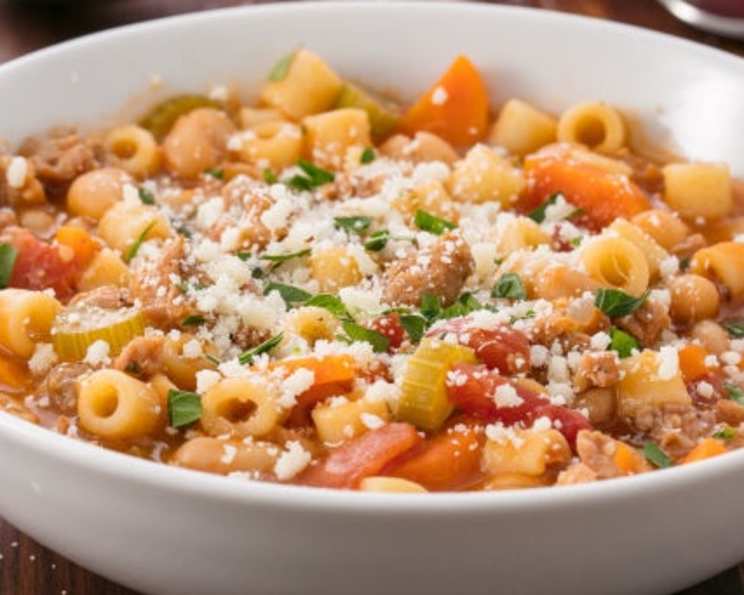
Fagioli Pasta: A Calabrese Embrace of Beans and Noodles
The scent of simmering tomatoes, fragrant herbs, and warming spices has always been a siren call to my kitchen. Growing up, certain dishes were less about a recipe and more about a feeling, a tradition passed down through generations. While many might associate “Pasta e Fagioli” with a hearty soup, my Southern Calabrese roots taught me a different, equally soul-satisfying truth: sometimes, the beans and sauce are the main event, clinging tenaciously to perfectly cooked pasta, transforming a humble supper into a robust, deeply flavorful experience. This dish, far from a mere soup, is a testament to the power of simple ingredients elevated by time and love, a true celebration of the earth’s bounty.
Recipe Overview
- Prep Time: 20 minutes
- Cook Time: 35 minutes
- Total Time: 55 minutes
- Servings: 4
- Yield: 4 servings
- Dietary Type: Can be made Vegetarian/Vegan (omit cheese)
Ingredients
This dish celebrates the magic that happens when simple, honest ingredients come together. You’ll need the following to create this authentic Calabrese embrace:
- 1 (14-ounce) can northern white beans (cannellini or great northern), drained and rinsed
- 1 medium white onion, diced
- 1 large garlic clove, minced
- 1/4 cup extra virgin olive oil
- 28 ounces tomato sauce (plain, not seasoned)
- 1 (14-ounce) can chicken broth (for a vegetarian/vegan version, use vegetable broth)
- 1/2 lb ditali pasta (or another small, tubular pasta shape like ditalini rigate, orzo, or pastina)
- 1 tablespoon fennel seed
- 1 tablespoon dried rosemary
- 1/4 cup dried basil
- 1 teaspoon crushed red pepper flakes (adjust to your spice preference)
- Salt and freshly ground black pepper, to taste
- 1/2 cup Pecorino Romano cheese, shredded (optional, for serving)
Equipment Needed
To bring this delicious Fagioli Pasta to life, you’ll want to have these essential tools at the ready:
- A large pot for boiling pasta
- A large skillet or Dutch oven for sautéing and simmering the sauce
- A stirring spoon or spatula
- Measuring cups and spoons
- A colander for draining pasta
Instructions
The beauty of Fagioli Pasta lies in its straightforward assembly, allowing the flavors to meld and deepen beautifully. Follow these steps carefully for a truly authentic result.
- Begin by bringing a large pot of generously salted water to a rolling boil. This is crucial for seasoning the pasta from the inside out.
- While the water heats, prepare the flavorful sauce. In your large skillet or Dutch oven, heat the extra virgin olive oil over medium heat. Add the diced white onion and a generous pinch of salt and freshly ground black pepper. Sauté the onion until it becomes translucent and softened, about 5-7 minutes, stirring occasionally. Avoid browning it; we’re aiming for sweetness here.
- Add the minced garlic clove to the skillet with the softened onions. Cook for another minute until fragrant, being careful not to burn the garlic, which can turn bitter.
- Pour in the tomato sauce, fennel seed, dried rosemary, dried basil, and crushed red pepper flakes. Stir everything together to combine.
- Reduce the heat to medium-low, cover the skillet, and simmer the sauce for 20 minutes, stirring frequently. This simmering period is key to allowing the herbs and spices to infuse the tomato sauce, creating a rich and complex base.
- Meanwhile, once the salted water is boiling, add the ditali pasta and cook until al dente. This means the pasta should be tender but still have a slight, pleasant firmness to the bite. Refer to your pasta package for specific cooking times, but always taste a piece to ensure it’s cooked perfectly.
- As soon as the pasta is cooked to al dente, drain the water thoroughly. Return the drained pasta to the hot, empty pasta pot.
- Now, carefully add the hot tomato sauce from the skillet to the pot with the pasta. Be cautious as the sauce is hot.
- Next, add the chicken broth (or vegetable broth for a vegetarian/vegan option) and the drained and rinsed northern white beans to the pot.
- Mix everything thoroughly to ensure the pasta is well-coated with the sauce and the beans are evenly distributed.
- Continue to heat the mixture on medium-low heat, stirring gently, until the pasta and bean mixture reaches your desired serving temperature. This will take a few more minutes, allowing the flavors to meld further and the sauce to thicken slightly.
- Taste the Fagioli Pasta and season with additional salt and freshly ground black pepper if needed. Remember, the salt in the pasta water, the beans, and the broth will contribute to the overall saltiness, so adjust judiciously.
- Serve immediately, dividing the Fagioli Pasta among warm bowls. Top each serving with a generous amount of shredded Pecorino Romano cheese, if desired.
Expert Tips & Tricks
To elevate this already delightful dish from great to unforgettable, consider these culinary insights:
- The Power of Aromatics: Don’t rush the sautéing of the onions. Allowing them to soften and become sweet releases their full flavor potential, forming a crucial aromatic base for the sauce.
- Toasting Fennel Seed: For an even more intense fennel aroma, you can lightly toast the fennel seeds in a dry skillet over medium heat for a minute or two until fragrant before adding them to the sauce.
- Pasta Shape Matters: While ditali is traditional, other small, textured pasta shapes will work beautifully. Shapes with ridges or cups can hold onto the sauce even better.
- Bean Variety: While northern white beans are classic, cannellini beans offer a similar creamy texture and mild flavor. Ensure they are well-rinsed to remove any excess starch or metallic taste.
- Broth is Key: The broth helps to loosen the sauce and create a more integrated dish. Using a good quality broth will significantly enhance the overall flavor profile.
- Don’t Overcook the Pasta: The pasta will continue to cook slightly in the hot sauce. Aim for a firm al dente so it doesn’t become mushy.
Serving & Storage Suggestions
This Fagioli Pasta is best enjoyed piping hot, straight from the pot, as it allows the textures and aromas to be at their peak. Serve it in deep bowls, perhaps with a sprinkle of fresh parsley for a pop of color and freshness. It’s a complete meal on its own, but a crusty loaf of Italian bread is an indispensable companion for mopping up every last drop of that glorious sauce.
Leftovers, if there are any, can be stored in an airtight container in the refrigerator for up to 3 days. The flavors tend to meld and deepen overnight, making it almost as good the next day. To reheat, gently warm it on the stovetop over low heat, adding a splash of water or broth if it seems too thick. You can also reheat it in the microwave in short intervals, stirring frequently.
Nutritional Information
Here is an estimated nutritional breakdown for a serving of Fagioli Pasta, based on the ingredients listed. Please note that these values can vary based on specific brands and preparation methods.
| Nutrient | Amount per Serving | % Daily Value |
|---|---|---|
| Calories | 531.3 kcal | – |
| Calories from Fat | 143 kcal | – |
| Total Fat | 16 g | 24% |
| Saturated Fat | 2.4 g | 12% |
| Cholesterol | 0 mg | 0% |
| Sodium | 1387.7 mg | 57% |
| Total Carbohydrate | 79.4 g | 26% |
| Dietary Fiber | 11.6 g | 46% |
| Sugars | 11.9 g | 47% |
| Protein | 20.5 g | 41% |
(Note: The Daily Value percentages are based on a 2,000-calorie diet. Individual needs may be higher or lower.)
Variations & Substitutions
While the recipe as written is a beloved classic, feel free to explore these delicious variations:
- Vegetarian/Vegan Option: As mentioned, substitute vegetable broth for chicken broth and omit the Pecorino Romano cheese. A sprinkle of nutritional yeast can add a cheesy umami note for vegans.
- Add Greens: Wilt in a handful of fresh spinach or kale during the last few minutes of cooking for added nutrients and color.
- Spice It Up: Increase the crushed red pepper flakes for a spicier kick, or add a diced jalapeño along with the onions.
- Different Beans: While northern white beans are traditional, chickpeas or borlotti beans could also be used for a different texture and flavor profile.
- Heartier Additions: For a more substantial meal, consider adding small pieces of Italian sausage (cooked separately and added at the end) or diced pancetta sautéed with the onions.
FAQs
Q: Is Fagioli Pasta typically a soup or a pasta dish?
A: While the name “Pasta e Fagioli” often translates to “pasta and beans,” its preparation can lean towards a hearty soup or a thicker, pasta-centric dish. This recipe firmly embraces the latter, with the sauce clinging to the pasta.
Q: Can I make this dish ahead of time?
A: Yes, this dish can be made ahead. The flavors often improve as they meld. Reheat gently on the stovetop, adding a splash of broth or water if needed.
Q: What kind of pasta is best for Fagioli Pasta?
A: Small, tubular shapes like ditali, ditalini rigate, or orzo are ideal as they catch and hold the sauce well.
Q: How can I make the sauce thicker if it’s too thin?
A: Simmer the sauce uncovered for a few extra minutes before adding the pasta, or mash a small portion of the beans against the side of the pot to release their starches and thicken the sauce naturally.
Q: Is Pecorino Romano cheese essential?
A: Pecorino Romano adds a sharp, salty flavor that is characteristic of many Italian dishes. However, if you don’t have it, a good quality grated Parmesan cheese can be used as a substitute, or omitted entirely.
Final Thoughts
This Fagioli Pasta is more than just a recipe; it’s an invitation to embrace the rustic, comforting flavors of Southern Italy. It’s a dish that speaks of warmth, generosity, and the simple joy of sharing a delicious meal. Whether you’re a seasoned cook or just beginning your culinary journey, I encourage you to try this recipe. Let the aroma fill your home, savor the satisfying textures, and share the bounty with loved ones. It’s a dish that will undoubtedly find a cherished place in your repertoire. Buon appetito!