
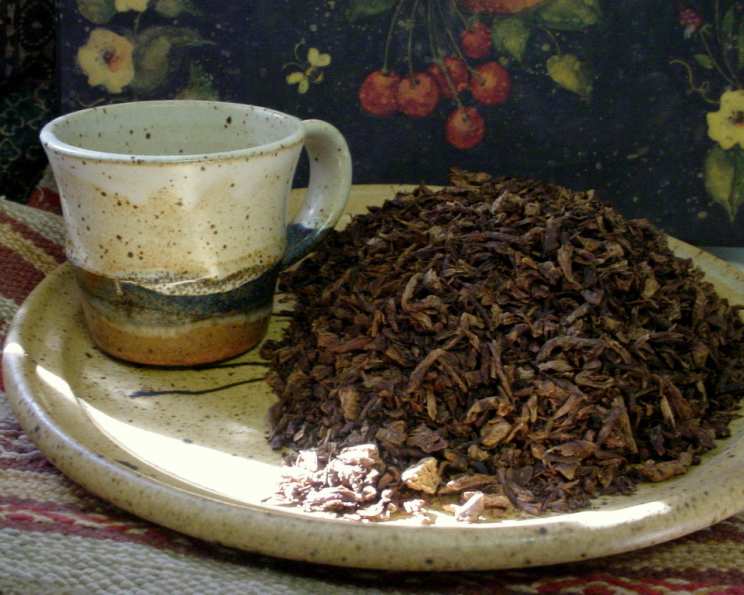
The Earthy Elixir: Crafting Your Own Fake Coffee
There’s a certain ritual that coffee offers – the comforting aroma that fills the kitchen, the warm mug cradled in your hands, and that first energizing sip. For years, my morning coffee was an indispensable part of my day, a silent companion to my thoughts as the world slowly woke up. However, a few years ago, a persistent sensitivity to caffeine began to make its presence known, leaving me with jitters and sleepless nights. Searching for an alternative that could replicate the satisfying depth and ritual of coffee without the downsides led me down a fascinating path, eventually revealing the humble power of roasted roots and spices. This journey transformed my mornings, proving that a robust and flavorful brew can indeed be found outside the realm of traditional coffee beans.
Recipe Overview
- Prep Time: 45 minutes
- Cook Time: 1 hour 45 minutes
- Total Time: 2 hours 30 minutes
- Servings: N/A (makes a concentrated blend)
- Yield: Approximately 2.5 cups of roasted root blend
- Dietary Type: Vegan, Caffeine-Free, Gluten-Free
Ingredients
Gathering these foundational ingredients is the first step in creating your own deeply satisfying coffee substitute.
- 8 cups fresh dandelion root, chopped
- 6 cups fresh burdock root, roots chopped
- 4 cups fresh chicory lettuce, roots chopped
- 1 cinnamon stick
- 1/4 cup fresh licorice root (use dried licorice root, chopped, if fresh is unavailable; important note: do not use licorice if you have high blood pressure)
- 1 tablespoon ground ginseng roots
Equipment Needed
To bring this earthy brew to life, you’ll need a few key pieces of equipment:
- Large ungreased baking pans (multiple may be needed depending on the quantity)
- Food processor or blender
- Airtight storage jar(s)
- Measuring cups and spoons
- Knife for chopping roots
- Oven
Instructions
The process of transforming these roots into a coffee-like elixir is a labor of love, a gentle roasting that unlocks their complex flavors and aromas.
-
Begin by preheating your oven to 300 degrees Fahrenheit (150 degrees Celsius). This initial moderate heat is crucial for slowly drying and beginning the roasting process of the roots.
-
Prepare your chosen fresh roots – dandelion root, burdock root, and chicory lettuce root – by chopping them into manageable pieces. Ensure they are clean and free of any soil.
-
Spread the chopped roots evenly across your large, ungreased baking pans. It’s important that the roots are not overcrowded, allowing for even roasting and drying.
-
Place the pans in the preheated oven. Bake for 45 minutes. After this initial period, stir the roots to ensure they are roasting uniformly. Continue baking.
-
After the initial 45 minutes, reduce the oven heat to 200 degrees Fahrenheit (95 degrees Celsius). This lower temperature allows for a slower, more thorough roast, developing a deeper flavor profile.
-
Continue to roast for an additional 45 minutes to 1 hour. During this phase, it is essential to stir the roots every 20 minutes. This frequent stirring prevents burning and ensures a consistent golden-brown hue and toasted aroma throughout the batch. The roots are ready when they are golden and have a dry, slightly brittle texture.
-
While the roots are finishing their roast, prepare the cinnamon stick. If you are using a whole stick, crush the cinnamon stick in a food processor or blender until it is finely ground.
-
Once the roasted roots have reached the desired golden color and are thoroughly dry, remove them from the oven. Allow them to cool slightly on the baking pans.
-
In a large bowl, combine the cooled roasted roots, the ground cinnamon, the chopped licorice root, and the ground ginseng roots. Mix thoroughly to ensure all the components are well distributed.
-
Carefully transfer the blended root mixture into an airtight jar or jars for storage. It is absolutely critical that the roots are very dry before sealing them away. Any residual moisture can lead to spoilage.
-
To prepare a cup of your “fake coffee,” grind a small amount of the roasted root blend. Use 1 tablespoon of the ground blend for every 1 cup of water.
Expert Tips & Tricks
Achieving the perfect cup of this coffee substitute is about understanding the nuances of roasting and blending.
- Root Preparation is Key: Ensure your fresh roots are thoroughly washed and then chopped to a relatively uniform size. This will promote even drying and roasting. If using dried roots, the chopping will still be necessary.
- Don’t Rush the Roast: The two-stage roasting process is vital. The initial heat dries the roots, while the lower temperature develops the rich, roasted flavor. Patience here will be rewarded.
- The Scent Test: As the roots roast, your kitchen will fill with a wonderfully earthy aroma. When the scent becomes deeply roasted and nutty, you’re on the right track. Be mindful not to let them scorch, which can create a bitter taste.
- Grind Fresh for Each Brew: Just like traditional coffee, grinding your root blend just before brewing will yield the most vibrant flavor. Store the blend in an airtight container in a cool, dark place.
- Adjust the Strength: The recipe calls for 1 tablespoon of ground blend per cup of water, but feel free to adjust this to your preference. For a bolder brew, use a little more; for a lighter taste, use less.
- Licorice Caution: If you have high blood pressure, it’s crucial to omit the licorice root. Its inclusion is optional for flavor but carries a specific health consideration.
Serving & Storage Suggestions
Your homemade coffee substitute is incredibly versatile, offering a comforting beverage at any time of day.
- Serving: Prepare your brew by simmering the ground mixture in water for about 5-10 minutes, then straining thoroughly. Serve it black for a pure, earthy taste, or add your favorite milk (dairy or non-dairy), sweetener, or a dash of spice like cardamom or nutmeg. It’s also a wonderful base for lattes or even used in baking where a coffee flavor is desired.
- Storage: Store the roasted and blended root mixture in an airtight jar in a cool, dry, and dark place. Properly stored, the blend should remain fresh and potent for several months. Ensure there is absolutely no moisture present before sealing the jar.
Nutritional Information
This coffee substitute is wonderfully free of calories and offers a pure, natural beverage.
| Nutrient | Amount per Serving (Brewed) | % Daily Value |
|---|---|---|
| Calories | 0 kcal | 0% |
| Calories from Fat | 0 g | 0% |
| Total Fat | 0 g | 0% |
| Saturated Fat | 0 g | 0% |
| Cholesterol | 0 mg | 0% |
| Sodium | 0 mg | 0% |
| Total Carbohydrate | 0 g | 0% |
| Dietary Fiber | 0 g | 0% |
| Sugars | 0 g | 0% |
| Protein | 0 g | 0% |
(Note: Nutritional values are approximate and based on the brewed beverage without added milk or sweeteners.)
Variations & Substitutions
While this blend is wonderfully balanced, you can explore variations to suit your palate.
- Root Variety: Experiment with other roasted roots like parsnips or even sweet potato for different flavor notes. Ensure they are dried and roasted similarly.
- Spice it Up: Beyond cinnamon, consider adding a small piece of star anise, a few cardamom pods, or a pinch of cloves to the roasting pan with the roots for an aromatic twist.
- Chicory Focus: If you particularly enjoy the coffee-like bitterness of chicory, you can increase its proportion in the blend.
- Sweeteners: While not part of the blend itself, consider using natural sweeteners like maple syrup or date paste when serving if you prefer a sweeter drink.
FAQs
Q: Why would someone choose a coffee substitute?
A: People opt for coffee substitutes due to caffeine sensitivity, a desire to reduce caffeine intake, or simply to explore a healthier, naturally energizing beverage option.
Q: What makes dandelion root and burdock root good for this recipe?
A: These roots are chosen for their earthy, slightly bitter, and robust flavors when roasted, mimicking some of the complexity found in coffee. They also offer various potential health benefits.
Q: Can I use store-bought roasted chicory or dandelion root?
A: Yes, you can, but you may need to adjust the roasting time and intensity as they are already processed. It’s best to follow the package instructions or start with a shorter roasting period.
Q: How finely should I grind the roasted roots?
A: For optimal brewing, grind the roots to a consistency similar to coarse coffee grounds. Too fine, and it may over-extract or become muddy; too coarse, and the flavor may be weak.
Q: Is this blend safe for everyone?
A: While generally safe and caffeine-free, individuals with specific health conditions, such as high blood pressure, should be cautious with certain ingredients like licorice root and consult with a healthcare professional if unsure.
Final Thoughts
Embarking on the journey to create your own coffee substitute is a rewarding experience, connecting you to the earth’s bounty and offering a truly personalized brew. This blend, with its comforting aroma and satisfying depth, proves that delicious and invigorating drinks can be crafted from the simplest of ingredients. I encourage you to gather your roots, embrace the slow process of roasting, and discover the earthy elixir for yourself. Share this creation with friends and family, and perhaps even experiment with a cinnamon-infused latte. May your mornings be filled with warmth, flavor, and a sense of healthful indulgence.