
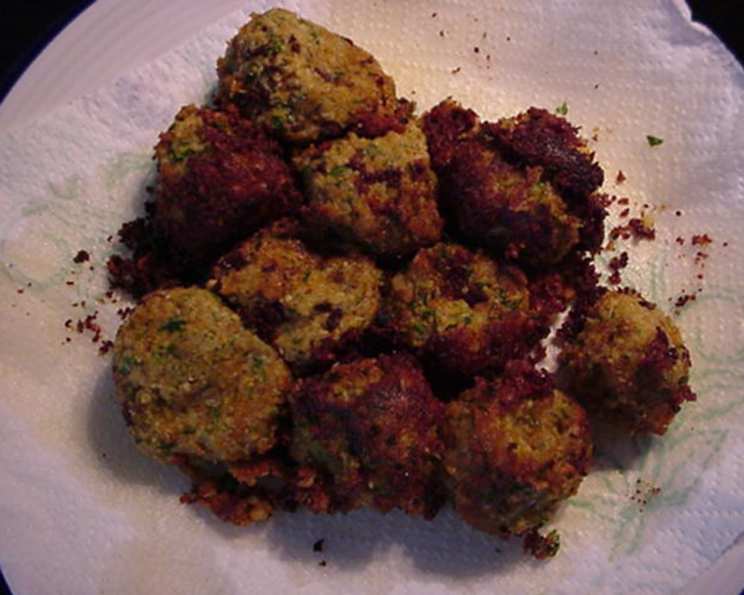
Falafel-Fried: A Crispy Revelation
There’s a certain magic that happens when humble ingredients are transformed into something truly extraordinary. For me, falafel has always been one of those culinary chameleons – capable of being a light appetizer, a hearty sandwich filling, or a star on its own. I remember one particularly chilly evening, huddled in a small, bustling market in Cairo, the air thick with the intoxicating aroma of spices and frying dough. A vendor, with eyes that twinkled behind a cloud of steam, presented me with a small, perfectly golden orb. That first bite was a revelation: a shatteringly crisp exterior giving way to a tender, herbaceous, and deeply satisfying interior. It wasn’t just food; it was an experience, a memory seared into my palate, and it’s a taste I’ve chased ever since.
Recipe Overview
- Prep Time: 8 hours 25 minutes (includes overnight soaking)
- Cook Time: 1 hour 30 minutes (simmering) + frying time
- Total Time: 8 hours 25 minutes (active prep is significantly less)
- Servings: approximately 50 balls
- Yield: ~50 falafel balls
- Dietary Type: Vegan, Dairy-Free
Ingredients
The soul of great falafel lies in its simple, yet potent, combination of ingredients. It’s about fresh flavors, the right texture, and a touch of spice that awakens the senses.
- ½ lb dried garbanzo beans (also known as chickpeas)
- ¼ cup cracked wheat (bulgur wheat)
- 1 small onion, peeled and cut into chunks
- 1 tablespoon parsley flakes
- 4 cloves garlic
- 2 tablespoons lemon juice
- 1 teaspoon ground cumin
- ½ teaspoon coriander
- ½ teaspoon pepper
- ½ teaspoon chili powder
- 1 teaspoon paprika
- 1 dash cayenne pepper
- 2 tablespoons breadcrumbs (or as needed for binding)
- Oil (for deep frying – a neutral oil like vegetable, canola, or sunflower is ideal)
Equipment Needed
While falafel is forgiving, a few key tools will make the process smoother.
- Large pot (for soaking beans and simmering)
- Colander
- Food processor
- Large mixing bowl
- Slotted spoon or spider strainer
- Paper towels
- Deep frying pot or Dutch oven
Instructions
Crafting perfect falafel is a labor of love, with the overnight soak being the most crucial step for achieving that ideal texture. Follow these steps closely for a truly authentic result.
- Soak the Garbanzo Beans: Begin by placing the ½ lb of dried garbanzo beans in a large pot. Cover them generously with 2 liters of water. Allow them to soak overnight, or for at least 8 hours. This step is non-negotiable for achieving the right consistency.
- Drain and Simmer: The next morning, drain the soaked garbanzo beans thoroughly. Return them to the large pot. Cover with fresh water again, and add 1 tablespoon of salt. Bring the water to a boil over high heat. Once boiling, reduce the heat to low, cover the pot, and simmer for 1 ½ hours. This lengthy simmer ensures the beans are tender but not mushy.
- Cool and Prepare the Cracked Wheat: After simmering, drain the garbanzo beans once more and allow them to cool completely. While the beans are cooling, soak the ¼ cup of cracked wheat in hot water for 20 minutes. After soaking, drain the cracked wheat and set it aside.
- Process the Falafel Base: Once the garbanzo beans have cooled, it’s time to process them. Place the cooled garbanzo beans into the container of your food processor. Process them until they are finely chopped. You’re looking for a texture that’s past chunky but not a paste – similar to coarse sand.
- Combine and Add Aromatics: Transfer the finely chopped garbanzos to a large mixing bowl. Next, peel the small onion, cut it into chunks, and place it in the food processor along with the 1 tablespoon of parsley flakes and the 4 cloves of garlic. Process these ingredients until finely chopped, creating an aromatic base.
- Integrate the Mixture: Add the chopped onion mixture and the drained cracked wheat to the garbanzos in the large mixing bowl.
- Season and Bind: Stir in the 2 tablespoons of lemon juice and all the spices: 1 teaspoon ground cumin, ½ teaspoon coriander, ½ teaspoon pepper, ½ teaspoon chili powder, 1 teaspoon paprika, and 1 dash of cayenne pepper. Mix everything thoroughly to ensure the spices are evenly distributed. Now, begin adding the 2 tablespoons of breadcrumbs, a little at a time, mixing well after each addition. Continue adding breadcrumbs as needed until the mixture is firm enough to hold its shape when rolled into balls. You don’t want it too dry, but it should be cohesive.
- Shape the Falafel: Take small portions of the mixture and shape them into approximately 1-inch balls. You can use your hands or a small cookie scoop for uniformity.
- Fry to Perfection: Heat a generous amount of oil in a deep frying pot or Dutch oven over medium-high heat. The oil is ready when a small piece of the mixture dropped in sizzles immediately. Carefully add the falafel balls to the hot oil, ensuring not to overcrowd the pot. Fry them in batches until they are light brown and crisp. This usually takes about 3-5 minutes per batch.
- Drain and Serve: Using a slotted spoon or spider strainer, remove the cooked falafel from the hot oil and place them on a plate lined with paper towels to absorb any excess oil.
Expert Tips & Tricks
To elevate your falafel game from good to exceptional, consider these pro insights:
- The Bean Choice is Key: While garbanzo beans are traditional, some recipes use a mix of garbanzo and fava beans. However, for this specific recipe, sticking to garbanzos ensures the intended texture.
- Don’t Over-Process: The goal is a finely chopped mixture, not a paste. Over-processing can lead to dense, gummy falafel. Pulse in stages if your food processor is very powerful.
- Achieving the Perfect Crisp: The oil temperature is critical. Too cool, and the falafel will absorb too much oil; too hot, and they’ll burn before cooking through. Aim for a consistent 350-375°F (175-190°C).
- Binding is an Art: The breadcrumbs are there to bind, but don’t add too many. The cracked wheat also contributes to the texture. If your mixture feels too wet, add a tiny bit more breadcrumbs. If it feels too dry and crumbly, a whisper of water or lemon juice can help.
- Make-Ahead Magic: You can prepare the falafel mixture up to a day in advance and store it, covered, in the refrigerator. Shape the balls just before frying for the best results.
Serving & Storage Suggestions
Falafel is incredibly versatile. Serve these golden orbs as a delightful appetizer with a side of creamy tahini dipping sauce. For a more substantial meal, nestle them into warm pita bread with crisp lettuce, juicy tomatoes, and a drizzle of tahini and your favorite hot sauce. Leftovers can be stored in an airtight container in the refrigerator for up to 3 days. To reheat, a quick stint in a moderately hot oven (around 350°F/175°C) for 5-10 minutes will restore their crispness.
Nutritional Information
Please note that nutritional information can vary significantly based on preparation methods and specific ingredients used. This is an estimation.
| Nutrient | Amount per Serving (approx.) | % Daily Value |
|---|---|---|
| Calories | 10.2 | N/A |
| Calories from Fat | 0.1g | 0% |
| Saturated Fat | 0g | 0% |
| Cholesterol | 0mg | 0% |
| Sodium | 18.4mg | 0% |
| Total Carbohydrate | 2g | 0% |
| Dietary Fiber | 0.3g | 1% |
| Sugars | 0.1g | 0% |
| Protein | 0.4g | 0% |
Variations & Substitutions
While this recipe is classic, feel free to experiment:
- Herbaceous Boost: For an even more vibrant flavor, add a handful of fresh cilantro or mint (or a combination) to the food processor with the onion and garlic.
- Spice Level: Adjust the cayenne pepper and chili powder to suit your heat preference.
- Binder Swap: If you prefer, you can experiment with using chickpea flour as a binder instead of breadcrumbs, though this may alter the texture slightly.
FAQs
Q: Why do I need to soak the dried garbanzo beans overnight?
A: Soaking rehydrates the beans, softening them enough to be processed into the characteristic falafel texture and ensuring they cook through properly when fried.
Q: Can I use canned chickpeas for this recipe?
A: No, this recipe specifically calls for dried garbanzo beans and requires the soaking and simmering steps to achieve the correct texture and flavor profile. Canned chickpeas are too soft and will result in a mushy mixture.
Q: What is the best oil for frying falafel?
A: A neutral-flavored oil with a high smoke point, such as vegetable oil, canola oil, or sunflower oil, is ideal for deep frying falafel.
Q: My falafel mixture is too crumbly to form balls. What should I do?
A: Add a little more breadcrumbs, a tablespoon at a time, mixing well until the mixture holds together. Alternatively, a tiny splash of water or lemon juice can help bind it.
Q: How can I make my falafel extra crispy?
A: Ensure your oil is at the correct temperature (350-375°F/175-190°C) and avoid overcrowding the pot, which lowers the oil temperature. Frying in batches and draining them well on paper towels also helps maintain crispness.
Final Thoughts
The journey of making falafel from scratch is deeply rewarding. It’s a taste of tradition, a celebration of simple ingredients, and a testament to the power of time and technique. Whether you serve them piled high in a pita or as a stand-alone appetizer, these Falafel-Fried creations are sure to be a hit. Don’t be afraid to get your hands a little messy – that’s where the magic happens. I encourage you to try this recipe, savor the aromas as they fill your kitchen, and enjoy every crispy, flavorful bite.