
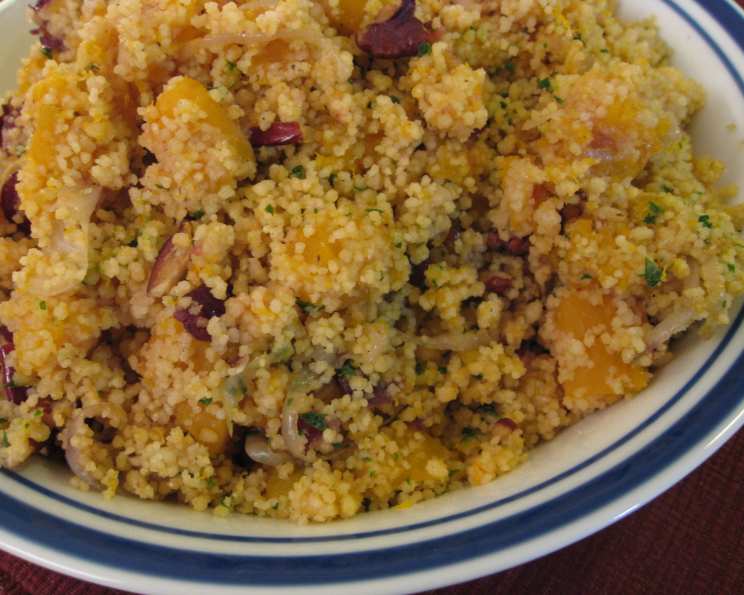
Fall Harvest Couscous: A Symphony of Autumn Flavors
There’s a particular scent that wafts through my kitchen as the leaves begin to turn – a comforting perfume of roasted root vegetables, warm spices, and toasted nuts. It’s the aroma of autumn settling in, and it invariably leads me back to this Fall Harvest Couscous. I remember the first time I made it, a happy accident born from a surplus of butternut squash from a local farm stand. The initial thought was just to roast it, but as I stirred in the fluffy couscous and sweet dried cranberries, a realization dawned: this was more than just a side dish; it was a celebration of the season, a vibrant bowl that captured the very essence of fall. It’s a dish that has since become a staple during my holiday entertaining, always eliciting delighted murmurs of appreciation.
Recipe Overview
- Prep Time: 25 minutes
- Cook Time: 25 minutes
- Total Time: 50 minutes
- Servings: 6
- Yield: Generous side dish for 6
- Dietary Type: Can be made Vegetarian/Vegan (with vegetable stock and olive oil)
Ingredients
This dish sings with the flavors of fall, bringing together the sweetness of roasted squash and cranberries with the earthy crunch of pecans.
- 2 lbs butternut squash, peeled, seeded, and cut into 1/2-inch pieces
- 1 medium onion, thinly sliced
- 3 tablespoons extra virgin olive oil
- 1/4 teaspoon freshly grated nutmeg
- 1/2 teaspoon salt
- 1/2 teaspoon pepper
- 1 1/2 cups couscous
- 1 1/3 cups chicken stock (or 1 1/3 cups vegetable stock for a vegetarian/vegan option)
- 1 tablespoon butter (optional, for richness; omit for vegan)
- 1/3 cup dried cranberries
- 1/2 cup pecans, toasted
- 1/4 cup finely chopped flat-leaf parsley
- Sea salt, to taste
- Ground pepper, to taste
Equipment Needed
To bring this autumnal delight to life, you’ll need a few kitchen essentials:
- Large rimmed baking sheet
- Large bowl
- Large saucepan with a lid
- Measuring cups and spoons
- Sharp knife and cutting board
- Fork (for fluffing couscous)
Instructions
Crafting this Fall Harvest Couscous is a straightforward process that rewards you with a dish bursting with flavor and texture.
- Preheat your oven to 425°F (220°C). This high heat is crucial for caramelizing the butternut squash and onions, developing their inherent sweetness.
- In a large bowl, combine the butternut squash pieces, thinly sliced onion, extra virgin olive oil, freshly grated nutmeg, 1/2 teaspoon salt, and 1/2 teaspoon pepper. Toss everything together until the vegetables are evenly coated.
- Spread the seasoned butternut squash and onion mixture in a single layer on a rimmed baking sheet. Ensure the vegetables have space; overcrowding will steam them instead of roasting, preventing that lovely caramelization.
- Roast in the preheated oven, stirring occasionally, until the squash and onion are tender and have begun to brown slightly. This will take approximately 25 minutes. Keep an eye on them during the last few minutes to prevent burning.
- Once roasted, allow the butternut squash and onion mixture to cool on the baking sheet.
- Make-Ahead Tip: At this point, the roasted butternut squash and onion mixture can be frozen. Once completely cooled, transfer it to an airtight container or freezer bag. To use, defrost in the refrigerator for several hours or overnight, or gently reheat in the microwave.
- In a large saucepan, combine the defrosted (or freshly roasted) squash and onion mixture, 1 1/3 cups chicken stock (or vegetable stock), 1 tablespoon butter (if using), and 1/3 cup dried cranberries.
- Place the saucepan over medium heat and bring the mixture to a simmer, stirring gently to incorporate the ingredients.
- Once simmering, stir in the 1 1/2 cups couscous.
- Cover the saucepan tightly with a lid and immediately remove it from the heat.
- Let the couscous stand, covered, for 10 minutes. This allows the couscous to absorb the liquid and steam to perfection, resulting in fluffy grains.
- After 10 minutes, stir in the 1/2 cup toasted pecans and 1/4 cup finely chopped flat-leaf parsley.
- Season to taste with sea salt and ground pepper. Remember that the stock likely contains salt, so taste before adding too much.
- Fluff the couscous gently with a fork to separate the grains and distribute the add-ins evenly.
- Serve warm.
Expert Tips & Tricks
As a seasoned chef, I always look for ways to elevate a dish, even a simple one. Here are a few tips to make your Fall Harvest Couscous truly shine:
- Toasting the Pecans: Don’t skip toasting the pecans! Spread them on a small dry skillet over medium heat, stirring frequently, until fragrant and slightly darkened. This brings out their nutty depth and makes them wonderfully crisp. Watch them closely, as they can burn quickly.
- The Quality of Your Stock: The stock is a foundational flavor here. Using a good quality chicken or vegetable stock will make a noticeable difference. If you have homemade stock, even better!
- Nutmeg Nuances: Freshly grated nutmeg is a game-changer. The pre-ground stuff is fine, but the aroma and flavor of freshly grated nutmeg are unparalleled, especially in dishes like this where it’s a key spice.
- Don’t Overcrowd the Pan: I mentioned this in the instructions, but it bears repeating. Roasting vegetables in a single layer ensures they get those lovely browned edges, adding immense flavor and texture. If you have a lot of vegetables, roast them in two batches.
- Parsley Power: Flat-leaf parsley has a more robust flavor than curly parsley. Ensure it’s finely chopped for even distribution throughout the couscous.
Serving & Storage Suggestions
This Fall Harvest Couscous is incredibly versatile. It makes a wonderful side dish for roasted chicken, pork tenderloin, or a hearty lentil loaf. For a lighter meal, it stands beautifully on its own accompanied by a simple green salad with a light vinaigrette.
- Serving: Serve the couscous warm, ensuring the colorful squash, cranberries, and greens are visible. A sprinkle of extra parsley or a few additional toasted pecans on top can add a beautiful finishing touch.
- Storage: Leftovers can be stored in an airtight container in the refrigerator for 3 to 4 days.
- Reheating: To reheat, gently warm the couscous in a saucepan over low heat, adding a tablespoon or two of water or stock if it seems dry. Alternatively, you can microwave it. It’s also delicious served at room temperature.
- Freezing: As mentioned in the instructions, the roasted squash and onion mixture can be frozen before combining with the couscous. The finished couscous dish, once cooled, can also be frozen in an airtight container for up to 2 months. Thaw overnight in the refrigerator before reheating.
Nutritional Information
Here’s an estimated breakdown of the nutritional content for a serving of Fall Harvest Couscous:
| Nutrient | Amount per Serving | % Daily Value |
|---|---|---|
| Calories | 382 kcal | |
| Calories from Fat | 141 kcal | |
| Total Fat | 15.7 g | 24% |
| Saturated Fat | 2.8 g | 14% |
| Cholesterol | 5.1 mg | 1% |
| Sodium | 221.2 mg | 9% |
| Total Carbohydrate | 55.3 g | 18% |
| Dietary Fiber | 6.7 g | 26% |
| Sugars | 4.8 g | 19% |
| Protein | 8.2 g | 16% |
Note: Nutritional values are estimates and can vary based on specific ingredients and brands used, especially the stock and butter.
Variations & Substitutions
While this recipe is wonderful as is, feel free to experiment with these variations:
- Nutty Alternatives: If pecans aren’t your preference, walnuts or almonds would also be delicious. Toasted pumpkin seeds (pepitas) offer a great gluten-free and nut-free option.
- Fruitful Additions: Instead of cranberries, try golden raisins, dried apricots (chopped), or even a handful of fresh pomegranate seeds added at the very end for a burst of jewel-toned color and tartness.
- Vegetable Swaps: Other fall vegetables like sweet potatoes or carrots can be roasted alongside or in place of some of the butternut squash. Just ensure they are cut to a similar size for even cooking.
- Herbaceous Twists: While parsley is classic, consider adding a tablespoon of finely chopped fresh sage or thyme for an even deeper autumnal aroma.
FAQs
Q: Can I use a different type of grain instead of couscous?
A: Absolutely! Quinoa or bulgur wheat would work well, though you may need to adjust the liquid ratio and cooking time according to the grain’s package instructions.
Q: My couscous came out mushy. What went wrong?
A: This usually happens if the couscous is overcooked or if too much liquid is used. Ensure you are using the correct liquid-to-couscous ratio and that you’re allowing it to stand off the heat, covered, for the specified time without stirring.
Q: How can I make this dish more of a main course?
A: Add some protein! Cooked chickpeas, lentils, crumbled tofu, or shredded chicken can be stirred in with the pecans and parsley to create a more substantial meal.
Q: Is it essential to roast the vegetables? Can I just boil them?
A: Roasting is highly recommended as it develops the natural sweetness and depth of flavor in the squash and onions. Boiling will result in a much less complex and less appealing taste.
Q: My couscous seems a bit dry. How can I add more moisture?
A: Before fluffing, gently stir in an additional tablespoon of butter or a drizzle of olive oil. A splash more stock can also help, but add it gradually to avoid making it soggy.
Final Thoughts
This Fall Harvest Couscous is more than just a recipe; it’s an invitation to savor the season. It’s a dish that brings warmth to the table, offering a delightful balance of sweet, savory, and earthy notes. Whether you’re preparing for a festive gathering or seeking a comforting weeknight meal, this couscous is sure to become a cherished favorite. I encourage you to give it a try, perhaps paired with a crisp apple cider or a glass of Pinot Noir, and let the flavors of autumn envelop you. I’d love to hear about your experience and any delightful variations you discover!