
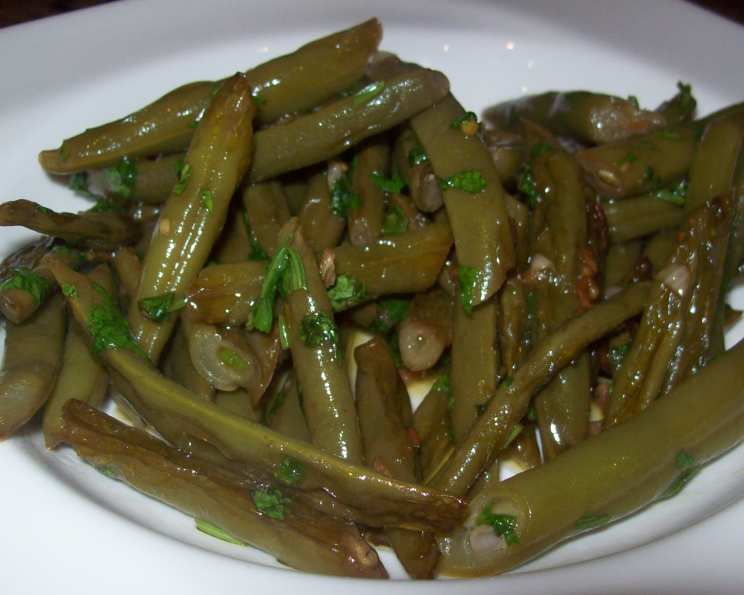
Fasoliyyeh Bi Zayt: A Taste of Syrian Sunshine
The aroma of sizzling green beans, kissed by the warmth of olive oil and the sharp zest of garlic, transports me back to my grandmother’s small kitchen in Aleppo. It wasn’t a grand affair, just a humble space filled with the comforting hum of conversation and the promise of simple, honest food. Fasoliyyeh bi Zayt was a regular on her table, a testament to the Syrian knack for coaxing incredible flavor from the most basic ingredients. I remember watching her, her hands steady as she’d toss the beans in the pot, a twinkle in her eye as she’d say, “These beans hold the summer’s goodness, my dear.” This dish, more than any other, embodies that pure, unadulterated essence of home for me.
Recipe Overview
- Prep Time: 15 minutes
- Cook Time: 30 minutes
- Total Time: 45 minutes
- Servings: 4
- Yield: Varies based on bean quantity
- Dietary Type: Vegan, Dairy-Free
Ingredients
This recipe celebrates the purity of its components, allowing each to shine. The key is to use good quality ingredients, especially the olive oil and fresh garlic.
- 1 (16 ounce) package frozen cut green beans
- 1⁄4 cup extra virgin olive oil
- Salt, to taste
- 1 garlic clove, minced
- 1⁄4 cup fresh cilantro, chopped
Ingredient Notes:
While this recipe calls for frozen green beans, you can certainly use fresh. If opting for fresh, trim the ends and cut them into 2-inch lengths. You’ll likely need about 1 pound of fresh beans. The quality of your olive oil will significantly impact the final flavor; a robust, peppery extra virgin olive oil will lend a wonderful depth.
Equipment Needed
The beauty of Fasoliyyeh bi Zayt lies in its simplicity, requiring minimal specialized equipment.
- A large pot with a lid
- Measuring cups and spoons
- Knife and cutting board (for garlic and cilantro)
Instructions
The process for making Fasoliyyeh bi Zayt is wonderfully straightforward, designed to draw out the natural sweetness of the beans while infusing them with aromatic flavors.
-
Begin by placing the frozen cut green beans into a large pot.
-
Drizzle the extra virgin olive oil over the beans.
-
Season generously with salt to your preference. It’s important to season well at this stage as the beans absorb a lot of salt.
-
Put the lid on the pot.
-
Cook over medium-high heat, stirring occasionally, until the beans are cooked to your desired doneness.
The Syrians have a particular preference for how these beans are cooked, aiming for a texture that is tender yet still retains a slight bite, often described as turning a bit brownish in color. The intention here is not to sauté them in the traditional sense, developing a crispy exterior, but rather to allow them to steam in the moisture released by the ice crystals in the frozen beans. This gentle cooking method helps to preserve their vibrant color and natural sweetness. You’ll want to monitor them closely; as the beans thaw and cook, they will release their own liquid, which will combine with the olive oil to create a luscious base.
-
Once the beans have reached your preferred tenderness, add the minced garlic and the chopped fresh cilantro to the pot.
-
Continue to cook, stirring gently, just until the cilantro has started to wilt. This should only take a minute or two; you want to preserve its fresh, herbaceous flavor without overcooking it.
Expert Tips & Tricks
Elevate your Fasoliyyeh bi Zayt with these insights from years spent in the kitchen.
- The Olive Oil Embrace: Don’t be shy with the olive oil. It’s the heart of this dish, not just a cooking medium, but a flavor enhancer. A good quality extra virgin olive oil will provide a peppery bite and fruity notes that are essential to the authentic taste.
- The “Brownish” Hue: This is crucial for the authentic Syrian preparation. The beans aren’t meant to be bright green and crisp. The slight browning indicates that the natural sugars in the beans have begun to caramelize, adding a depth of sweetness and a rich, earthy undertone. Trust the process, even if it looks a little different from your typical steamed or sautéed beans.
- Garlic Bloom: Adding the garlic towards the end prevents it from burning and becoming bitter. Its potent aroma will infuse the beans beautifully in those final moments.
- Cilantro’s Quick Kiss: Cilantro wilts very quickly. Adding it at the very end ensures its bright, fresh flavor remains vibrant and doesn’t get lost in the cooking process.
- Taste and Adjust: Always taste and adjust the salt before serving. Frozen beans can sometimes be a little bland, and proper salting is key to bringing out all the flavors.
Serving & Storage Suggestions
Fasoliyyeh bi Zayt is incredibly versatile, fitting seamlessly into various meal settings.
This dish is traditionally served warm. It’s often enjoyed as a main course, scooped up with warm, soft pita bread, allowing you to capture every last drop of the flavorful olive oil and bean juices. It also shines as a vibrant side dish, complementing grilled meats, chicken, or fish, adding a burst of freshness and earthy flavor to any spread.
Storage:
Leftovers can be stored in an airtight container in the refrigerator for up to 3 days. The flavors tend to meld and deepen overnight, making it just as delicious the next day.
Reheating:
To reheat, gently warm the beans in a pot over low heat, adding a tiny splash of water or olive oil if they seem a bit dry. Alternatively, you can reheat them in a microwave-safe dish until warmed through. Avoid overcooking during reheating, as this can make the beans mushy.
Nutritional Information
This is an estimate and can vary based on exact ingredient brands and quantities.
| Nutrient | Amount per Serving (approx.) | % Daily Value |
|---|---|---|
| Calories | 165 kcal | 8% |
| Total Fat | 13.8 g | 18% |
| Saturated Fat | 1.9 g | 10% |
| Cholesterol | 0 mg | 0% |
| Sodium | 4.3 mg | <1% |
| Total Carbohydrate | 8.8 g | 3% |
| Dietary Fiber | 3 g | 11% |
| Sugars | 2.5 g | 5% |
| Protein | 2.1 g | 4% |
Note: This calculation is based on approximate values for a single serving of the recipe as written, excluding any optional additions or accompaniments like pita bread.
Variations & Substitutions
While the classic Fasoliyyeh bi Zayt is perfect as is, there’s always room for creative interpretation.
- Fresh Beans: If you have access to beautiful fresh green beans, by all means, use them! Trim the ends and cut them into uniform lengths before proceeding with the recipe.
- A Touch of Onion: For an added layer of flavor, you can sauté a small, finely chopped onion in the olive oil for a few minutes before adding the green beans. Cook until softened and translucent.
- Spicy Kick: A pinch of red pepper flakes added with the garlic can provide a subtle warmth.
- Lemon Zest: A whisper of lemon zest added at the very end can brighten the dish and add a beautiful aromatic note.
FAQs
Q: Why are the beans supposed to turn brownish?
A: This indicates that the natural sugars in the beans have begun to caramelize, adding a deeper, sweeter flavor and a characteristic texture sought after in authentic Syrian cooking, rather than a crisp sauté.
Q: Can I use fresh garlic instead of pre-minced?
A: Absolutely! Freshly minced garlic will always offer the most vibrant flavor. Just ensure it’s finely minced so it disperses evenly.
Q: What kind of olive oil is best for this dish?
A: A good quality, robust extra virgin olive oil is recommended. Its peppery and fruity notes are integral to the dish’s authentic flavor profile.
Q: How do I know when the beans are cooked “to their desired doneness” as the recipe suggests?
A: The beans should be tender but still have a slight bite, not mushy. Syrian tradition often involves a slight browning, indicating they’ve cooked through and softened. Taste a bean to check for tenderness.
Q: Can I make this dish ahead of time?
A: Yes, Fasoliyyeh bi Zayt can be made ahead and gently reheated. The flavors often meld beautifully overnight.
Final Thoughts
Fasoliyyeh bi Zayt is more than just a recipe; it’s a culinary embrace from the heart of Syrian cuisine. It’s a dish that speaks of simplicity, of savoring the natural bounty of the earth, and of the profound joy found in sharing good food. Whether you’re enjoying it as a light main with warm pita, or as a vibrant accompaniment to a larger meal, I encourage you to embrace its humble elegance. It’s a dish that, with its honest flavors and straightforward preparation, has a way of bringing warmth and sunshine to any table. I’d love to hear about your experience creating and enjoying this delightful dish!