
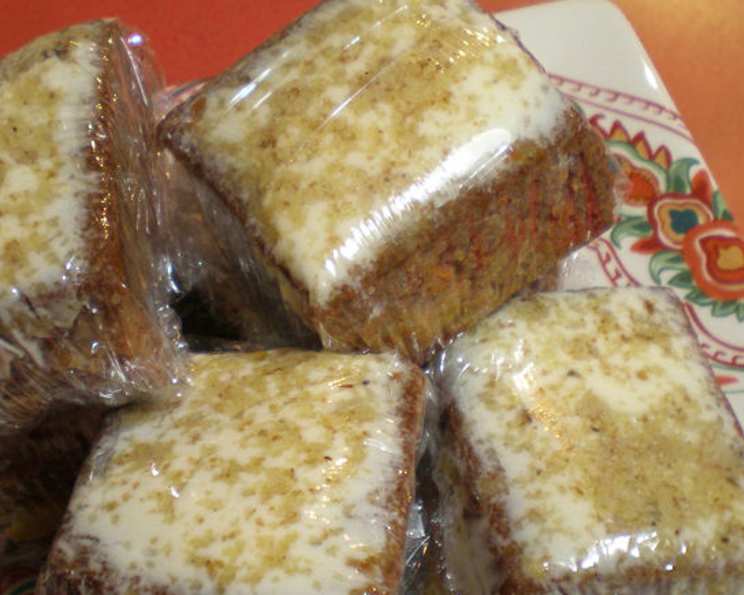
A Lighter Slice of Heaven: My Guilt-Free Carrot Cake
There are some bakes that just feel like home, aren’t there? For me, that’s a perfectly spiced carrot cake, the kind that promises moist crumb and warming cinnamon notes with every bite. I remember my grandmother’s kitchen, a haven of delicious aromas, where this very cake, or a close relative, was a frequent guest. While her version was undeniably decadent, a little too much for my waistline these days, I’ve always yearned for that comforting flavor profile in a lighter package. This recipe is my answer to that longing – a delightful creation that offers all the beloved characteristics of a classic carrot cake, but with a clever twist that significantly reduces the fat and calories, proving that indulgence and health can indeed coexist on the same plate.
Recipe Overview
- Prep Time: 15 minutes
- Cook Time: 55 minutes
- Total Time: 1 hour 10 minutes
- Servings: 16
- Yield: 1 (13×9 inch) cake
- Dietary Type: Can be adapted
Ingredients
This recipe embraces the power of wholesome ingredients to deliver incredible flavor and texture with a lighter footprint.
- 3 large eggs
- 90 ml applesauce (unsweetened is ideal)
- 90 ml vegetable oil (or 90 ml butter, melted)
- 180 ml buttermilk
- 250 ml granulated sugar
- 250 ml Splenda (or use an additional 250 ml granulated sugar if preferred)
- 10 ml baking soda (equivalent to 2 teaspoons)
- 2 ml salt (equivalent to 1/2 teaspoon)
- 10 ml ground cinnamon (equivalent to 2 teaspoons)
- 2 ml ground nutmeg (equivalent to 1/2 teaspoon)
- 500 ml all-purpose flour
- 250 ml crushed pineapple, drained
- 500 ml grated carrots (about 3-4 medium carrots)
- 180 ml flaked coconut
- Optional: 1 cup (approximately 100-120g) walnuts, chopped
Equipment Needed
- Large mixing bowl
- Whisk or electric mixer
- Measuring cups and spoons
- Spatula
- 13×9 inch baking pan
- Parchment paper (optional, for lining)
- Cooling rack
Instructions
Let’s get baking! Follow these steps for a wonderfully moist and flavorful carrot cake that’s surprisingly light.
-
Preheat and Prepare: Begin by preheating your oven to 350°F (175°C). Next, prepare your 13×9 inch baking pan. You can either grease it thoroughly or line it with parchment paper, ensuring the paper extends slightly up the sides for easy removal.
-
Wet Ingredients Foundation: In a generous large bowl, whisk together the eggs, applesauce, vegetable oil (or melted butter), and buttermilk. Ensure these are well combined and smoothly blended.
-
Sweeteners and Dry Essentials: Now, it’s time to introduce the sweeteners. Add the granulated sugar and Splenda (if using) to the wet mixture. Follow this by incorporating the baking soda, salt, ground cinnamon, and ground nutmeg. Whisk everything together until just blended.
-
Flour Integration: Gradually add the all-purpose flour to the bowl. Mix until the flour is just incorporated. Be careful not to overmix at this stage; a few small lumps are perfectly fine.
-
Flavorful Additions: Gently fold in the drained crushed pineapple, the grated carrots, and the flaked coconut using a spatula. If you’re including the optional walnuts, now is the time to mix them in as well. Mix everything thoroughly to distribute the ingredients evenly throughout the batter.
-
Bake to Perfection: Pour the batter into your prepared 13×9 inch pan, spreading it evenly. Bake in the preheated oven for precisely 55 minutes.
-
Cool and Finish: Once the baking time is complete, remove the cake from the oven. Allow it to cool in the pan for a few minutes before transferring it to a cooling rack to cool completely. Once cooled, you can glaze or frost the cake as desired.
Expert Tips & Tricks
Creating a lighter carrot cake doesn’t mean sacrificing flavor or texture. Here are a few seasoned chef insights to elevate your bake:
- The Power of Applesauce: Unsweetened applesauce is a star ingredient here, providing moisture and a subtle sweetness without the added fat of more oil or butter. Ensure it’s well-integrated into the wet ingredients for a uniform crumb.
- Carrot Prep Matters: For the best texture, grate your carrots using the fine side of a box grater. This ensures they’ll soften beautifully during baking and distribute evenly. If you have a food processor, a quick pulse can also achieve a fine shred.
- Buttermilk Magic: Don’t skip the buttermilk! Its slight acidity reacts with the baking soda to create a tender crumb, and it adds a subtle tang that complements the spice. If you don’t have buttermilk, you can easily make a substitute by adding 1 tablespoon of lemon juice or white vinegar to 1 cup of milk and letting it sit for 5-10 minutes.
- Gentle Mixing: Remember, with most cakes, especially those with leavening agents, overmixing can lead to a tough texture. Mix just until ingredients are combined.
- Doneness Test: To check if your cake is done, insert a wooden skewer or toothpick into the center. If it comes out clean with no wet batter clinging to it, your cake is ready. A few moist crumbs are perfectly acceptable.
- Optional Additions: While walnuts are a classic pairing, feel free to experiment with other additions like raisins (about 1 cup, soaked briefly in warm water if you prefer them softer) or even a touch of shredded unsweetened apple.
Serving & Storage Suggestions
This lighter carrot cake is wonderful served on its own, allowing the natural flavors to shine. For a touch of elegance, a light cream cheese glaze or a dusting of powdered sugar works beautifully.
- At Room Temperature: Store the cake in an airtight container at room temperature for up to 2 days. If frosted, it’s best to store it in the refrigerator.
- Refrigeration: The cake will keep well in the refrigerator for up to 5 days. Ensure it’s covered to prevent it from drying out.
- Freezing: For longer storage, you can freeze the cake. Once completely cooled, wrap it tightly in plastic wrap, then in aluminum foil, or place it in a freezer-safe container. It will keep for up to 3 months. Thaw overnight in the refrigerator before serving.
Nutritional Information
This table provides estimated nutritional values. Remember that actual values can vary based on specific ingredients and preparation methods.
| Nutrient | Amount per Serving | % Daily Value |
|---|---|---|
| Calories | ~224 kcal | |
| Total Fat | ~7.2 g | 11% |
| Saturated Fat | ~2 g | 10% |
| Cholesterol | ~35.3 mg | 11% |
| Sodium | ~267.3 mg | 11% |
| Total Carbohydrate | ~38 g | 12% |
| Dietary Fiber | ~1.6 g | 6% |
| Total Sugars | ~20.8 g | 83% |
| Protein | ~3.6 g | 7% |
Note: Calories and sugar content will be higher if using only granulated sugar instead of Splenda.
Variations & Substitutions
While this recipe is fantastic as is, there’s always room for a personal touch.
- Gluten-Free: For a gluten-free version, substitute the all-purpose flour with a good quality gluten-free all-purpose flour blend. You may need to slightly adjust the liquid content if the blend is very absorbent.
- Dairy-Free: To make this dairy-free, use a plant-based milk for the buttermilk substitute (e.g., almond or soy milk with added lemon juice/vinegar) and opt for vegetable oil instead of butter.
- Spice it Up: Enhance the spice profile by adding a pinch of ground ginger or allspice along with the cinnamon and nutmeg.
- Citrus Zest: A teaspoon or two of finely grated orange zest or lemon zest can add a lovely brightness that cuts through the sweetness and spice.
FAQs
Q: Why does this recipe use both applesauce and oil/butter?
A: The combination provides the moisture from applesauce while still allowing for the richness and tenderizing effect that fats bring to baked goods.
Q: Can I use regular milk instead of buttermilk?
A: Yes, you can make a buttermilk substitute by adding 1 tablespoon of lemon juice or white vinegar to 180 ml of regular milk and letting it stand for 5-10 minutes.
Q: How can I ensure my carrot cake is moist?
A: Grating the carrots finely and not overmixing the batter are key. The applesauce also plays a significant role in maintaining moisture.
Q: Can I use different sweeteners?
A: Yes, you can use all granulated sugar if you prefer, or explore other sugar substitutes. Adjust amounts based on the sweetness intensity of your chosen alternative.
Q: My cake came out a bit dry, what could have gone wrong?
A: Overbaking is the most common culprit for dry cake. Ensure you bake only for the specified time and use the toothpick test to confirm doneness. Overmixing can also contribute to a drier texture.
A Slice of Comfort, Redefined
This fat and calorie-reduced carrot cake is more than just a recipe; it’s a testament to how we can enjoy our favorite indulgences with a mindful approach. It’s a cake that brings warmth, comfort, and a touch of nostalgia to your table, without the heavy burden of excessive calories. I encourage you to bake this, share it with loved ones, and savor each light yet satisfying bite. It pairs beautifully with a cup of herbal tea or a light coffee. Let me know how it turns out – I’m always eager to hear about your baking adventures!