
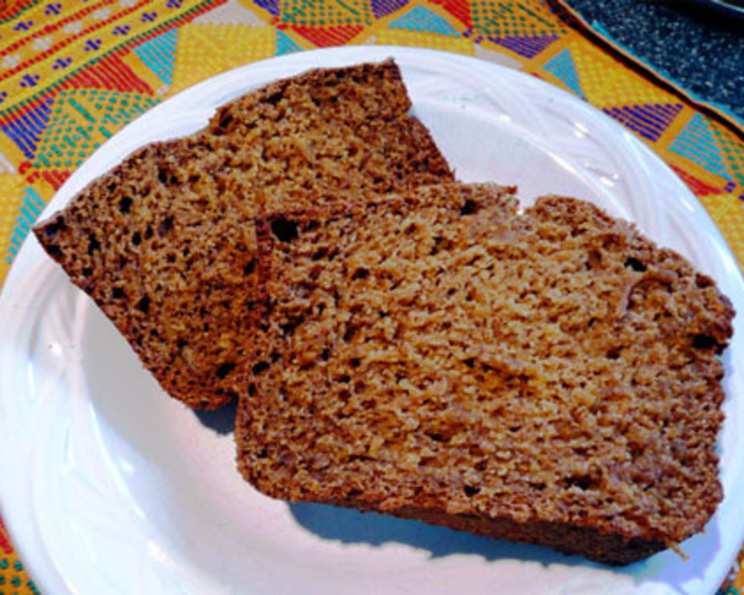
Fat-Free, Dairy-Free, and Utterly Delicious Sweet Potato Bread
There’s something undeniably comforting about a slice of warm, spiced sweet bread. For me, it conjures up memories of crisp autumn afternoons spent in my grandmother’s kitchen, the air thick with the scent of cinnamon and roasted root vegetables. She had a knack for transforming humble ingredients into edible magic, and this sweet potato bread, with its naturally moist crumb and subtly sweet flavor, is a direct descendant of that heartwarming culinary lineage. It’s the kind of bread that doesn’t need butter or frosting to shine, a testament to the power of simple, wholesome ingredients.
Recipe Overview
- Prep Time: 15 minutes
- Cook Time: 60 minutes
- Total Time: 1 hour 15 minutes
- Servings: 12 slices
- Yield: 1 loaf
- Dietary Type: Fat-Free, Dairy-Free
Ingredients
This recipe celebrates the natural sweetness and moisture of sweet potatoes, enhanced by classic baking spices.
- 1 ½ cups whole wheat flour (or all-purpose flour if you prefer)
- ½ teaspoon salt
- 1 teaspoon baking soda
- ½ cup brown sugar
- ½ cup sugar substitute, granulated (Splenda granulated is a good option)
- 1 cup sweet potato puree (achieved by over-baking a sweet potato until tender, then processing it until smooth)
- ½ cup applesauce
- ½ cup egg substitute (or 2 large eggs)
- ¼ cup maple syrup (sugar-free is recommended for this recipe)
- 1 teaspoon vanilla extract
- ½ – 1 teaspoon ground cinnamon (optional, adjust to your preference)
- ½ teaspoon ground nutmeg (optional)
- ½ teaspoon maple extract (optional)
Equipment Needed
- Measuring cups and spoons
- Large mixing bowl
- Medium mixing bowl
- Whisk
- Spatula or wooden spoon
- Loaf pan (standard size, approximately 9×5 inches)
- Cooking spray or parchment paper for lining the pan
- Toothpick or skewer for testing doneness
- Wire cooling rack
Instructions
Crafting this delightful sweet potato bread is a straightforward process, designed to bring out the best in its wholesome ingredients.
- Preheat Your Oven and Prepare the Pan: Begin by preheating your oven to 350°F (175°C). Lightly grease your loaf pan with cooking spray or line it with parchment paper to ensure the bread doesn’t stick.
- Combine the Dry Ingredients: In a medium mixing bowl, whisk together the whole wheat flour, salt, and baking soda. Then, stir in the brown sugar and granulated sugar substitute. Ensure these dry ingredients are thoroughly combined.
- Combine the Wet Ingredients: In a larger mixing bowl, whisk together the sweet potato puree, applesauce, maple syrup, and vanilla extract. If you are using the optional cinnamon, nutmeg, and maple extract, add them to this wet mixture now and whisk to incorporate.
- Combine Wet and Dry Mixtures: Add the dry ingredient mixture to the wet ingredient mixture. Mix everything together with a spatula or wooden spoon until just combined. Be careful not to overmix; a few small lumps are perfectly fine. Overmixing can lead to a tough bread.
- Pour and Bake: Pour the batter evenly into your prepared loaf pan. Place the loaf pan in the preheated oven.
- Bake Until Done: Bake for 60 minutes, or until a toothpick inserted into the center of the loaf comes out clean. The baking time may vary slightly depending on your oven, so keep an eye on it. If the top starts to brown too quickly, you can loosely tent it with aluminum foil for the remainder of the baking time.
- Cool the Bread: Once baked, carefully remove the loaf pan from the oven. Allow the bread to cool in the pan for about 10-15 minutes before attempting to remove it.
- Complete Cooling: Gently invert the loaf onto a wire cooling rack and allow it to cool completely before slicing. This is crucial for the texture and to prevent the bread from crumbling when sliced.
Expert Tips & Tricks
- Sweet Potato Puree Perfection: For the smoothest sweet potato puree, I find it best to bake the sweet potato whole until very soft—almost falling apart. Then, scoop out the flesh and process it in a food processor or blender until completely smooth. This eliminates any fibrous bits and ensures a consistent texture in your bread. You can even bake extra sweet potatoes when you’re making another meal and freeze the puree for future baking projects.
- The Art of Not Overmixing: It bears repeating: overmixing can toughen gluten development in the flour, leading to a dense and chewy bread. Once the dry ingredients are added to the wet, mix until you just no longer see streaks of dry flour. Gentle folding is key here.
- Sugar Substitute Savvy: When using sugar substitutes like Splenda, be aware that they can sometimes bake differently than traditional sugar. Granulated forms tend to work best in baked goods for a similar texture. If you’re using a liquid sweetener, you might need to adjust other liquid ingredients slightly.
- Optional Flavor Boost: The optional spices and maple extract are wonderful for adding depth. Don’t shy away from them if you enjoy those warm, cozy flavors. Start with the lower end of the cinnamon range if you’re unsure, and you can always add more next time.
Serving & Storage Suggestions
This sweet potato bread is a marvel in its simplicity. It’s delicious served slightly warm or at room temperature. For an extra touch of comfort, a light dusting of powdered sugar (if you’re not strictly avoiding it) or a drizzle of sugar-free maple syrup can be delightful.
- Room Temperature Storage: Once completely cooled, store the bread in an airtight container or wrap it tightly in plastic wrap and then in foil. It will keep well at room temperature for 2-3 days.
- Refrigerator Storage: For longer storage, place the bread in an airtight container and refrigerate. It should stay fresh for up to 5-7 days.
- Freezer Storage: This bread freezes beautifully. Wrap it tightly in plastic wrap, then in aluminum foil, or place it in a freezer-safe bag. It can be frozen for up to 2-3 months. To thaw, simply unwarp and let it come to room temperature, or warm it gently in a low oven or toaster oven.
Nutritional Information
Here’s an approximate nutritional breakdown for one slice of this fat-free, dairy-free sweet potato bread. Please note that this can vary based on specific ingredient choices, particularly the sugar substitute and egg substitute used.
| Nutrient | Amount per Serving | % Daily Value |
|---|---|---|
| Calories | 164 kcal | |
| Total Fat | 0.4 g | 0% |
| Saturated Fat | 0.1 g | 0% |
| Cholesterol | 0 mg | 0% |
| Sodium | 244 mg | 10% |
| Total Carbohydrate | 38 g | 12% |
| Dietary Fiber | 2 g | 8% |
| Total Sugars | 20 g | |
| Protein | 4 g | 7% |
Note: The “Sugars” value reflects both naturally occurring sugars and added sugars. The percentages are based on a 2,000-calorie diet.
Variations & Substitutions
While this recipe is perfectly delicious as is, here are a few ideas to customize it to your liking:
- Gluten-Free Twist: For a gluten-free version, you can experiment with a good quality gluten-free all-purpose flour blend. You might need to adjust the liquid slightly, as different GF blends absorb moisture differently.
- Nutty Addition: Fold in ½ cup of chopped nuts (like walnuts or pecans) for added texture and flavor.
- Fruitful Fun: Add ½ cup of raisins or dried cranberries for bursts of chewy sweetness.
- Spice It Up: Increase the cinnamon to 1 teaspoon or add ¼ teaspoon of ground ginger and a pinch of ground cloves for a more robust spice profile.
FAQs
Q: Can I use fresh sweet potato instead of puree?
A: Yes, you can! The recipe calls for 1 cup of sweet potato puree, which you can make by baking or boiling a sweet potato until very tender and then mashing or processing it until smooth. Ensure it’s pureed without any added ingredients.
Q: What kind of egg substitute is recommended?
A: A commercial egg replacer designed for baking works well. Alternatively, you can use 2 large eggs if you are not looking for an egg-free option.
Q: My bread is browning too quickly on top. What should I do?
A: This is a common issue. If you notice the top browning too rapidly, loosely tent the loaf pan with aluminum foil for the remaining baking time. This will shield the top from direct heat while allowing the inside to cook through.
Q: Can I use a different type of flour?
A: The recipe suggests whole wheat flour for added fiber and a slightly heartier texture, but all-purpose flour is a perfectly acceptable alternative if you prefer a lighter crumb.
Q: How do I know when the bread is fully baked?
A: The most reliable test is the toothpick method. Insert a toothpick or a thin skewer into the center of the loaf. If it comes out clean with no wet batter clinging to it, the bread is done.
Final Thoughts
This fat-free, dairy-free sweet potato bread is a testament to the fact that healthy baking doesn’t mean sacrificing flavor or satisfaction. It’s a versatile loaf that’s perfect for breakfast, a light snack, or even a simple dessert. I encourage you to bake a batch and experience its wonderfully moist texture and comforting aroma for yourself. It pairs beautifully with a warm cup of herbal tea or a robust black coffee. Don’t hesitate to share your creations and any delightful variations you discover!