
Festive Gruyère Fondue: A Celebration in a Pot
The scent of melting cheese, the gentle clinking of forks against ceramic, and the shared laughter around a bubbling pot – these are the sensory hallmarks of a truly memorable gathering. For me, Gruyère fondue isn’t just a dish; it’s a warm embrace on a chilly evening, a centerpiece for boisterous debates, and the silent architect of countless cherished memories. I recall one particularly blustery December night, snow swirling outside, when a spontaneous fondue party erupted. The golden, nutty aroma of the Gruyère filled my small kitchen, chasing away the cold and knitting us closer. Dipping crusty bread into that rich, molten embrace felt like pure magic, a simple yet profound act of shared joy that perfectly encapsulated the spirit of the season. It’s this feeling of warmth, connection, and delicious indulgence that I hope to share with you today.
Recipe Overview
- Prep Time: 15 minutes
- Cook Time: 10 minutes
- Total Time: 25 minutes
- Servings: 16
- Yield: Fondue
- Dietary Type: Vegetarian
Ingredients
This classic Gruyère fondue relies on a few key ingredients to achieve its signature silky texture and nutty, slightly sweet flavor.
- 1 tablespoon butter
- 2 tablespoons finely chopped shallots
- 1/2 cup dry white wine (a crisp, unoaked variety like Sauvignon Blanc or Pinot Grigio works best)
- 1/2 cup heavy cream
- 1 tablespoon cornstarch
- 1 lb Gruyère cheese, shredded (ensure it’s shredded just before use for the best melt)
- Salt, to taste
- Bread cubes, for serving (stale, crusty bread like baguette or ciabatta is ideal)
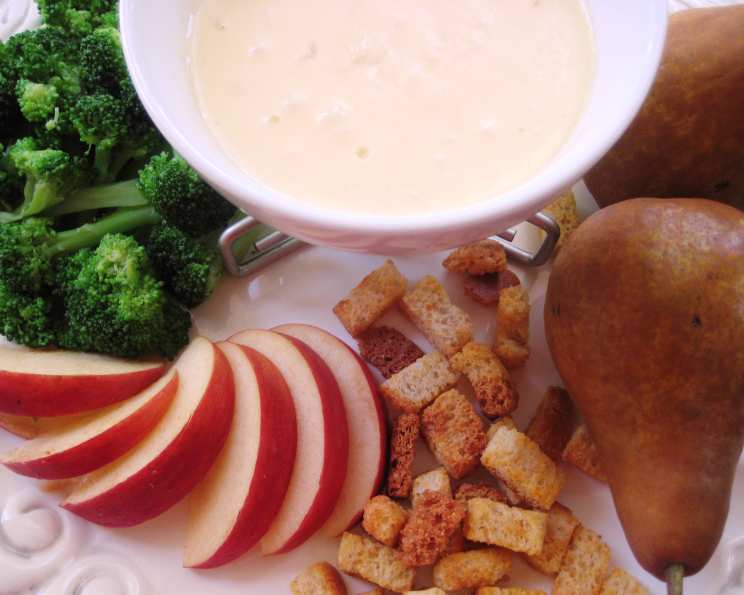
- Raw vegetables, for serving (a colorful assortment like broccoli florets, cauliflower florets, bell pepper strips, carrot sticks, and cherry tomatoes)
Equipment Needed
To create this delightful fondue, you’ll need a few essential kitchen tools:
- A heavy-bottomed saucepan for melting the cheese base.
- A fondue pot (either a ceramic or cast-iron fondue cooker) to keep the fondue warm at the table.
- A whisk for achieving a smooth mixture.
- A measuring cup and spoons.
- A cutting board and knife for preparing vegetables and bread.
Instructions
Crafting the perfect Gruyère fondue is a straightforward process, but attention to detail will ensure a lusciously smooth and flavorful result.
- Begin by melting the butter in a heavy-bottomed saucepan over low heat. You want a gentle melt, not a sizzle.
- Once the butter is melted, add the finely chopped shallots. Sauté them until they are soft and translucent, about 2-3 minutes. Avoid browning them; we’re looking for their subtle sweetness.
- Pour in the dry white wine. Increase the heat slightly and bring the mixture to a boil. Allow it to boil and reduce by half. This step concentrates the wine’s flavor and helps to cook off some of the alcohol.
- Reduce the heat back to low and simmer for 5 minutes. This allows the flavors to meld.
- In a small bowl, whisk together the cornstarch and the shredded Gruyère cheese. This ensures the cornstarch is evenly distributed and prevents lumps from forming in the fondue.
- Gradually add the cornstarch-cheese mixture to the saucepan, stirring constantly with a whisk. Continue to stir constantly as the cheese melts, ensuring a smooth, cohesive fondue. It is crucial to do not boil the fondue once the cheese is added; boiling can cause the cheese to separate and become stringy.
- Once the cheese is fully melted and the fondue is smooth and creamy, season with salt to taste. Start with a small pinch and add more as needed. Remember that Gruyère cheese is already quite flavorful, so taste before adding too much salt.
- Pour the mixture into your fondue pot. Make sure your fondue pot is set up according to its manufacturer’s instructions to maintain a gentle heat.
- Serve immediately with bread cubes for dipping, or an assortment of raw vegetables.
Expert Tips & Tricks
Achieving fondue perfection is all about understanding the nuances of melting cheese.
- Shred Your Own Cheese: Pre-shredded cheeses often contain anti-caking agents that can affect the melt. For the smoothest fondue, shred your Gruyère from a block just before you begin.
- Low and Slow is Key: The golden rule of fondue is never to boil it once the cheese is added. Overheating can cause the proteins in the cheese to tighten, leading to a grainy or stringy texture. Maintain a gentle simmer or low heat to keep it perfectly dippable.
- The Cornstarch Solution: Cornstarch is your best friend for a stable fondue. Mixing it with the cheese before adding it to the liquid ensures it disperses evenly and acts as a binder, preventing separation.
- Wine Matters: Choose a dry white wine that you would enjoy drinking. Its acidity helps to cut through the richness of the cheese and adds a bright note to the fondue. If you prefer not to use wine, a good quality chicken or vegetable broth can be a substitute, though it will alter the flavor profile slightly.
- Beyond Bread: While crusty bread is the quintessential fondue companion, don’t be afraid to experiment with other dippers. Roasted potato cubes, blanched asparagus spears, or even apple slices can be delightful additions.
Serving & Storage Suggestions
Fondue is best enjoyed fresh, straight from the fondue pot, but knowing how to handle leftovers is always helpful.
- Serving: Present the fondue pot at the center of your table with your chosen dippers arranged attractively around it. Encourage guests to share and dip! It’s a convivial way to eat that fosters conversation.
- Storage: If you have any leftover fondue, allow it to cool completely before transferring it to an airtight container. Store it in the refrigerator for up to 2 days.
- Reheating: To reheat, gently warm the fondue in a saucepan over low heat, stirring frequently. You may need to add a splash of white wine or cream to loosen it up and restore its smooth consistency. Avoid microwaving, as this can often result in uneven heating and a less desirable texture.
Nutritional Information
| Nutrient | Amount per Serving | % Daily Value |
|---|---|---|
| Calories | 158 kcal | |
| Calories from Fat | 113 kcal | |
| Total Fat | 12.6 g | 19% |
| Saturated Fat | 7.5 g | 37% |
| Cholesterol | 43.3 mg | 14% |
| Sodium | 103.8 mg | 4% |
| Total Carbohydrate | 1.2 g | 0% |
| Dietary Fiber | 0 g | 0% |
| Sugars | 0.2 g | 0% |
| Protein | 8.7 g | 17% |
(Note: Nutritional values are estimates and can vary based on specific ingredients and portion sizes used.)
Variations & Substitutions
While this classic Gruyère fondue is a star on its own, a few tweaks can elevate it further or cater to different tastes.
- Cheese Blends: For a more complex flavor, consider adding a portion of other good melting cheeses like Emmental, Appenzeller, or even a touch of sharp cheddar to your Gruyère. Just ensure you maintain the overall weight of cheese.
- Herbal Infusion: For a fragrant twist, you can add a sprig of fresh thyme or a bay leaf to the wine as it reduces, removing it before adding the cheese.
- A Touch of Spice: A pinch of freshly grated nutmeg or a whisper of white pepper can add a subtle warmth.
- Non-Alcoholic Option: If you prefer to omit the wine, you can substitute it with an equal amount of low-sodium vegetable broth or chicken broth. The flavor will be less complex, but still delicious.
FAQs
Q: Can I make the fondue ahead of time?
A: While fondue is best enjoyed fresh, you can prepare the base ingredients (shallots sautéed in butter) and store them separately in the refrigerator. Reheat them gently before adding the wine, cream, and cheese.
Q: My fondue looks a bit oily. How can I fix it?
A: If your fondue appears oily, it’s likely due to overheating. Try whisking in a teaspoon of cornstarch mixed with a tablespoon of cold water. Gently heat the fondue, stirring constantly, until it thickens and the oil reincorporates.
Q: What kind of bread is best for fondue?
A: Crusty, day-old bread is ideal because it holds its shape well and doesn’t become too mushy when dipped. Baguette, ciabatta, or a good sourdough are excellent choices. Cut it into bite-sized cubes and toast them lightly if desired.
Q: Is it okay to use different types of cheese?
A: Absolutely! While Gruyère is traditional for its nutty flavor and excellent melting properties, you can experiment with other firm, good-melting cheeses. Just be sure to choose cheeses that have a similar melting consistency to avoid issues.
Q: How do I keep my fondue warm at the table?
A: A dedicated fondue pot is designed for this purpose, using a small burner (fuel or electric) to maintain a gentle warmth. Ensure the heat is low enough to keep the fondue melted but not boiling.
Final Thoughts
There’s a certain primal satisfaction derived from gathering around a communal pot of melted cheese, isn’t there? It’s a culinary ritual that transcends mere sustenance, offering a delightful blend of comfort, connection, and pure gastronomic pleasure. This Festive Gruyère Fondue is more than just a recipe; it’s an invitation to slow down, to engage, and to savor the simple joys of good food shared with good company. So gather your friends, toast your bread, and prepare for an evening of warmth and delicious indulgence. Don’t hesitate to share your fondue creations and any delightful variations you discover; I’d love to hear about them!