
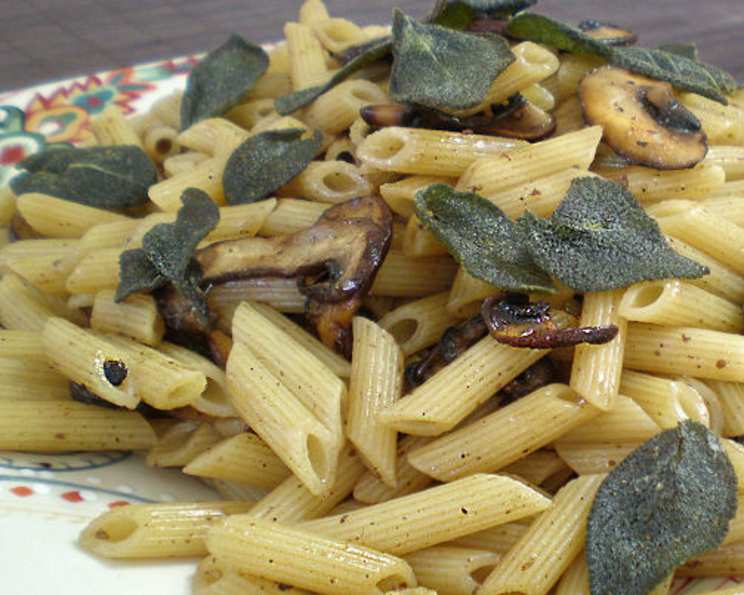
Fettuccine with Mushrooms and Fried Sage: A Symphony of Earthy Flavors
There are some dishes that, with a single bite, transport you back to a specific moment, a place, a feeling. For me, Fettuccine with Mushrooms and Fried Sage is one of those culinary anchors. I remember the first time I encountered this dish, not in a bustling trattoria, but in a small, sun-drenched kitchen in the Italian countryside. The air was thick with the scent of woodsmoke and damp earth, and as the sage leaves crisped in the pan, they released an aroma that was both comforting and exhilarating. It was a revelation – how such simple ingredients, treated with respect and care, could create a flavor profile so profound and deeply satisfying. The earthy robustness of the mushrooms, kissed by the high heat, combined with the fragrant, almost ethereal crunch of the fried sage, was a revelation that has stayed with me ever since.
Recipe Overview
- Prep Time: 15 minutes
- Cook Time: 30 minutes
- Total Time: 45 minutes
- Servings: 4-8
- Yield: N/A (A generous portion of pasta)
- Dietary Type: Vegetarian (Can be made vegan by omitting butter and using olive oil for frying sage and sautéing mushrooms)
Ingredients
- 4 tablespoons unsalted butter, divided
- 1 tablespoon olive oil
- 40-50 large fresh sage leaves
- 2 lbs mushrooms, sliced
- Salt and freshly ground black pepper, to taste
- 1 ½ cups beef broth
- 1 lb fresh fettuccine pasta
Equipment Needed
- Large skillet
- Tongs
- Paper towels
- Large pot
- Colander or spider strainer
- Warm serving bowl or platter
Instructions
- Begin by preparing the star aromatic: the fried sage. In a large skillet, melt 2 tablespoons of the unsalted butter with the olive oil over medium-low heat. This gentle heat is crucial for allowing the sage leaves to crisp without burning.
- Once the butter is melted and shimmering, carefully add the fresh sage leaves to the skillet. Fry them slowly, turning them occasionally with tongs. This process typically takes about 6 to 8 minutes, during which they will transform from pliable greens to brittle, fragrant crisps. Keep a watchful eye; they can go from perfectly fried to burnt in a matter of seconds.
- Using your tongs, carefully transfer the crispy sage leaves from the skillet to a plate lined with paper towels to drain. This step is essential for achieving that delightful crunch.
- Pour the fat from the skillet into a small bowl and reserve it; this infused butter will add incredible depth to the finished dish.
- Preheat your oven to its lowest setting. This might seem unusual, but it serves a practical purpose: to keep the sautéed mushrooms warm while you prepare the rest of the dish.
- Turn the heat under the skillet back up to high. Wait until the skillet is very hot.
- Add the sliced mushrooms to the screaming hot skillet. Don’t overcrowd the pan; you may need to do this in batches depending on the size of your skillet to ensure proper browning rather than steaming.
- As the mushrooms begin to cook and release their moisture, cut the remaining 2 tablespoons of unsalted butter into small pieces and add them to the skillet with the mushrooms. The butter will melt and help to create a rich coating and encourage browning.
- Season the mushrooms highly with salt and freshly ground black pepper. Don’t be shy with the seasoning; mushrooms are flavor sponges.
- Sauté the mushrooms over high heat, stirring occasionally, until they are sizzling, deeply browned, and have released most of their liquid. This should take approximately 15 minutes. The high heat is key to developing that sought-after caramelization and intense mushroom flavor.
- Once browned, transfer the sautéed mushrooms to a large, warm bowl. Place this bowl in the preheated oven (on its lowest setting) to keep them warm.
- Return the skillet to the high heat. Pour in the beef broth, scraping up any browned bits or particles clinging to the bottom of the pan with a wooden spoon. This process, known as deglazing, captures all the concentrated flavor.
- Simmer the beef broth over high heat until it has reduced by about half. This will intensify its flavor and create a slightly syrupy consistency. Once reduced, lower the heat to low and keep warm while you cook the pasta.
- Bring a large pot of generously salted water to a rolling boil. Add the fresh fettuccine pasta and cook according to package directions, or until al dente. Fresh pasta cooks very quickly, so keep a close eye on it.
- Drain the cooked pasta, reserving about ½ cup of the pasta cooking water, just in case you need it to loosen the sauce.
- Transfer the drained fettuccine directly into the skillet with the warm beef broth reduction.
- Add the reserved sage butter (the fat you poured off earlier) to the skillet with the pasta and broth.
- Toss the noodles vigorously to coat them evenly in the rich, savory sauce.
- Carefully add the warm mushrooms from the bowl into the skillet with the pasta and sauce.
- Toss everything together again, ensuring the mushrooms are beautifully distributed throughout the fettuccine. If the pasta seems a little dry, you can add a tablespoon or two of the reserved pasta cooking water to loosen it up.
- Transfer the fettuccine and mushroom mixture onto a warm platter.
- Generously top the pasta with the crispy fried sage leaves.
- Serve immediately, allowing your guests to experience the full symphony of flavors and textures.
Expert Tips & Tricks
- Mushroom Variety: For the most robust flavor, use a mix of mushrooms. A combination of cremini (baby bella), shiitake, and oyster mushrooms offers a delightful range of textures and earthy notes.
- Pan Heat is Key: The success of browning the mushrooms hinges on a very hot skillet. Ensure your pan is thoroughly preheated before adding them to achieve a beautiful sear and prevent them from becoming watery.
- Sage Crisping Control: When frying the sage, low and slow is the mantra. This gentle heat coaxes out their essential oils and allows them to become uniformly crisp without any bitter burnt edges.
- Deglazing Magic: Don’t skip deglazing the pan after sautéing the mushrooms. Those browned bits (fond) are pure flavor gold, and incorporating them into the broth creates a more complex and satisfying sauce.
- Pasta Water Reserve: Always reserve some pasta cooking water. The starch in this water acts as a natural emulsifier, helping to bind the sauce to the pasta and create a silkier texture, especially helpful if your sauce seems a bit too thick.
Serving & Storage Suggestions
This dish is best served immediately, while the fettuccine is perfectly al dente and the fried sage leaves are at their crispiest. Arrange the pasta on warm plates or a large platter, ensuring the mushrooms are evenly distributed. Garnish generously with the fried sage leaves just before serving for maximum visual and textural impact.
Leftovers can be stored in an airtight container in the refrigerator for up to 2 days. The fried sage leaves will lose their crispness upon refrigeration, so it’s best to store them separately if you plan to reheat. To reheat, gently warm the pasta and mushrooms on the stovetop over low heat, adding a splash of water or broth if needed. Top with freshly fried sage leaves for a touch of freshness.
Nutritional Information
| Nutrient | Amount per Serving (approx.) | % Daily Value |
|---|---|---|
| Calories | 515.2 kcal | |
| Calories from Fat | 18.5 g | |
| Total Fat | 18.5 g | 28% |
| Saturated Fat | 8.3 g | 41% |
| Cholesterol | 113.5 mg | 37% |
| Sodium | 377.3 mg | 15% |
| Total Carbohydrate | 69.6 g | 23% |
| Dietary Fiber | 2.3 g | 9% |
| Sugars | 4.5 g | 18% |
| Protein | 21 g | 42% |
Note: Nutritional information is an estimate and can vary based on specific ingredients and portion sizes.
Variations & Substitutions
- Mushroom Medley: Feel free to experiment with different mushroom varieties. Porcini mushrooms (fresh or rehydrated) would add an intense, woodsy flavor. King oyster mushrooms offer a meaty texture.
- Herbal Notes: While sage is traditional and spectacular, a few sprigs of fresh thyme or rosemary can be fried alongside the sage for an added layer of herbal complexity.
- Broth Boost: If you prefer a richer sauce, you can substitute half of the beef broth with a dry red wine and reduce it before adding the broth.
- Vegetarian Option: For a strictly vegetarian dish, use a high-quality vegetable broth instead of beef broth.
- Gluten-Free: Serve this dish with your favorite gluten-free pasta for a delightful gluten-free meal.
FAQs
Q: Can I use dried sage instead of fresh?
A: While fresh sage is highly recommended for its unique crisp texture and aroma, you can use dried sage by adding it to the butter and oil for the last minute of frying or directly into the sauce to infuse flavor. However, it will not achieve the same crispy texture.
Q: What kind of mushrooms are best for this recipe?
A: A mix of earthy mushrooms like cremini, shiitake, and oyster mushrooms offers the best depth of flavor and texture. Avoid very watery mushrooms like white button mushrooms if possible, as they may release too much liquid and prevent proper browning.
Q: How can I make sure the mushrooms get nice and browned?
A: The key is a very hot skillet and not overcrowding the pan. Ensure the skillet is shimmering hot before adding the mushrooms, and cook them in batches if necessary to allow them to sear properly.
Q: My sage leaves burned, what did I do wrong?
A: You likely had the heat too high. The sage needs to fry slowly and gently in the butter and oil to become crisp without burning. Reduce the heat to medium-low and keep a close eye on them.
Q: Can I make this dish ahead of time?
A: While it’s best enjoyed fresh, you can sauté the mushrooms and prepare the broth reduction ahead of time. Store them separately and reheat gently before cooking the pasta and combining. The fried sage is best made just before serving.
Final Thoughts
This Fettuccine with Mushrooms and Fried Sage is more than just a recipe; it’s an experience. It’s a testament to the power of simple, high-quality ingredients treated with care. The earthy, savory depth of the mushrooms, beautifully complemented by the rich broth reduction, is elevated by the surprising, aromatic crunch of the fried sage. It’s a dish that feels both elegant and rustic, perfect for a weeknight indulgence or a special gathering. I encourage you to embrace the process, savor the aromas as they fill your kitchen, and share this little piece of culinary magic with those you love. Perhaps serve it with a crisp green salad dressed with a light vinaigrette, or a glass of earthy Pinot Noir, to complete the symphony of flavors. Enjoy!