
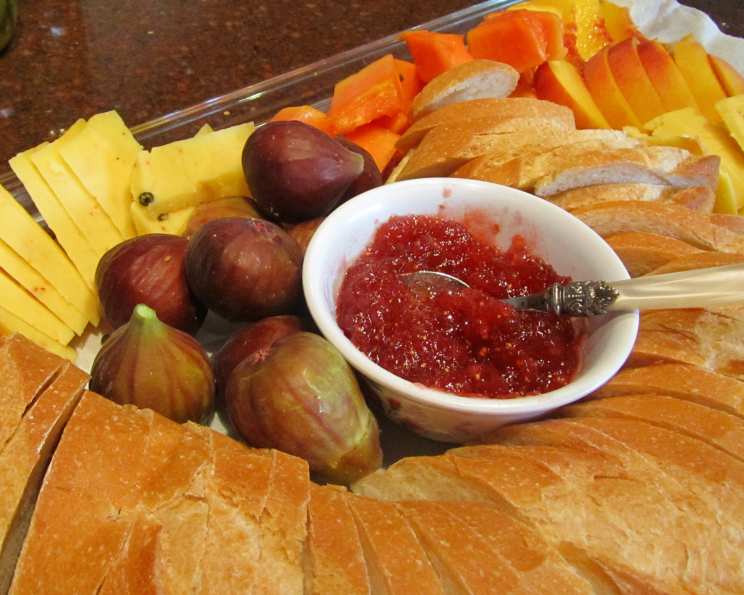
Figgy Jam: A Taste of Autumn’s Bounty
The air always shifts in late summer, carrying that subtle, sweet perfume of ripening figs. For me, it’s an olfactory cue, a whisper of cozy kitchens and the promise of preserves. I remember one particular year, my neighbor’s ancient fig tree, usually a generous producer, seemed to be having an off-season. Yet, a small basket of plump, amethyst-hued fruits arrived at my doorstep, a parting gift. That humble offering became the inspiration for this figgy jam. It’s more than just a condiment; it’s a concentrated essence of those fleeting, golden days, infused with warming spices and a bright citrus kiss that dances on the palate. Each spoonful is a reminder of shared bounty and the simple magic of turning humble fruit into something extraordinary.
Recipe Overview
- Prep Time: 25 minutes
- Cook Time: 35 minutes
- Total Time: 1 hour
- Servings: 160 servings (based on 1 tbsp serving size)
- Yield: 9 ½ pint jars
- Dietary Type: Preserved Fruit Spread
Ingredients
This jam is a delightful symphony of sweet figs, a touch of tart apple, and the vibrant zest of orange, all balanced with warming spices and the magic of pectin.
- 2 ½ pounds fresh figs, stems trimmed and chopped
- 1 apple, diced, with the core discarded
- 1 orange, peeled and seeds removed
- ¾ cup bottled lemon juice
- ½ to 1 teaspoon ground cinnamon (adjust to your preference)
- ½ teaspoon ground cardamom
- 1 ¾ ounces no-sugar-needed pectin
- 4 cups sugar
Equipment Needed
To embark on this jam-making adventure, you’ll want to have these tools at the ready:
- Food processor or blender
- Large, non-reactive pot (stainless steel or enamel is ideal)
- Measuring cups and spoons
- Sterilized jars and lids
- Canning funnel (optional, but helpful)
- Ladle
- A hot water canner or a large, deep pot with a rack
Instructions
Crafting this Figgy Jam is a rewarding process that transforms fresh fruit into a pantry staple. Follow these steps carefully for a delicious and well-preserved outcome.
-
Prepare the Fruit Base: Begin by pulsing the chopped fresh figs, the diced apple, and the peeled orange in a food processor until the mixture is semi-smooth. If you don’t have a food processor, you can do this in batches using a blender. You will need approximately 5 cups of this fruit puree for the jam.
-
Combine Initial Ingredients: Pour 5 cups of the prepared fruit puree into a large, non-reactive pot. Add the bottled lemon juice, cinnamon, cardamom, and the no-sugar-needed pectin. Stir these ingredients together thoroughly.
-
Bring to a Boil: Place the pot over medium-high heat and bring the mixture to a full rolling boil, stirring constantly to prevent any scorching or sticking to the bottom of the pot.
-
Add the Sugar: Once the mixture is at a rolling boil, add the sugar. Stir well to ensure it dissolves completely.
-
Achieve Setting Point: Bring the jam back to a full rolling boil. Continue to boil hard for 3 full minutes, stirring continuously. This crucial boiling period activates the pectin and ensures your jam will set properly.
-
Jar the Jam: Remove the pot from the heat. Carefully ladle the hot jam into sterilized jars, leaving ¼ inch of headspace at the top of each jar. Using a clean, damp cloth, wipe the rims of the jars to ensure a good seal. Place the sterilized lids on top and then screw on the jar bands.
-
Process for Preservation: Place the filled jars into a hot water canner filled with simmering water, ensuring the jars are covered by at least an inch of water. Process the jars for 10 minutes.
-
Cool and Seal: Carefully remove the jars from the canner using jar lifters. Place them on a towel-lined counter in a draft-free spot to cool completely. You should hear the lids “ping” as they seal.
-
Store: Once the jars have cooled and sealed, label them with the contents and date. Store your Figgy Jam in a dark, cool spot for optimal preservation.
Expert Tips & Tricks
- Fig Selection: For the best flavor and texture, choose ripe but firm figs. Overripe figs can lead to a softer jam.
- Pectin Nuances: The “no-sugar-needed” pectin is designed to work with the natural sugars in the fruit and added sugar. If you’re experimenting with significantly less sugar, you might need to adjust the pectin or accept a softer set.
- Sterilization is Key: Proper sterilization of your jars and lids is paramount for safe canning and ensuring your jam lasts. You can sterilize jars by running them through a hot dishwasher cycle or by boiling them in water. Lids usually just need to be sterilized by simmering them in water.
- Don’t Rush the Boil: That 3-minute hard boil after adding sugar is critical for the jam to set. Don’t be tempted to shorten this time.
- Headspace Matters: Leaving the correct headspace ensures a proper vacuum seal. Too little headspace can cause the jam to bubble out during processing, and too much can prevent a good seal.
Serving & Storage Suggestions
Figgy Jam is a versatile delight, perfect for elevating a variety of dishes. Spread it generously on buttered toast, scones, or croissants for a luxurious breakfast or afternoon tea. It’s a sophisticated addition to a cheese board, pairing beautifully with sharp cheddar, creamy brie, or salty goat cheese. For a savory twist, dollop it alongside pork roasts, duck confit, or grilled chicken. It also makes a stunning filling for cakes and cookies, adding a burst of sweet, spiced fig flavor.
Once properly processed and sealed, Figgy Jam can be stored in a cool, dark place for up to a year. Unopened jars will maintain their quality for this period. Once opened, store the jam in the refrigerator and consume within 3-4 weeks. It can also be frozen for longer storage, though texture might slightly change upon thawing.
Nutritional Information
This table provides an estimated nutritional breakdown for a 1-tablespoon serving of Figgy Jam. Please note that actual values may vary depending on the ripeness of the fruit and precise ingredient measurements.
| Nutrient | Amount per Serving | % Daily Value |
|---|---|---|
| Calories | 26 kcal | 1% |
| Total Fat | 0 g | 0% |
| Saturated Fat | 0 g | 0% |
| Cholesterol | 0 mg | 0% |
| Sodium | 0.3 mg | 0% |
| Total Carbohydrate | 6.7 g | 2% |
| Dietary Fiber | 0.3 g | 1% |
| Sugars | 6.3 g | 13% |
| Protein | 0.1 g | 0% |
(Note: % Daily Value is based on a 2,000 calorie diet.)
Variations & Substitutions
While this recipe is wonderfully balanced as is, feel free to explore these variations:
- Spicy Kick: Add a pinch of cayenne pepper or a few slivers of fresh ginger along with the other spices for a little heat.
- Boozy Infusion: For an adult twist, stir in a tablespoon or two of bourbon or brandy just before the final boiling stage.
- Berry Boost: Consider adding a handful of fresh raspberries or blackberries along with the figs for an extra layer of tartness and color.
- Herbaceous Notes: A sprig of fresh rosemary or thyme, added during the cooking process and then removed, can lend a subtle savory aroma.
FAQs
Q: Can I use dried figs instead of fresh figs for this recipe?
A: This recipe is specifically formulated for fresh figs. Using dried figs would alter the moisture content and likely require a different approach to achieve the correct consistency and setting point.
Q: My jam didn’t set. What could have gone wrong?
A: The most common reasons for jam not setting are insufficient boiling time, not reaching the correct temperature, or using old pectin. Ensure you boiled hard for the full 3 minutes after adding sugar and that your pectin is fresh.
Q: How do I know if my jars are properly sealed?
A: After cooling, the center of the lid should be concave (curved inward) and should not flex when pressed. If a lid is flexible or pops up and down, the jar has not sealed properly and should be refrigerated and used promptly.
Q: Can I make this jam without using pectin?
A: While it’s possible to make fig jam without added pectin, it requires a much longer cooking time to naturally reduce the liquid and concentrate the sugars to achieve a set. This recipe relies on pectin for a more reliable and quicker setting process.
Q: Is this jam suitable for canning if I don’t have a water canner?
A: While a water canner is the recommended method for safe, shelf-stable canning, you can also use a large, deep pot with a rack. Ensure the jars are fully submerged and process for the recommended time. However, the seal might be less reliable than with a dedicated canner.
Final Thoughts
There’s a profound satisfaction in opening a jar of homemade jam, the rich aroma a testament to your efforts. This Figgy Jam, with its sweet depth and warm spice undertones, is more than just a preserved fruit; it’s a vibrant memory captured in a jar. It’s a perfect companion for a crisp autumn morning or a delightful addition to any gathering. I encourage you to try this recipe, to taste the season, and to share the bounty with those you cherish. May your kitchen be filled with the comforting scent of simmering fruit and the joy of creating something truly special.