
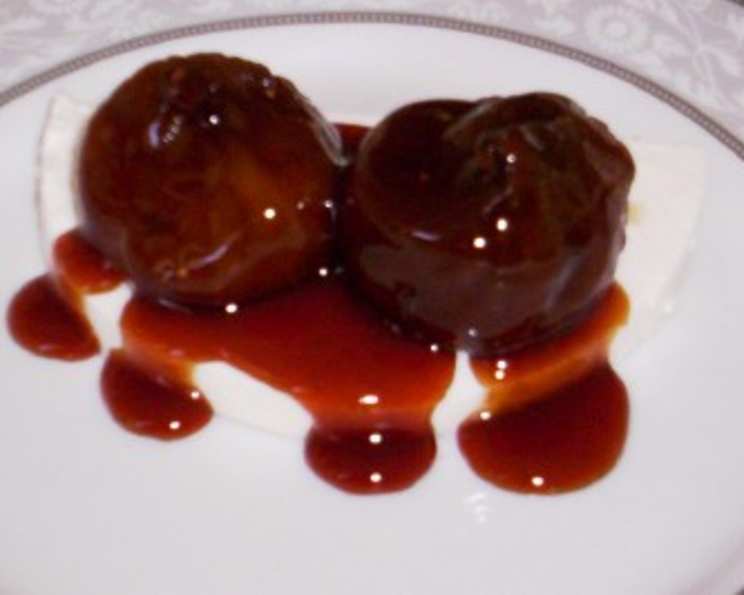
Figs in Mavrodaphne Wine with Manouri Cheese: A Taste of Athenian Elegance
There’s a certain magic that happens when the weather turns cooler, a culinary call to embrace deeper flavors and comforting textures. For me, that call often brings back vivid memories of my early days working in the kitchens of Athens. It was in those bustling, aromatic spaces that I first encountered this exquisite dessert. Picture this: the soft glow of a taverna, the murmur of contented diners, and then, the arrival of this dish. The figs, plump and glistening, bathed in a dark, wine-infused syrup, alongside cool, yielding rounds of manouri cheese, a whisper of mint, and a final flourish of honey. It was more than just food; it was an experience, a testament to the simple, profound beauty of Greek ingredients, and a lesson in how seemingly humble components can create something truly sublime.
Recipe Overview
- Prep Time: 1 hour 30 minutes (including soaking)
- Cook Time: 30 minutes
- Total Time: 2 hours 30 minutes
- Servings: 6
- Yield: A generous platter
- Dietary Type: Vegetarian (can be made vegan by omitting cheese)
Ingredients
This recipe celebrates the nuanced flavors of Greek produce and wine, focusing on quality and simplicity.
- 12 ounces dried Calimyrna figs (Greek variety is preferred for their characteristic sweetness and texture, but any good quality dried figs will work)
- 2/3 cup Mavrodaphne wine (or any sweet, red dessert wine like a port or a rich muscat; the darker and richer, the better for depth of flavor)
- 1 cinnamon stick
- 3-4 whole cloves
- 1/2 cup Greek thyme honey (the floral notes of thyme honey are exceptional here, but any good quality honey will do)
- 1 1/2 lbs fresh manouri cheese (This soft, slightly tangy, sheep’s milk cheese is traditional and offers a delicate counterpoint to the sweet figs. If unavailable, fresh ricotta is a decent substitute, though it will lack the unique character of manouri.)
- Fresh mint leaves (for garnish – more than just a garnish, they add a vital freshness)
- Greek thyme honey (for drizzling)
- Ground cinnamon (for dusting, optional)
Equipment Needed
While this dish is relatively straightforward, having the right tools will ensure a smooth preparation.
- A wide, heavy-bottomed saucepan
- A slotted spoon
- A fine-mesh sieve
- A large platter for serving
Instructions
The beauty of this dessert lies in its unhurried preparation, allowing the flavors to meld and develop beautifully.
- Begin by preparing the dried figs. Place them in a wide saucepan and cover them generously with hot water. This initial soaking is crucial for rehydrating the figs, ensuring they become plump and tender during poaching. Soak them for 1 hour. This might seem like a long time, but it’s an essential step for achieving the desired texture.
- After the soaking period, drain the figs, discarding the soaking water. Return the rehydrated figs to the same saucepan.
- Now, it’s time to infuse them with flavor. Pour in the Mavrodaphne wine and add the cinnamon stick and whole cloves. These spices will gently perfume the figs as they cook.
- Place the saucepan over medium-high heat and bring the mixture to a boil. Once boiling, reduce the heat to a gentle simmer. This slow simmering is key to tenderizing the figs without breaking them down. Simmer for about 30 minutes, or until the figs are very plump and tender. You should be able to easily pierce them with a fork.
- Carefully remove the poached figs from the liquid using a slotted spoon, setting them aside.
- Next, strain the poaching liquid through a fine-mesh sieve, discarding the cinnamon stick and cloves. It’s also important to strain out any seeds that may have naturally leaked from the figs during cooking. You want a smooth, flavorful syrup.
- Return the strained poaching liquid to the pot. Add the 1/2 cup of Greek thyme honey to the liquid.
- Bring the liquid back to a simmer over medium heat and boil gently until it has reduced and thickened to the consistency of syrup. This will take approximately 5-7 minutes. Keep a close eye on it; you don’t want it to become too thick and candy-like, just a rich, syrupy glaze.
- While the syrup is reducing, prepare the cheese. Slice the fresh manouri cheese into 1/2-inch rounds. Handle the cheese gently to keep the slices intact; they should be beautiful, delicate rounds.
- Arrange the manouri cheese slices on a large platter, creating one overlapping row. The slightly creamy, mild cheese will form a luxurious bed for the figs.
- Place the plumped, poached figs evenly over the manouri cheese slices.
- Pour the warm, reduced syrup generously over the figs and cheese. Ensure a good coating of the fragrant syrup.
- Serve immediately. This dish is best enjoyed warm, allowing the figs to contrast wonderfully with the cool cheese, all enveloped in that luscious syrup.
- As a final flourish, garnish with fresh mint leaves. Don’t be shy with the mint; its bright, aromatic quality cuts through the richness beautifully. If desired, you can also add a discreet pinch of ground cinnamon over the top for an extra layer of warmth and spice.
Expert Tips & Tricks
- Fig Selection: While Calimyrna figs are ideal, if you can’t find them, opt for other plump, naturally dried figs. Avoid those that are heavily processed or sulfured, as they won’t yield the same tender result.
- Wine Choice: The quality of your dessert wine significantly impacts the final flavor. A Mavrodaphne offers a unique, slightly resinous note that is characteristic of Greek desserts, but a good port or a robust sweet red will also be delicious.
- Syrup Consistency: The key to the syrup is achieving a rich, syrupy consistency without over-reducing it. It should coat the back of a spoon but still be pourable. If it gets too thick, a splash of water and a quick re-simmer can help.
- Cheese Presentation: For a more elegant presentation, you can lightly score the edges of the manouri rounds before arranging them.
- Mint’s Role: The fresh mint isn’t just for show. Its pungent aroma and flavor are essential for balancing the sweetness of the figs and honey, providing a refreshing contrast.
Serving & Storage Suggestions
This dessert is designed to be served immediately after preparation, allowing for the delightful interplay of warm figs and cool cheese.
- Serving: Present the platter at the table, encouraging guests to serve themselves, ensuring each portion includes a mix of figs, cheese, and plenty of syrup. The vibrant colors and fragrant aromas make for a beautiful centerpiece.
- Storage: Leftovers can be stored in an airtight container in the refrigerator for up to 2 days. The flavors will continue to meld, though the texture of the cheese might change slightly. Reheat gently in a low oven (around 300°F / 150°C) or on the stovetop over low heat until warmed through. Be mindful not to overheat, as this can make the cheese tough.
Nutritional Information
This estimation is based on typical ingredient values and may vary.
| Nutrient | Amount per Serving | % Daily Value |
|---|---|---|
| Calories | 488.2 kcal | |
| Total Fat | 27.8 g | 42% |
| Saturated Fat | 17.4 g | 87% |
| Cholesterol | 72.6 mg | 24% |
| Sodium | 1098.1 mg | 45% |
| Total Carbohydrate | 34.7 g | 11% |
| Dietary Fiber | 0.2 g | 1% |
| Sugars | 24.4 g | 97% |
| Protein | 22.5 g | 44% |
| Calories from Fat | ||
| Calories from Fat (%) | 249 g | 51% |
Variations & Substitutions
While this recipe is wonderful as is, a few adjustments can tailor it to different tastes and dietary needs.
- Vegan Adaptation: For a completely vegan dessert, omit the manouri cheese. Instead, serve the poached figs and syrup over a silken tofu-based panna cotta, or with a dollop of thick, unsweetened coconut yogurt.
- Nutty Crunch: A sprinkle of toasted walnuts or slivered almonds over the finished dish adds a delightful textural contrast.
- Citrus Zest: A strip of orange or lemon zest added to the poaching liquid can impart a subtle, bright citrus note that complements the figs.
FAQs
Q: Can I use fresh figs instead of dried ones?
A: While fresh figs can be used, the texture and flavor profile will be different. Dried figs are preferred for their concentrated sweetness and ability to absorb the wine and spices. If using fresh, poach them until tender but be aware they will break down more easily.
Q: How long should I soak the dried figs?
A: Soaking the dried figs for 1 hour in hot water is crucial to rehydrate them and ensure they become plump and tender during the poaching process.
Q: What if I don’t have Mavrodaphne wine?
A: Any sweet, red dessert wine will work. Port, Banyuls, or even a rich, sweet red wine like a late-harvest Zinfandel can be good substitutes.
Q: Can this dessert be made ahead of time?
A: The figs can be poached and the syrup made a day in advance. Store them separately in the refrigerator. Gently warm the figs and syrup before assembling and serving with fresh manouri cheese.
Q: Is manouri cheese essential for this recipe?
A: Manouri cheese provides a unique creamy tang that is characteristic of this dish. While fresh ricotta is a workable substitute, it will offer a milder flavor and a slightly different texture.
Final Thoughts
This dish is a celebration of patience and simple elegance. It’s a dessert that speaks of heritage, of the bounty of the land, and the joy of shared meals. I encourage you to try it, to savor the moment as the warm, wine-kissed figs meet the cool, delicate manouri cheese, all brought together by that luscious, spiced syrup. Serve it after a hearty meal, perhaps alongside a small glass of the very wine used in the poaching, and let its flavors transport you. It’s a true taste of Greece, a whispered story of Athenian tavernas, and a reminder that sometimes, the most profound culinary experiences come from the most beautifully simple preparations.