
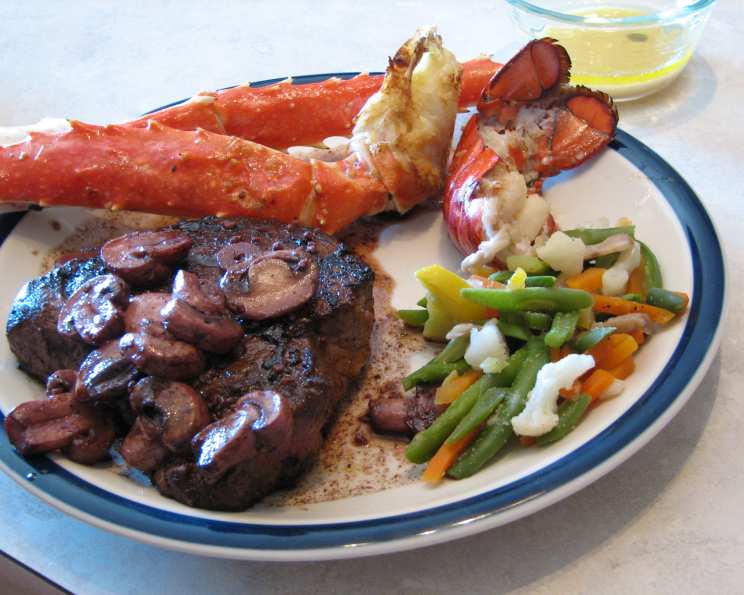
Filet Mignon with Cabernet Shallot Glaze: A Symphony of Flavor
There are certain dishes that, upon first encounter, etch themselves into your culinary memory forever. For me, that dish is Filet Mignon with a perfectly balanced Cabernet Shallot Glaze. I remember a special anniversary dinner at a dimly lit steakhouse years ago; the filet was cooked to an impeccable medium-rare, and the glaze, a deep ruby hue, coated the steak like liquid velvet. It wasn’t just food; it was an experience – a testament to how simple, high-quality ingredients, treated with respect, can create something truly sublime. That evening ignited a lifelong quest to recreate that magic at home, and after countless attempts, I’ve landed on this rendition, a recipe that captures that very essence of elegance and rich, layered flavor.
Recipe Overview
- Prep Time: 10 minutes
- Cook Time: 15 minutes
- Total Time: 25 minutes
- Servings: 4
- Yield: 4 filets
- Dietary Type: Gluten-Free (ensure wine is gluten-free if necessary for strict adherence)
Ingredients
This recipe calls for the finest ingredients to let the natural richness of the filet mignon shine through, complemented by the vibrant, complex glaze.
- 4 filet mignon steaks (approximately 6-8 ounces each)
- 2 tablespoons extra virgin olive oil
- 1 teaspoon coarse salt, divided
- ½ teaspoon fresh ground pepper, divided
- ¾ cup Cabernet Sauvignon wine
- 2-3 sprigs fresh thyme
- 1 shallot, about 2 inches in height, thinly sliced and quartered
- ½ teaspoon salt, for the glaze
- 5-7 baby portabella mushrooms, sliced (optional)
Equipment Needed
For this elegant preparation, you’ll primarily need a reliable, heavy-bottomed skillet and a few common kitchen tools.
- A large, heavy-bottomed skillet (cast iron or stainless steel is ideal)
- Tongs
- A plate or platter for resting the steaks
- A small saucepan or gravy boat for serving the glaze
Instructions
Crafting this dish is a straightforward, yet mindful, process. Each step is designed to build upon the last, creating layers of flavor and achieving that perfect steakhouse-quality result.
- Begin by preheating a large, heavy-bottomed skillet over medium-high heat. You’ll know the pan is hot enough when a few drops of water sizzle and evaporate almost instantly.
- Add the extra virgin olive oil to the heated skillet. Allow it to heat for just a few seconds; you want it shimmering but not smoking, as burnt oil can impart an undesirable flavor.
- Carefully place the filet mignon steaks into the hot skillet. The sizzle is a good sign! This initial high heat is crucial for searing the exterior of the steaks, creating a beautiful crust and locking in their natural juices and rich flavors.
- Sprinkle half of the coarse salt and half of the fresh ground pepper over the first side of the steaks. Feel free to adjust the seasoning to your personal preference, but remember you’ll be adding more salt to the glaze.
- After a couple of minutes, you should observe a lovely, deep brown sear on the bottom of the steaks.
- Using your tongs, flip the steaks over to sear the other side. Sprinkle the remaining coarse salt and fresh ground pepper on this second side.
- Allow this side to sear for another couple of minutes, mirroring the crust developed on the first side.
- Reduce the heat slightly to just below medium. This lower heat allows the steaks to cook through to your desired doneness without burning the exterior.
- Continue cooking the steaks, turning them occasionally with your tongs, until they reach your preferred level of doneness. For a perfect medium-rare, the internal temperature should be around 130-135°F (54-57°C). A small slit cut into the thinnest part of one of the steaks is a reliable way to check for doneness.
- As each steak finishes cooking, remove it from the skillet and place it on a large plate or platter. Tent loosely with foil to keep warm while you prepare the glaze.
- Once all steaks have been removed from the pan, turn the heat back up to medium-high.
- It’s time to deglaze the pan. Pour in the Cabernet Sauvignon wine. The wine should sizzle and steam vigorously as it meets the flavorful beef drippings left in the pan. This process will scrape up all those delicious browned bits from the bottom of the skillet, forming the base of your exquisite glaze.
- Add the chopped shallots to the pan. If you are using the optional baby portabella mushrooms, add them at this stage as well.
- Gently rub the sprigs of fresh thyme between your fingers to release their fragrant oils and small leaves, then add them to the pan.
- Stir in the ½ teaspoon of salt and any additional freshly ground pepper you desire for the glaze.
- Let the mixture simmer for a minute or two, allowing the ingredients to meld together beautifully and the shallots to become slightly translucent. The shallots are best when they still retain a bit of a delightful crunch.
- You’ll notice juices have collected on the plate with your steaks. To maximize flavor, press a spatula gently against the steaks to coax out any remaining juices, and then pour all of this accumulated liquid back into the skillet with the glaze.
- Simmer the glaze for another minute to further concentrate its flavors.
- Carefully pour the finished glaze into a serving dish, such as a gravy boat or a small pitcher.
- To serve, place the beautifully seared steaks on individual plates and pour a generous spoonful of the warm Cabernet Shallot Glaze over each one.
The leftover glaze is truly a treasure. It’s absolutely divine when used to sop up with good crusty bread. Enjoy every delicious bite!
Expert Tips & Tricks
Elevate your steak experience with these insider tips:
- Steak Selection: Always choose the highest quality filet mignon you can find. The marbling and tenderness of this cut are paramount to the success of this dish. Look for steaks that are uniformly thick, which ensures even cooking.
- Pan Temperature is Key: Don’t rush the pan preheating. A screaming hot pan is essential for that perfect, flavorful sear. If you’re unsure, test with a tiny drop of water – it should evaporate in a flash.
- Resting is Non-Negotiable: Allowing the steaks to rest after cooking is as important as the cooking itself. This allows the juices to redistribute throughout the meat, resulting in a more tender and moist steak. Aim for at least 5-10 minutes.
- Wine Choice Matters: While any Cabernet Sauvignon will work, a wine you would enjoy drinking will result in a more flavorful glaze. Avoid “cooking wines” as they often contain added salt and preservatives.
- Mushroom Magic: If you opt for the mushrooms, slicing them thinly ensures they cook quickly and absorb the flavors of the glaze beautifully. They add a wonderful earthy depth.
Serving & Storage Suggestions
This Filet Mignon with Cabernet Shallot Glaze is best served immediately after preparation to ensure the steaks are perfectly cooked and the glaze is warm and vibrant.
- Presentation: Arrange the rested steaks on warm plates. Spoon the glistening glaze generously over the top of each steak, allowing it to cascade down the sides. A sprinkle of fresh parsley or chives can add a lovely touch of color. This dish pairs wonderfully with classic steakhouse sides like creamy mashed potatoes, roasted asparagus, or a crisp Caesar salad.
- Storage: Leftover filet mignon and glaze can be stored separately in airtight containers in the refrigerator for up to 2-3 days. The steak will lose some of its optimal texture upon reheating, so it’s best enjoyed fresh.
- Reheating Steak: For best results, gently reheat the steak in a skillet over low heat with a splash of water or beef broth, or in a moderate oven (around 300°F/150°C). Avoid microwaving, as this can toughen the meat. The glaze can be gently reheated on the stovetop.
Nutritional Information
Here’s an approximate nutritional breakdown for a single serving of Filet Mignon with Cabernet Shallot Glaze. Please note that these values are estimates and can vary based on specific ingredient brands, steak size, and cooking oil absorption.
| Nutrient | Amount per Serving | % Daily Value |
|---|---|---|
| Calories | 450 kcal | 23% |
| Total Fat | 25g | 32% |
| Saturated Fat | 8g | 40% |
| Cholesterol | 100mg | 33% |
| Sodium | 600mg | 26% |
| Total Carbohydrate | 8g | 3% |
| Dietary Fiber | 1g | 4% |
| Sugars | 4g | 4% |
| Protein | 35g | 70% |
Note: Nutritional values are estimates and exclude optional mushrooms.
Variations & Substitutions
While this recipe is a classic for a reason, feel free to explore some delightful variations:
- Herbal Infusion: Experiment with other fresh herbs like rosemary or a combination of thyme and rosemary for a different aromatic profile in your glaze.
- A Touch of Sweetness: For a slightly sweeter glaze, a teaspoon of honey or brown sugar can be added during the simmering process.
- Wine Alternatives: If Cabernet Sauvignon isn’t your preference, a Merlot or a dry red wine can be used. For a non-alcoholic version, use a good quality beef broth combined with a splash of balsamic vinegar for acidity.
- Spice It Up: Add a pinch of red pepper flakes to the glaze for a subtle kick.
FAQs
- Q: What is the best way to ensure my filet mignon is cooked to the right temperature?
A: Using an instant-read meat thermometer is the most reliable method. For medium-rare, aim for an internal temperature of 130-135°F (54-57°C). - Q: Can I make the Cabernet Shallot Glaze ahead of time?
A: Yes, the glaze can be made a day in advance and gently reheated on the stovetop before serving. - Q: My steaks seem to be cooking too quickly on the outside before reaching my desired doneness. What should I do?
A: Ensure you are reducing the heat after the initial sear. If they are still cooking too fast, you can finish them in a preheated oven at 350°F (175°C) until they reach the desired temperature. - Q: What makes this dish gluten-free?
A: The core ingredients – filet mignon, olive oil, salt, pepper, thyme, shallots, and naturally gluten-free Cabernet Sauvignon – make this dish inherently gluten-free. Always check wine labels if you have strict gluten sensitivities. - Q: How can I prevent the shallots from burning during the deglazing process?
A: Ensure the heat isn’t too high when you add the shallots. They should soften and become translucent, not char. If they seem to be cooking too quickly, reduce the heat further.
Final Thoughts
This Filet Mignon with Cabernet Shallot Glaze is more than just a recipe; it’s an invitation to create memorable moments around the table. The simplicity of the ingredients belies the complexity of the flavors, resulting in a dish that feels both luxurious and approachable. Whether you’re celebrating a special occasion or simply indulging in a well-deserved treat, this steak is sure to impress. I encourage you to try it, experiment with the optional mushrooms if you’re feeling adventurous, and perhaps share your culinary triumphs with loved ones. Pour a glass of your favorite Cabernet Sauvignon, savor each bite, and let the rich, satisfying flavors transport you.