
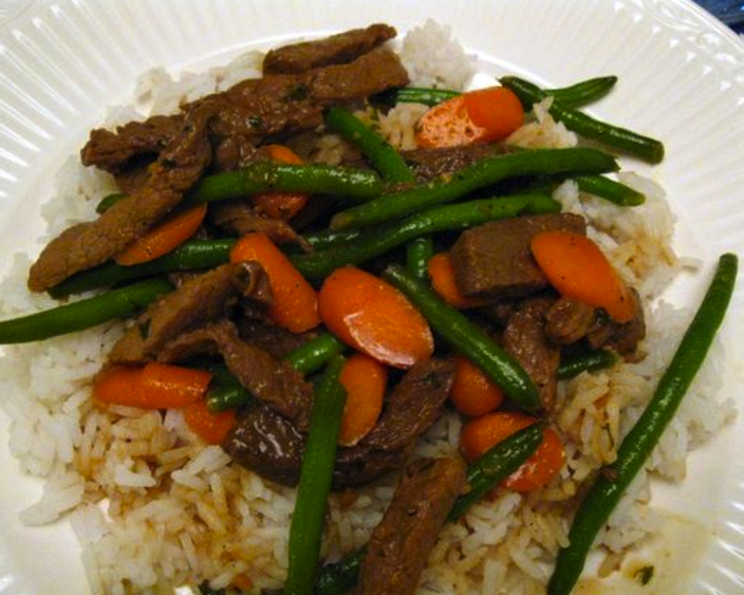
Bistek Tagalog: A Filipino Culinary Embrace of Comfort and Flavor
Growing up, the aroma of Bistek Tagalog simmering on the stove was a sure sign that a comforting evening was on the horizon. It wasn’t just a meal; it was a warm hug in a bowl, a dish that spoke of family gatherings and simple, profound pleasures. I remember my mother meticulously slicing the onions, her movements precise and practiced, as the savory, citrusy scent of the marinade began to fill our small kitchen. Each time we enjoyed it, it felt like a culinary homecoming, a taste of tradition that grounded me.
Recipe Overview
- Prep Time: 15 minutes
- Cook Time: 45 minutes
- Total Time: 1 hour
- Servings: 6
- Yield: Enough for 6 servings
- Dietary Type: Contains Soy, Not Vegan, Not Vegetarian
Ingredients
- 3 lbs of cube steak
- 6 garlic cloves, minced
- 2 tablespoons lemon juice
- 1/3 cup soy sauce
- 1 pinch pepper
- 1 cup water
- 1 pinch MSG (optional, for enhanced umami)
- 3 tablespoons cornstarch, mixed with 1/4 cup of water (for thickening)
- 1 medium onion, sliced (optional)
- 1/2 cup carrot, sliced (optional)
- 1/2 cup string green beans, fresh (optional)
Equipment Needed
- Large skillet or Dutch oven
- Cutting board
- Chef’s knife
- Measuring cups and spoons
- Small bowl (for cornstarch slurry)
- Whisk or fork (for cornstarch slurry)
- Tongs or spoon (for stirring)
Instructions
- In a large skillet or Dutch oven, combine the water, cube steak, garlic cloves (minced), lemon juice, soy sauce, pepper, and MSG (if using).
- Bring the mixture to a boil over medium-high heat, ensuring everything is well mixed.
- Once boiling, reduce the heat to low, cover the skillet, and let it simmer gently for about 30 to 45 minutes. The goal here is for the liquid to reduce by half and for the cube steak to become tender.
- If you are using the optional vegetables, add the sliced onion, carrot, and string green beans during the last 10-15 minutes of the simmering time, or until they are tender to your liking.
- In a small bowl, whisk together the cornstarch and the 1/4 cup of water until you have a smooth slurry with no lumps.
- Gradually add the cornstarch and water mixture to the simmering liquid in the skillet, stirring constantly. Continue to cook and stir until the liquid thickens to the consistency of a thin gravy.
- Serve the Bistek Tagalog hot, ideally with freshly steamed jasmine rice to soak up all the delicious sauce.
Expert Tips & Tricks
The beauty of Bistek Tagalog lies in its simplicity, but a few chef’s touches can elevate it further. For instance, ensuring your cube steak is thinly sliced is paramount. If you buy it pre-cut, a quick pass through the freezer for about 20-30 minutes can make it easier to slice even thinner with a sharp knife, though this isn’t necessary if it’s already well-tenderized. When searing the meat, don’t overcrowd the pan; if you’re making a larger batch and your skillet isn’t big enough, sear in batches to ensure a good sear rather than steaming the meat. This adds an extra layer of flavor and texture.
The lemon juice is crucial for its bright, tangy counterpoint to the savory soy sauce. Don’t skimp on it, but also don’t go overboard to the point where it becomes overwhelmingly sour. The simmering time is flexible; check the tenderness of the beef periodically. If the liquid reduces too quickly before the beef is tender, you can add a little more water or broth, about 1/4 cup at a time.
When it comes to the optional vegetables, the onions are classic and contribute a sweet depth as they soften. The carrots add a touch of sweetness and color, while green beans offer a nice crisp-tender contrast. Add them towards the end so they retain some of their vibrancy and texture.
For that signature thin gravy consistency, it’s best to add the cornstarch slurry gradually while stirring. This prevents lumps and allows you to control the thickness. You want it to coat the back of a spoon, not to be overly gloppy.
Serving & Storage Suggestions
Bistek Tagalog is best served immediately while it’s hot and the sauce is at its luscious, gravy-like consistency. The classic pairing is with a generous portion of fluffy, steamed jasmine rice. The rice acts as a perfect canvas to absorb the rich, savory, and slightly tangy sauce. A simple side of sliced tomatoes or a refreshing cucumber salad can offer a nice fresh counterpoint to the richness of the dish.
Leftovers can be stored in an airtight container in the refrigerator for up to 3-4 days. The flavors often meld and deepen overnight, making it just as delicious, if not more so, the next day. When reheating, it’s best to do so gently on the stovetop over low heat, stirring occasionally. If the sauce has thickened too much in the fridge, you can add a tablespoon or two of water or broth to loosen it up to your desired consistency. Microwaving is also an option, but be sure to stir halfway through to ensure even heating. Freezing is generally not recommended, as the texture of the meat and sauce can be compromised upon thawing.
Nutritional Information
Here’s an estimated breakdown of the nutritional content per serving:
| Nutrient | Amount per Serving | % Daily Value |
|---|---|---|
| Calories | 434.2 kcal | |
| Calories from Fat | ||
| Total Fat | 13.3 g | 20% |
| Saturated Fat | 5 g | 25% |
| Cholesterol | 179.2 mg | 59% |
| Sodium | 1033.3 mg | 43% |
| Total Carbohydrate | 5.9 g | 1% |
| Dietary Fiber | 0.2 g | 1% |
| Sugars | 0.4 g | 1% |
| Protein | 68.6 g | 137% |
Note: Nutritional information is an estimate and can vary based on specific ingredients and quantities used.
Variations & Substitutions
While this recipe adheres to a traditional approach, there’s always room for personal touches. If you’re looking for a gluten-free version, ensure your soy sauce is tamari or another gluten-free alternative. For those who prefer not to use MSG, simply omit it; the dish will still be wonderfully flavorful.
Some home cooks enjoy adding a splash of vinegar (like white vinegar or apple cider vinegar) along with the lemon juice for an extra layer of acidity. Others might add a touch of brown sugar to the simmering liquid to balance the saltiness of the soy sauce and the tang of the lemon, though this is not traditional.
For a richer sauce, you could try reducing the initial water quantity slightly and substituting some of it with beef broth for a deeper beef flavor. However, the classic preparation relies on water to keep the flavor profile clean and focused on the soy and lemon.
FAQs
Q: What is cube steak, and why is it used in Bistek Tagalog?
A: Cube steak is a cut of beef, typically from the round, that has been mechanically tenderized through pounding or rolling. Its tender texture makes it ideal for quick cooking and absorbing marinades, making it perfect for dishes like Bistek Tagalog where the beef is simmered.
Q: Can I use a different cut of beef?
A: While cube steak is traditional, thinly sliced sirloin or flank steak can be used, though they might require a slightly different cooking time to achieve tenderness. Ensure they are sliced very thinly against the grain.
Q: How can I make the sauce thicker if it’s too thin?
A: If the sauce isn’t thickening enough after adding the cornstarch slurry, you can create another small slurry (1 tablespoon cornstarch with 2 tablespoons water) and add it gradually while stirring and simmering until the desired consistency is reached.
Q: Is it necessary to add MSG?
A: MSG is optional and is used to enhance the umami flavor. The dish is delicious without it, but if you’re looking to boost that savory depth, it can be a nice addition.
Q: Can I prepare Bistek Tagalog ahead of time?
A: Yes, the flavors actually meld and improve when made a day in advance. Simply reheat gently on the stovetop, adding a splash of water if the sauce has thickened too much.
Final Thoughts
Bistek Tagalog is more than just a recipe; it’s a culinary embrace, a dish that consistently delivers comfort and satisfaction. It’s a testament to how a few simple, quality ingredients, handled with care, can create something truly memorable. I encourage you to bring this taste of the Philippines into your home, to savor its rich, uncomplicated flavors, and to create your own comforting memories around the dinner table. Serve it with pride, share it with loved ones, and let the aroma of this beloved Filipino classic fill your kitchen with warmth.