
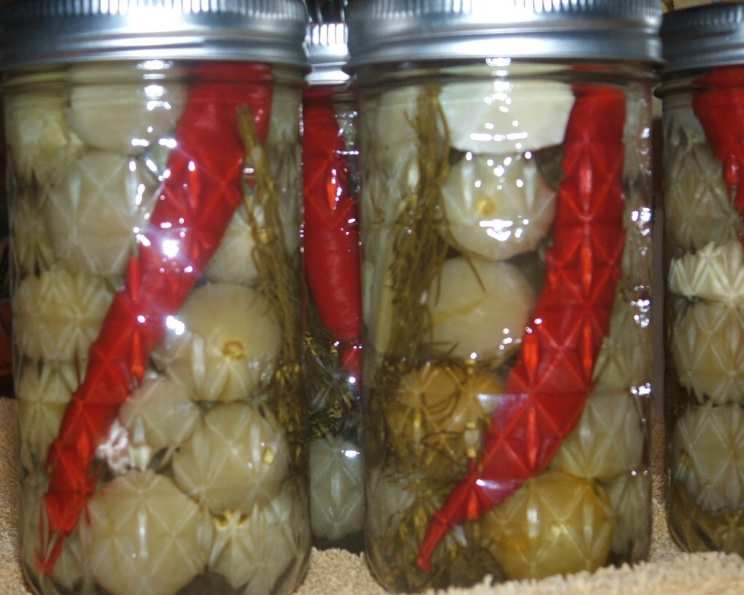
Fire Balls: A Fiery Taste of West Virginia
There’s a certain thrill that comes from a perfectly preserved bite of summer, a burst of flavor that transports you back to sun-drenched days and bustling kitchens. For me, that thrill is intrinsically linked to the scent of vinegar and dill, a potent combination that signals the arrival of my grandmother’s homemade pickles. This recipe for “Fire Balls,” shared with me from Maggie Hennessey’s “A Taste of West Virginia,” evokes that very same nostalgic comfort, but with an exciting kick. Imagine plump cherry tomatoes, transformed into vibrant little orbs of spicy, tangy goodness, ready to awaken your palate. It’s a testament to the ingenuity of home cooks, transforming simple, abundant produce into something truly extraordinary and enduring.
Recipe Overview
- Prep Time: Not specified, but likely involves washing and preparing ingredients.
- Cook Time: 10 minutes (processing time)
- Total Time: Approximately 30 minutes (plus cooling and resting time)
- Servings: 4 quarts
- Yield: 4 quarts
- Dietary Type: Vegan, Gluten-Free, Dairy-Free
Ingredients
This recipe calls for a bounty of fresh produce and pantry staples, perfect for preserving the season’s harvest.
- 14 lbs small green cherry tomatoes
- 4 cloves garlic
- 4 stalks celery
- 4 hot red peppers
- 4 heads dill
- 1 quart water
- 1/2 cup pickling salt
- 2 quarts white vinegar
Ingredient Notes:
- Green Cherry Tomatoes: It’s crucial to use unripe, green cherry tomatoes for this recipe. Their firm texture and slightly tart flavor are essential for the final product.
- Hot Red Peppers: The number of hot peppers can be adjusted to your personal spice preference. For a milder flavor, you can remove the seeds and membranes from the peppers before adding them.
- Dill: Fresh dill heads provide a wonderful aromatic quality. If fresh dill is unavailable, dill seed can be used, though the aroma might be slightly different.
Equipment Needed
- Large stockpot or canning pot with a rack
- 4-quart jars (or equivalent smaller jars) with lids and bands
- Large mixing bowls
- Sharp knife
- Cutting board
- Ladle
- Tongs or jar lifters
- Measuring cups and spoons
Instructions
Preserving these “Fire Balls” is a straightforward process, perfect for a weekend canning project. Ensure your jars and lids are clean and sterilized before you begin.
- Prepare the Jars: Pack 3 1/2 pounds of cherry tomatoes into each of your clean, hot quart jars. This will ensure you have enough tomatoes for each jar.
- Add Aromatics: To each quart jar, add 1 clove of garlic, 1 celery stalk, 1 hot red pepper, and 1 head of dill. Distribute these aromatics evenly among the jars.
- Create the Brine: In a separate pot, combine 1 quart of water, 1/2 cup of pickling salt, and 2 quarts of white vinegar.
- Boil the Brine: Bring the brine mixture to a boil.
- Fill the Jars: Carefully ladle the hot brine into the jars, ensuring the ingredients are covered. Leave approximately 1/2 inch of headspace from the top of the jar.
- Process the Jars: Place the filled jars into your boiling water bath canner. Ensure the water level is at least an inch above the jar lids. Process for 10 minutes in a boiling water bath.
- Cool and Seal: Carefully remove the jars from the canner using tongs or a jar lifter. Place them on a towel-lined counter to cool completely, undisturbed. You should hear the lids “pop” as they seal.
Chef’s Tip for Processing: For safe canning, it’s essential to maintain a rolling boil throughout the entire 10-minute processing time. If your stove’s heat fluctuates, you may need to adjust the heat to ensure a consistent boil.
Expert Tips & Tricks
Transforming these cherry tomatoes into preserved delights is an art, and a few tips can elevate your results. When selecting your green cherry tomatoes, look for firm, unblemished fruits. Any soft spots could compromise the preservation process. For the hot red peppers, if you prefer a milder heat, consider using just the pepper skin and seeds, or opting for a less intensely spicy variety. The dill heads are crucial for their aromatic contribution, but if you find them difficult to source, a tablespoon of dried dill weed can be substituted, though the fresh heads offer a more robust flavor. When packing the jars, don’t be afraid to gently tamp down the cherry tomatoes to ensure they fit snugly, but avoid crushing them. This will allow for optimal brine coverage.
Serving & Storage Suggestions
These “Fire Balls” are incredibly versatile. Once properly sealed and cooled, they can be stored in a cool, dark pantry for up to a year. Before serving, drain them well from the brine. They are a fantastic addition to any charcuterie board, adding a pop of color and a zesty kick. Chop them finely and mix them into potato salad or pasta salad for an unexpected burst of flavor. They also make a delightful accompaniment to grilled meats and seafood, or simply enjoyed straight from the jar as a spicy, briny snack.
For optimal freshness and flavor, store sealed jars in a cool, dry, and dark place. Once opened, refrigerate the jar and consume the contents within 2-3 weeks.
Nutritional Information
Here’s an estimated nutritional breakdown for a serving of these “Fire Balls,” assuming a standard serving size based on the total yield. Please note that these are approximate values and can vary based on the exact size and composition of the ingredients used.
| Nutrient | Amount per Serving | % Daily Value |
|---|---|---|
| Calories | 414.5 kcal | |
| Calories from Fat | ||
| Total Fat | 3.5 g | 5 % |
| Saturated Fat | 0.8 g | 3 % |
| Cholesterol | 0 mg | 0 % |
| Sodium | 14291.3 mg | 595 % |
| Total Carbohydrate | 72.9 g | 24 % |
| Dietary Fiber | 20.4 g | 81 % |
| Sugars | 46.9 g | 187 % |
| Protein | 15.3 g | 30 % |
Note: The high sodium content is typical of preserved foods due to the use of salt in the brine.
Variations & Substitutions
While this recipe is a classic for a reason, there’s always room for culinary creativity!
- Spicy Kick: For an even fiercer “Fire Ball,” consider adding a few dried chili flakes to the jar alongside the fresh peppers. You could also experiment with different varieties of hot peppers like jalapeños or even habaneros for a truly intense heat.
- Herbal Infusion: Beyond dill, experiment with other herbs that pair well with pickled flavors. A sprig of fresh thyme or a few peppercorns (black, pink, or a mix) can add an interesting layer of complexity.
- Garlic Intensity: If you love garlic, feel free to add an extra clove or two to each jar. Slicing the garlic cloves before adding them can also help infuse more flavor into the brine.
- Vinegar Blend: While white vinegar is standard for pickling, you could experiment with a blend of white and apple cider vinegar for a slightly fruitier note. However, for consistent pickling results, stick with white vinegar.
FAQs
Q: Why do I need to use green cherry tomatoes instead of ripe ones?
A: Unripe green cherry tomatoes are firmer and have a lower sugar content, which is crucial for maintaining their texture and preventing them from becoming mushy during the canning process.
Q: How do I know if my jars have sealed properly?
A: After cooling, the center of the lid should be concave (curved inward) and should not flex when pressed. If a lid has not sealed, refrigerate the jar immediately and consume its contents within a few weeks.
Q: Can I use regular table salt instead of pickling salt?
A: It’s best to use pickling salt or canning salt. Table salt often contains anti-caking agents and iodine, which can cause cloudiness in the brine and affect the flavor and appearance of the pickles.
Q: What is “headspace” and why is it important?
A: Headspace is the empty space between the top of the food and the lid of the jar. Maintaining the correct headspace (1/2 inch in this recipe) is essential for creating a vacuum seal during processing. Too little headspace can lead to siphoning of liquid, and too much can prevent a proper seal.
Q: How long can I expect these “Fire Balls” to last?
A: Properly processed and sealed jars can last for up to a year in a cool, dark pantry. Once opened, they should be refrigerated and consumed within 2-3 weeks.
Final Thoughts
The joy of canning lies in capturing the essence of a season and savoring it long after the growing days have passed. These “Fire Balls” are more than just pickled tomatoes; they are a vibrant testament to the simple elegance of home preservation, infused with a delightful warmth that will brighten any meal. I encourage you to gather your ingredients, embrace the canning process, and discover the unique pleasure these spicy gems offer. Serve them with a robust cheese, a crisp cracker, or alongside your favorite barbecue – you’ll find they have a way of making every occasion a little more exciting. Happy canning!