
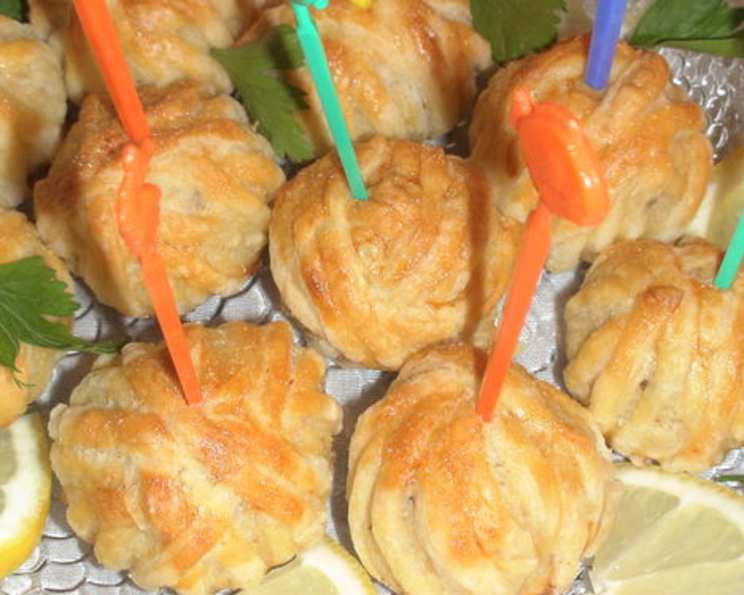
The Humble Fish Ball: A Culinary Gem Reimagined
There’s something undeniably comforting about a well-made fish ball. For me, it conjures memories of bustling weekend markets, the air thick with the scent of frying delights and the murmur of happy chatter. I remember, as a child, being utterly fascinated by the vendors who, with nimble fingers, would transform simple ingredients into these golden, crispy spheres. The magic wasn’t just in the cooking, but in the anticipation, the fleeting moments before biting into that perfect, savory parcel. This recipe, a delightful take on the classic, brings those cherished flavors right into my own kitchen, offering a taste of nostalgia with every bite.
Recipe Overview
- Prep Time: 30 minutes
- Cook Time: 4 minutes (frying) or 3-4 minutes (baking)
- Total Time: 34-37 minutes
- Servings: 4-6 (as a snack or appetizer)
- Yield: 25 balls
- Dietary Type: Adaptable (can be made dairy-free with cream alternative)
Ingredients
For approximately 25 fish balls:
- 300 grams cod fish fillets
- 1 teaspoon lemon juice
- 1 tablespoon cream (or a dairy-free alternative like coconut cream for a dairy-free option)
- Salt, to taste
- Ground black pepper, to taste
- 500 grams puff pastry
For the sauce:
- 100 ml olive oil
- 5 tablespoons white wine vinegar
- 2 cloves garlic, minced
- 1 chili pepper, finely chopped (adjust to your spice preference)
- Honey, to taste
Equipment Needed
- Cutting board
- Sharp knife
- Meat grinder (optional, but recommended for a finer texture)
- Mixing bowl
- Measuring spoons and cups
- Baking sheet (if baking)
- Deep frying pan or pot (if frying)
- Slotted spoon or spider strainer
- Small bowl (for the sauce)
- Whisk
Instructions
Embarking on the creation of these delightful fish balls is a journey that rewards with satisfying results. The process is straightforward, allowing both novice and experienced cooks to achieve a delectable outcome.
-
Prepare the Fish Mixture: Begin by cutting the cod fish fillets into small cubes. If you have a meat grinder, this is the ideal tool to achieve a fine, homogenous texture for your fish balls. If you are not using a meat grinder, you may need to finely mince the fish or pulse it in a food processor until it reaches a paste-like consistency. The original recipe mentions adding flour if using a meat grinder, implying it helps bind the mixture; however, for this iteration, we are sticking to the core ingredients provided.
-
Season the Fish: In a mixing bowl, combine the prepared fish with 1 teaspoon of lemon juice, 1 tablespoon of cream, a generous pinch of salt, and a good grind of black pepper. Mix these ingredients gently until just combined. Be careful not to overmix, as this can result in a tough texture.
-
Form the Balls: With slightly damp hands, gently form the fish mixture into 25 small, uniform balls. Aim for a size that is easy to handle and will cook through evenly. Place the formed balls on a plate or a small baking sheet as you work.
-
Prepare the Puff Pastry: On a lightly floured surface, take one layer of puff pastry. Divide it into 4 equal parts. Unroll each part into a thin sheet. Cut each sheet into thin strips, approximately 5 mm in width. These strips will be used to encase the fish balls.
-
Wrap the Fish Balls: Carefully cover each fish ball completely with the thin strips of puff pastry. Overlap the strips slightly to ensure no part of the fish is exposed. Gently press the strips onto the balls to secure them and to create a smooth surface.
-
Cook the Fish Balls: You have two excellent options for cooking:
- Frying: Fry the pastry-wrapped fish balls in a plenty of hot oil for 3-4 minutes, or until the puff pastry is golden brown and crisp. Ensure the oil is at the correct temperature (around 170-180°C or 340-350°F) to achieve a perfect crisp without the pastry burning too quickly.
- Baking: Alternatively, bake the balls in a preheated oven at 200°C (400°F) for 3-4 minutes. While the original text suggests baking as an alternative, the specific temperature and duration are slightly different from typical puff pastry baking. Follow this specific instruction for best results as per the recipe. If you find they need a bit more browning or crisping, you can always extend the baking time by a minute or two, keeping a close eye on them.
Whichever method you choose, use a slotted spoon or spider strainer to remove the cooked fish balls from the oil or oven and place them on a plate lined with paper towels to drain any excess oil.
-
Prepare the Sauce: While your fish balls are cooking or draining, prepare the accompanying sauce. In a small bowl, mix 100 ml of olive oil with 5 tablespoons of white wine vinegar. Add the minced garlic and the finely chopped chili pepper. Whisk in honey to your desired sweetness. Taste and adjust the seasoning as needed; you might want a little more vinegar for tang, more honey for sweetness, or more chili for heat.
Expert Tips & Tricks
The beauty of these fish balls lies in their simplicity, but a few extra touches can elevate them from good to truly memorable.
- Texture is Key: If you don’t have a meat grinder, pulsing the fish in a food processor is a good alternative, but be careful not to over-process it into a completely smooth paste. A little texture from finely minced fish will provide a more satisfying bite.
- Pastry Precision: When cutting the puff pastry strips, ensure they are thin enough to wrap snugly around the fish balls without becoming too thick and doughy. Overlapping the strips slightly will help create a beautiful, seamless finish.
- Oil Temperature Matters: For frying, maintaining a consistent oil temperature is crucial. Too low, and the pastry will absorb excess oil; too high, and it will burn before the inside is heated through. A thermometer is your best friend here, but if you don’t have one, a small strip of pastry should sizzle vigorously upon hitting the oil.
- Sauce Harmony: The sauce is designed to cut through the richness of the fried pastry and fish. Don’t be afraid to adjust the balance of vinegar, honey, and chili to suit your palate. A well-balanced sauce is the perfect counterpoint.
Serving & Storage Suggestions
These fish balls are best served immediately after cooking, while the pastry is at its crispiest and the filling is warm and tender. They make a fantastic appetizer, a delightful addition to a tapas spread, or a light snack. Serve them artfully arranged on a platter, perhaps with a small bowl of the prepared sauce for dipping.
If you find yourself with any leftovers, they can be stored in an airtight container in the refrigerator for up to 2 days. To reheat, the best method is to place them on a baking sheet in a preheated oven at around 180°C (350°F) for about 5-10 minutes, or until warmed through and re-crisped. Microwaving is not recommended, as it will make the pastry soft and limp.
Nutritional Information
| Nutrient | Amount per Serving (approx.) | % Daily Value |
|---|---|---|
| Calories | 153.1 kcal | – |
| Calories from Fat | – | 67% |
| Total Fat | 11.3 g | 17% |
| Saturated Fat | 2.5 g | 12% |
| Cholesterol | 5.8 mg | 1% |
| Sodium | 56.7 mg | 2% |
| Total Carbohydrate | 9.2 g | 3% |
| Dietary Fiber | 0.3 g | 1% |
| Sugars | 0.2 g | 1% |
| Protein | 3.6 g | 7% |
Note: Nutritional information is an estimate and can vary based on specific ingredients and portion sizes used.
Variations & Substitutions
While this recipe is a classic for a reason, there are always ways to make it your own.
- Different Fish: While cod is excellent for its mild flavor and flaky texture, other firm white fish like haddock or pollock could also be used. Ensure the fish is fresh and free of bones.
- Herbal Infusion: For an extra layer of flavor, consider adding finely chopped fresh herbs like parsley or chives to the fish mixture before forming the balls.
- Spicy Kick: If you enjoy more heat, finely chop a second chili pepper or add a pinch of red pepper flakes to the fish mixture.
- Gluten-Free Option: For a gluten-free version, you would need to find a suitable gluten-free puff pastry alternative or explore a different casing method, perhaps using rice paper wrappers, though this would significantly alter the traditional texture.
FAQs (Frequently Asked Questions)
Q: Can I make the fish balls ahead of time?
A: Yes, the fish balls can be made in advance. You can form the balls and wrap them in pastry, then refrigerate them for up to 24 hours before cooking. For longer storage, they can also be frozen before cooking; place them on a tray until firm, then transfer to a freezer bag. Cook from frozen, adding a few extra minutes to the cooking time.
Q: What is the best way to ensure the puff pastry is golden and crispy?
A: Ensure your cooking oil is at the correct temperature for frying, or your oven is preheated to the specified temperature for baking. Overcrowding the pan or oven can also lead to less crispy results as the steam has nowhere to escape.
Q: Can I use a different type of fish?
A: While cod is a fantastic choice, other firm white fish like haddock, sole, or tilapia can also be used. Avoid oily fish as they can make the mixture too soft.
Q: How long does the sauce last?
A: The sauce can be stored in an airtight container in the refrigerator for up to 3-4 days. Whisk it well before serving, as the oil and vinegar may separate.
Q: What can I serve these fish balls with?
A: These fish balls are excellent on their own with the dipping sauce, but they also pair wonderfully with a fresh green salad, some lemon wedges, or a side of fries for a more substantial meal.
These fish balls offer a delightful balance of tender, flavorful fish encased in a crisp, golden puff pastry. They are a testament to how simple ingredients, prepared with care, can result in a dish that is both elegant and deeply satisfying. Whether you’re seeking a taste of childhood nostalgia or a new appetizer to impress your guests, these fish balls are sure to be a hit. Enjoy the process, savor the flavors, and don’t hesitate to share your culinary creations!