
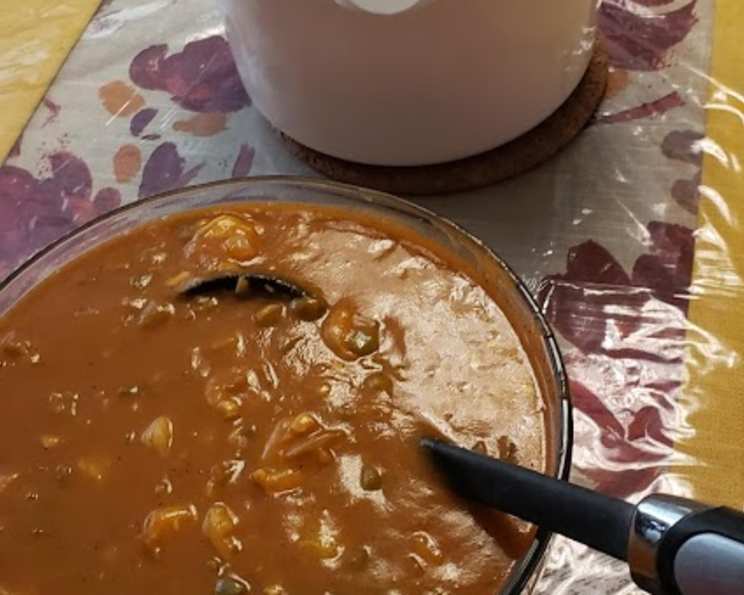
Five Star Shrimp Etouffee: A Taste of Louisiana Royalty
There’s a moment, a distinct memory, when a dish transcends mere sustenance and becomes an experience. For me, that moment arrived in a small, unassuming restaurant in the heart of Louisiana. The air was thick with the scent of simmering spices, and when the etouffee arrived – a rich, ruby-red stew cradled in fluffy white rice – I knew I was about to embark on something special. It wasn’t just a meal; it was a culinary revelation, a symphony of flavors that danced on my palate and whispered tales of the bayou. That first bite was a love affair, a deep, abiding appreciation for the magic that simple ingredients, transformed with time and care, can create. It’s a dish that, even now, years later and miles away from its birthplace, can transport me back to those humid, spice-laden evenings, evoking a sense of warmth and unparalleled comfort.
Recipe Overview
- Prep Time: 15 minutes
- Cook Time: 35 minutes
- Total Time: 50 minutes
- Servings: 6
- Yield: Approximately 6 cups
- Dietary Type: Contains Seafood
Ingredients
This recipe calls for high-quality ingredients to achieve that authentic Creole depth of flavor.
- 2 lbs medium shrimp, deveined and cooked
- 1 cup oil
- 3/4 cup flour
- 1 large yellow onion, chopped
- 2 stalks celery, chopped
- 1/4 cup garlic, minced
- 1 medium green pepper, chopped
- 1/4 cup butter
- 1 (6-ounce) can tomato paste
- 1 (10-ounce) can chicken broth
- 3 cups water
- 2 chicken bouillon cubes
- 1 teaspoon salt
- 1 teaspoon black pepper
- 1/4 teaspoon cayenne pepper (more to taste)
- 1 teaspoon paprika
Equipment Needed
- Large Dutch oven or heavy-bottomed pot
- Whisk (small and large)
- Saucepan
- Measuring cups and spoons
- Knife and cutting board
Instructions
Creating a truly exceptional etouffee is a process of building layers of flavor, starting with the foundational roux. Patience here is key to unlocking the dish’s signature richness.
-
Begin by preparing your roux in a large Dutch oven or heavy-bottomed pot. Heat the oil over medium heat until it is hot. Gradually add the flour, a little at a time, while stirring constantly. It’s crucial to keep the flour moving to prevent scorching. Continue stirring, allowing the flour to sizzle and toast away, adding more a bit at a time. You are looking for a color that resembles peanut butter. This process requires constant attention and can take anywhere from 10 to 20 minutes, depending on your stove’s heat.
-
Once your roux has reached the desired peanut butter color, it’s time to introduce the aromatics. Add the chopped onions, chopped celery, minced garlic, and chopped green pepper directly into the roux. Sauté these vegetables, stirring occasionally, for about 5 minutes. This step not only softens the vegetables but also infuses them with the toasted flavor of the roux. Be mindful not to let the roux burn during this stage.
-
While the vegetables are sautéing in the roux, prepare the tomato base. In a separate saucepan, melt the butter over medium heat. Add the tomato paste to the melted butter. Sauté the tomato paste and butter, whisking with a small whisk until the mixture is smooth and slightly deepened in color, which should take about 5 minutes. This step helps to mellow the raw acidity of the tomato paste and build another layer of flavor.
-
Now, it’s time to marry the two flavor bases. Add the sautéed tomato paste and butter mixture to the roux and vegetable mixture in the Dutch oven. Stir well to combine everything thoroughly.
-
Gradually, and while stirring continuously, begin to incorporate the liquids. Slowly stir in the chicken broth, the water with the dissolved chicken bouillon cubes, and then season with salt, black pepper, cayenne pepper, and paprika. Continue stirring until all ingredients are well combined and the mixture is smooth.
-
Bring the etouffee to a simmer, then reduce the heat to low, cover the pot, and cook for 30 minutes. Stir occasionally to prevent sticking and ensure even cooking. The sauce will thicken and the flavors will meld beautifully during this time.
-
Just 5 minutes before serving, add the cooked shrimp (or crawfish, if using) to the etouffee. Stir gently to distribute the shrimp throughout the sauce and allow them to heat through. Avoid overcooking the shrimp, as they can become tough.
-
Serve the Shrimp Etouffee hot, spooned generously over equal parts rice.
Expert Tips & Tricks
To elevate your etouffee from delicious to truly unforgettable, consider these professional insights:
- Roux Mastery: The color of your roux is paramount. A peanut butter color offers a beautiful nutty depth without being bitter. If you find yourself rushing the roux, it’s better to go a shade lighter and accept a slightly less complex flavor than to burn it, which will render the entire dish unusable.
- The Holy Trinity: The combination of onion, celery, and bell pepper is the cornerstone of Creole cooking. Ensure they are finely and evenly chopped for optimal flavor distribution and texture within the sauce.
- Seasoning is Key: Taste and adjust your seasoning throughout the cooking process, especially the cayenne pepper. Its heat can vary, and you want to achieve a pleasant warmth that complements, rather than overpowers, the other flavors.
- Shrimp Preparation: For the best texture, use cooked shrimp as specified. If you’re starting with raw shrimp, cook them separately until just pink and firm, then add them in the final stage as directed. This prevents them from becoming rubbery in the simmering sauce.
Serving & Storage Suggestions
Etouffee is a showstopper on its own, but it pairs beautifully with a variety of accompaniments.
Serving: The classic presentation is over a generous bed of steamed white rice. For a touch of freshness, a sprinkle of chopped fresh parsley or chives makes a lovely garnish. A crisp green salad or some crusty French bread are also excellent companions to soak up the rich sauce.
Storage: Leftover etouffee can be stored in an airtight container in the refrigerator for up to 3 days. While it’s best enjoyed fresh, the flavors often deepen overnight. To reheat, gently warm the etouffee on the stovetop over low heat, stirring occasionally, until heated through. Avoid microwaving, as this can sometimes lead to uneven heating and affect the texture. It does not freeze particularly well due to the roux and shrimp, so fresh consumption is recommended.
Nutritional Information
(Please note: These are estimated values and can vary based on specific ingredients and portion sizes.)
| Nutrient | Amount per Serving | % Daily Value |
|---|---|---|
| Calories | 459.6 kcal | |
| Calories from Fat | 313 g | |
| Total Fat | 34.9 g | 53% |
| Saturated Fat | 7.5 g | 37% |
| Cholesterol | 158.6 mg | 52% |
| Sodium | 1522.4 mg | 63% |
| Total Carbohydrate | 18.4 g | 6% |
| Dietary Fiber | 2.1 g | 8% |
| Sugars | 4.1 g | 16% |
| Protein | 19.3 g | 38% |
Variations & Substitutions
While this recipe is designed for shrimp, the heart of Creole cooking is adaptability.
- Crawfish Etouffee: The most traditional substitution is crawfish tails. They offer a more delicate, sweet flavor profile that is equally delightful.
- Seafood Medley: For an even richer experience, consider adding cooked crab meat or firm white fish alongside the shrimp in the final 5 minutes of cooking.
- Spicy Kick: If you enjoy a more pronounced heat, increase the cayenne pepper or add a pinch of dried red pepper flakes. A dash of your favorite Louisiana-style hot sauce can also be stirred in at the end.
FAQs
Q: What makes this etouffee authentic and not an “easy” version?
A: Authentic etouffee relies on a properly cooked roux as its base and fresh, quality ingredients, avoiding shortcuts like canned cream soups or pre-made sauces.
Q: Can I make the roux ahead of time?
A: While you can make a roux ahead and store it in the refrigerator, it’s best to make it fresh for the most vibrant flavor and texture in your etouffee.
Q: My roux seems too thick when I add the vegetables. What should I do?
A: This is normal. The vegetables will release some moisture, and as you add the liquids, the roux will loosen up. Keep stirring to ensure everything combines smoothly.
Q: How can I make this dish gluten-free?
A: To make this gluten-free, you would need to substitute the all-purpose flour in the roux with a gluten-free flour blend, ensuring it can withstand high heat and create a proper thickening base.
Q: Is it okay to use pre-cooked shrimp?
A: Yes, using pre-cooked shrimp is perfectly acceptable and convenient. Just ensure they are added in the last 5 minutes of cooking to heat through without becoming overcooked and tough.
Final Thoughts
This Five Star Shrimp Etouffee is more than just a recipe; it’s an invitation to experience a piece of culinary history. It’s a dish that speaks of warmth, comfort, and the rich tapestry of Creole culture. I encourage you to embrace the process, savor the aromas as they fill your kitchen, and, most importantly, delight in the exquisite flavors that await. Serve it with a cold, crisp lager or a bright, acidic white wine to perfectly complement its robust nature. May your table be filled with joy and deliciousness.