
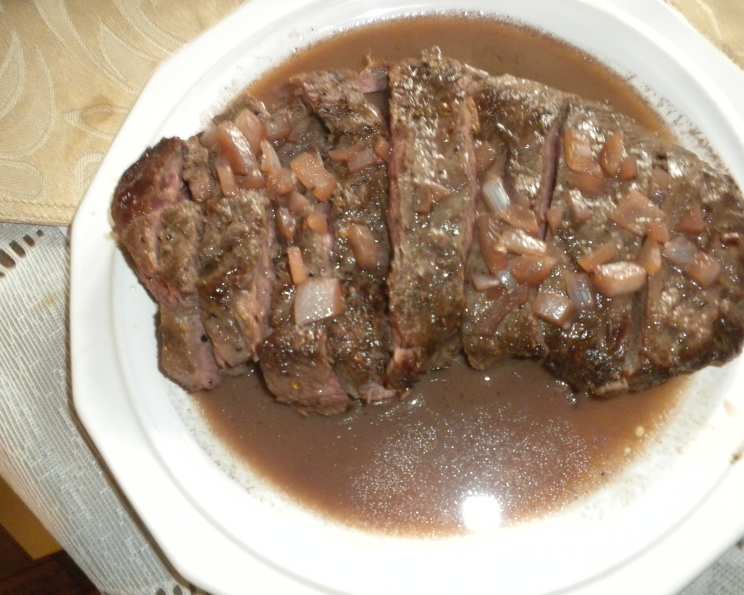
Flat Iron Steak with Cabernet Sauce: A Symphony of Flavor
There’s a certain magic that happens when a humble cut of steak transforms into something truly extraordinary, especially when kissed by a rich, deeply flavored sauce. I remember the first time I truly mastered a flat iron steak, not just cooked, but elevated. It was a chilly autumn evening, the kind that calls for comfort and warmth. I’d picked up a couple of beautiful flat iron steaks, drawn to their marbling and promise of tenderness. As they sizzled in the cast iron, filling my kitchen with an irresistible aroma, I simultaneously coaxed a cabernet reduction into a silken elixir. Serving that steak, draped in its glossy, wine-infused sauce, felt like a culinary triumph. It’s a dish that proves that elegant dining doesn’t always require the most expensive cuts, just a bit of technique and a lot of heart.
Recipe Overview
- Prep Time: 20 minutes
- Cook Time: 10 minutes
- Total Time: 30 minutes
- Servings: 4
- Yield: 4 servings
- Dietary Type: Gluten-Free
Ingredients
To create this delightful dish, gather these components:
- Two (1 1/2 lb) Flat Iron Steaks: Look for steaks with good marbling; this is key to their tenderness and flavor.
- 1 cup Beef Broth: A good quality beef broth will form the savory base of our sauce.
- 1 cup Cabernet Sauvignon Wine: Choose a dry, full-bodied cabernet that you would enjoy drinking.
- 3 tablespoons Canola Oil: For searing the steak.
- 1 tablespoon Grill Seasoning: This blend typically includes salt, pepper, garlic, and other savory spices.
- 1 Shallot, finely diced: Adds a subtle, sweet oniony note to the sauce.
- 4 tablespoons Unsalted Butter: To enrich and finish the sauce, lending it a beautiful sheen and luxurious texture.
- Kosher Salt and Freshly Grated Black Pepper, to taste: Essential for seasoning.
Equipment Needed
- Large Cast Iron Skillet: Crucial for achieving a perfect sear on the steak.
- Small Saucepan: For reducing the wine and broth.
- Tongs: For safely handling the steak during cooking.
- Foil: For resting the steak.
- Cutting Board and Sharp Knife: For slicing the steak.
Instructions
Bringing this dish to life is a straightforward process, yielding impressive results:
- Prepare the Steak: Remove the flat iron steaks from the refrigerator about 20 minutes before you plan to cook them. This allows them to come to room temperature, ensuring more even cooking.
- Begin the Sauce Reduction: In a small saucepan set over high heat, combine the beef broth and the cabernet sauvignon wine. Bring the mixture to a rolling boil, then reduce the heat slightly to maintain a vigorous simmer. Allow it to simmer, reducing by half in volume. This process should take approximately 10 minutes, concentrating the flavors beautifully. Keep an eye on it, and you’ll notice it becoming syrupy.
- Heat the Skillet: Place your cast iron skillet over medium-high heat. Add the canola oil and allow it to heat until it’s very hot and shimmering. A hot skillet is essential for a fantastic sear.
- Season the Steak: While the skillet heats, generously season both sides of the flat iron steaks with the grill seasoning. Ensure an even coating for maximum flavor.
- Sear the Steak: Carefully place the seasoned flat iron steaks into the very hot cast iron skillet. Cook for about 3 minutes per side for a medium-rare doneness. You’re looking for a beautiful, deep brown crust. If you prefer a different doneness, adjust the cooking time accordingly – but remember, this recipe is calibrated for medium-rare.
- Rest the Steak: Once cooked to your liking, remove the steaks from the pan. Tent them loosely with foil and let them rest for 5 minutes. This crucial step allows the juices to redistribute throughout the meat, ensuring a tender and moist steak.
- Sauté the Shallots: While the steak rests, carefully reduce the heat under the skillet to medium. Add the finely diced shallot to the skillet, using any residual oil from searing the steak. Cook until the shallots begin to soften, which should take about 3 minutes.
- Finish the Sauce: Pour the reduced broth and wine mixture into the skillet with the softened shallots. Increase the heat slightly and cook until the sauce has thickened, which will take approximately 5 minutes. The sauce should be coating the back of a spoon.
- Emulsify with Butter: Stir in the unsalted butter, one tablespoon at a time. Continue to cook until the butter is melted and fully incorporated into the sauce, creating a glossy, rich emulsion.
- Season the Sauce: Taste the sauce and adjust with kosher salt and freshly grated black pepper as needed. The flavors should be balanced and deep.
- Slice and Serve: Slice the steak against the grain. This is a critical step for maximizing tenderness. Arrange the sliced steak on a platter. You can serve the cabernet sauce on the side, allowing each diner to spoon it over their steak, or elegantly pour it over the sliced steak just before serving.
Expert Tips & Tricks
- Doneness is Key: For the most accurate results, use an instant-read meat thermometer. For medium-rare, aim for an internal temperature of 130-135°F (54-57°C).
- Skillet Searing: Ensure your cast iron skillet is screaming hot before adding the steak. This is what creates that coveted, flavorful crust. Don’t overcrowd the pan; cook steaks in batches if necessary.
- Sauce Consistency: If your sauce doesn’t thicken to your liking, you can create a quick slurry of 1 teaspoon cornstarch mixed with 1 tablespoon cold water and whisk it into the simmering sauce. Cook for another minute until thickened.
- Resting is Non-Negotiable: Don’t skip the resting period for your steak. It truly makes a world of difference in moisture and tenderness.
Serving & Storage Suggestions
This Flat Iron Steak with Cabernet Sauce is a showstopper on its own, but it pairs beautifully with a variety of sides. Consider classic mashed potatoes, a simple roasted asparagus, or a vibrant green salad. For an elegant presentation, arrange the sliced steak artfully on a warm platter and drizzle generously with the luscious cabernet sauce.
Leftovers can be stored in an airtight container in the refrigerator for up to 2-3 days. Reheat gently in a skillet over low heat or in a moderate oven (around 300°F / 150°C) to avoid overcooking the steak. The sauce can also be gently reheated separately.
Nutritional Information
| Nutrient | Amount per Serving | % Daily Value |
|---|---|---|
| Calories | 560.1 kcal | |
| Calories from Fat | 372 kcal | |
| Total Fat | 41.4 g | 63% |
| Saturated Fat | 15.2 g | 76% |
| Cholesterol | 141.1 mg | 47% |
| Sodium | 351.2 mg | 14% |
| Total Carbohydrate | 2.4 g | 0% |
| Dietary Fiber | 0 g | 0% |
| Sugars | 0 g | 0% |
| Protein | 32.9 g | 65% |
(Nutritional information is an estimate and will vary based on specific ingredients and preparation methods.)
Variations & Substitutions
- Herbs for the Sauce: For an added layer of complexity, consider adding a sprig of fresh thyme or rosemary to the sauce while it simmers. Remove before serving.
- Spicy Kick: If you enjoy a touch of heat, a pinch of red pepper flakes can be added to the shallots as they soften.
- Different Red Wine: While cabernet is classic, other dry red wines like Merlot or Pinot Noir can be used successfully in the sauce.
- Shallot Alternative: If shallots are unavailable, a small, finely minced red onion can be used as a substitute.
FAQs
Q: Why is it important to rest the steak?
A: Resting allows the muscle fibers to relax and the juices, which were pushed to the center during cooking, to redistribute throughout the steak. This results in a much more tender and moist final product.
Q: What makes the flat iron steak a good choice for this recipe?
A: Flat iron steak is known for its excellent marbling and tender texture, making it a flavorful and forgiving cut that cooks relatively quickly.
Q: Can I make the sauce ahead of time?
A: Yes, you can prepare the sauce reduction portion ahead of time and reheat it gently when you’re ready to finish the dish. Add the butter at the end when reheating.
Q: What does it mean to slice “against the grain”?
A: The grain refers to the direction in which the muscle fibers run in the steak. Slicing against this direction shortens the fibers, making the meat much easier to chew and more tender.
Q: How can I ensure my steak is cooked to medium-rare?
A: The most accurate way is to use an instant-read thermometer. For medium-rare, aim for an internal temperature between 130°F and 135°F (54°C to 57°C).
Final Thoughts
This Flat Iron Steak with Cabernet Sauce is more than just a recipe; it’s an experience. It’s proof that simple, quality ingredients, treated with respect and a touch of culinary flair, can yield truly memorable meals. Don’t hesitate to make this your own – adjust the seasoning to your preference, serve it with your favorite accompaniments, and most importantly, savor every delicious bite. I encourage you to gather your loved ones around the table and share in the joy of this beautifully crafted dish. A crisp green salad with a light vinaigrette or some creamy polenta would make perfect partners to this robust steak and sauce combination.