
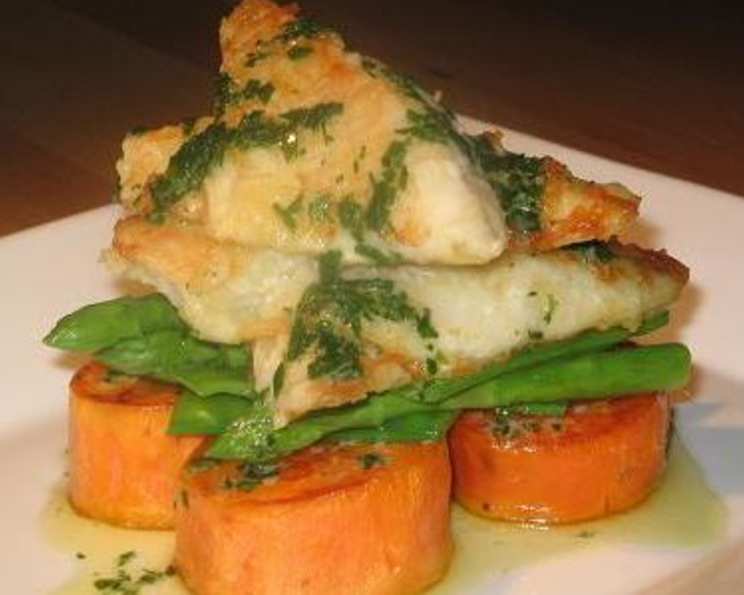
Flathead Fillets with a Tarragon Butter: A Taste of the Coast, Anywhere
There are certain flavors that, for me, are inextricably linked to the vastness of the ocean and the salty kiss of the sea air. Growing up, summer holidays were often spent by the coast, and the simple, fresh catch of the day was always a highlight. I remember one particular trip to Australia, where the local flathead fillets, so delicate and flaky, became my go-to for a quick, healthy, and utterly delightful weeknight meal. Even after moving away, the memory of those fillets, bathed in a fragrant herbal butter, lingered. I’ve since discovered the joy of adapting this dish with whatever wonderful small fillets are available locally – be it perch or sea bream – proving that the spirit of that coastal meal can be captured and savored, no matter the latitude.
Recipe Overview
- Prep Time: 15 minutes
- Cook Time: 25 minutes
- Total Time: 40 minutes
- Servings: 4
- Yield: 4 servings
- Dietary Type: Pescatarian, Adaptable to Gluten-Free
Ingredients
Here’s what you’ll need to bring this vibrant dish to your table:
- 12-16 small fish fillets, ideally flathead if you’re in Australia, or adaptable to perch or sea bream fillets. (Note: I recommend 3-4 fillets per person depending on their size.)
- 2 tablespoons plain flour
- 2-4 teaspoons garlic powder (adjust to your personal taste)
- 2 medium sweet potatoes (approximately 500g in weight)
- Salt and freshly ground black pepper, to taste
- 200g baby asparagus
- 200g snow peas
- 80g melted butter
- 1 1⁄2 tablespoons tarragon, coarsely chopped
Equipment Needed
- Large saucepan or steamer for vegetables
- Large skillet or frying pan
- Tongs
- Sharp knife and cutting board
- Measuring spoons and cups
- Small bowl for tarragon butter
Instructions
This dish is designed for simplicity and speed, allowing the fresh flavors of the fish and vegetables to shine. Follow these steps for a perfect result every time.
- Prepare the Sweet Potatoes: Begin by peeling the sweet potatoes. Cut them into thick slices, about 2cm (approximately ¾ inch) thick. You can then either boil, steam, or microwave these slices until they are just tender. The goal is for them to be cooked through but still hold their shape.
- Brown the Sweet Potatoes: Once tender, heat a little oil in a pan over medium heat. Add the sweet potato slices and brown them on both sides until they have a lovely golden crust. Set them aside once browned.
- Prepare the Fish: While the sweet potatoes are cooking, prepare your fish fillets. In a shallow dish, combine the plain flour with a good pinch of salt and pepper. Lightly sprinkle the fish fillets with garlic powder on both sides. Then, dip each fillet into the seasoned flour, ensuring it’s lightly coated. Shake off any excess flour; you want a thin, even coating.
- Cook the Fish: Heat a little more oil in the same or a separate pan over medium-high heat. Carefully add the floured fish fillets to the hot pan. Cook them until browned on both sides. As these are typically small fillets, they will cook very quickly, usually just a couple of minutes per side. Keep a close eye on them to prevent overcooking.
- Prepare the Vegetables: In a separate saucepan, boil, steam, or microwave the baby asparagus and snow peas until they are just tender. You want them to retain a slight crispness, a vibrant green color, and their natural sweetness.
- Make the Tarragon Butter: In a small bowl, combine the melted butter with the coarsely chopped tarragon. Stir gently to combine.
- Assemble and Serve: To serve, divide the browned sweet potato slices among your plates. Top the sweet potatoes with a generous portion of the tender asparagus and snow peas. Finally, place the beautifully cooked fish fillets on top of the vegetables. Drizzle the fragrant tarragon butter generously over the fish and vegetables. Serve immediately.
Expert Tips & Tricks
- Flour Coating: For an extra crisp coating on your fish, you can lightly dust the fillets with flour after dipping them, or even opt for a light dredging in seasoned breadcrumbs if you prefer a crunchier texture. Just be sure to shake off any excess to avoid a heavy coating.
- Vegetable Perfection: The key to perfectly cooked asparagus and snow peas is to not overcook them. They should be vibrant, tender-crisp, and retain a slight bite. If you’re steaming them, a few minutes should suffice.
- Tarragon Freshness: If fresh tarragon isn’t available, you can substitute with fresh parsley or chives, though tarragon offers a unique anise-like aroma that is truly special. Use dried tarragon sparingly, as its flavor is more concentrated; about ½ teaspoon should be sufficient if using dried.
- Fish Doneness: Small fish fillets cook very quickly. They are done when the flesh is opaque and flakes easily with a fork. Overcooked fish can become dry and tough.
- Make-Ahead Components: The sweet potatoes can be peeled, sliced, and par-cooked a day in advance and stored in the refrigerator. The tarragon butter can also be prepared ahead of time and gently warmed before serving.
Serving & Storage Suggestions
This dish is best served immediately while the fish is fresh and flaky, and the vegetables are vibrant. Arrange the components artfully on the plate for a visually appealing meal.
Leftovers can be stored in an airtight container in the refrigerator for up to 1-2 days. While fish is best enjoyed fresh, any leftovers can be gently reheated. You can do this in a low oven (around 150°C/300°F) for a few minutes or very briefly in a non-stick pan over low heat. Be cautious not to overcook the fish during reheating. The vegetables and sweet potatoes can also be reheated this way.
Nutritional Information
| Nutrient | Amount per Serving | % Daily Value |
|---|---|---|
| Calories | 763.8 kcal | – |
| Calories from Fat | – | 186g |
| Total Fat | 20.7 g | 31 % |
| Saturated Fat | 11.1 g | 55 % |
| Cholesterol | 310 mg | 103 % |
| Sodium | 561.9 mg | 23 % |
| Total Carbohydrate | 23.7 g | 7 % |
| Dietary Fiber | 4.7 g | 18 % |
| Sugars | 5.7 g | 22 % |
| Protein | 115.7 g | 231 % |
Please note: Nutritional information is an estimate and can vary based on specific ingredients and portion sizes used.
Variations & Substitutions
This recipe is wonderfully adaptable. If you can’t find flathead, perch, or sea bream, any mild white fish fillet that is similarly sized and cooks quickly will work beautifully. Think of other small fillets like sole, flounder, or even small pieces of cod or haddock.
For a gluten-free version, simply omit the flour coating on the fish. You can opt for a light dusting of cornstarch or almond flour for a similar effect, or simply pan-sear the fish without any coating.
If tarragon isn’t your favorite herb, consider substituting it with fresh dill, chives, or even a combination of parsley and a hint of lemon zest in the butter for a bright, fresh flavor.
FAQs
Q: Can I use frozen fish fillets for this recipe?
A: Yes, you can. Ensure you thaw the frozen fillets completely according to package directions before preparing them. Pat them dry thoroughly to ensure the flour coating adheres well.
Q: What if I don’t have sweet potatoes?
A: You can substitute with regular potatoes, parsnips, or even butternut squash. Prepare them in the same manner, ensuring they are tender and then lightly browned.
Q: How can I tell if the fish is cooked through?
A: The fish is cooked when it becomes opaque throughout and flakes easily when tested with a fork. Small fillets cook very quickly, so be vigilant.
Q: Is it possible to make the tarragon butter ahead of time?
A: Absolutely. You can melt the butter and stir in the tarragon a few hours in advance. Store it at room temperature or in the refrigerator. Gently warm it before drizzling over the fish.
Q: Can I add other vegetables to this dish?
A: Certainly. Green beans, broccoli florets, or even thinly sliced zucchini would be lovely additions. Ensure they are cooked to your desired tenderness.
Final Thoughts
This Flathead Fillets with Tarragon Butter dish is a testament to how simple, high-quality ingredients can create something truly spectacular. It’s a meal that transports me back to those sunny coastal days, yet it’s achievable for any home cook, any night of the week. It’s proof that delicious, healthy food doesn’t need to be complicated. I encourage you to give this recipe a try. Experiment with the fish and herb substitutions to make it your own, and savor the delightful simplicity. I’d love to hear how it turns out for you! Perhaps serve it with a crisp white wine, like a Sauvignon Blanc or a Vermentino, for a perfect pairing.