
The Art of Infusion: Crafting Your Own Flavored Vodkas
There’s a particular thrill, isn’t there, in unlocking a flavor that feels both familiar and entirely new? I remember a trip to a small, speakeasy-style cocktail bar years ago where the bartender presented me with a flight of house-infused vodkas. Each tiny glass offered a different sensory journey – from the bright tang of citrus to the subtle warmth of spice. It was a revelation, a moment where I realized the humble spirit could be a canvas for so much creativity. That experience planted a seed, a desire to recreate that magic in my own kitchen, to understand the alchemy of transforming a neutral base into something truly extraordinary. And today, I want to share that journey with you. Forget the expensive, pre-flavored bottles; we’re going to dive into the simple, rewarding process of making your own exceptional flavored vodkas.
Recipe Overview
- Prep Time: 3 days (minimum steeping time)
- Cook Time: 0 minutes
- Total Time: 3 days, 3 hours to 10 days, 3 hours (depending on infusion)
- Servings: N/A (flavoring process)
- Yield: 750 ml (per bottle)
- Dietary Type: Gluten-Free, Dairy-Free, Vegan
Ingredients
This is where the magic begins. The beauty of making your own flavored vodka is the absolute control you have over the ingredients and the intensity of the flavor. You’ll need a good quality, neutral 80-proof vodka as your base. The higher the quality of your starting vodka, the smoother and more enjoyable your final infused spirit will be, especially for sipping.
Here’s what you’ll need to get started, with options for various infusions:
- Vodka: 750 ml, 80 proof (one bottle for each flavor you wish to create)
For Citrus Vodkas:
- Grapefruit Vodka:
- 1 grapefruit
- Mandarin or Tangerine Vodka:
- 3 mandarin oranges or 3 tangerines
- Lime or Lemon Vodka:
- 1 lemon or 1 lime
For Spice & Herbal Vodkas:
- Pepper Vodka:
- 2 tablespoons peppercorns, crushed
- Anise Vodka:
- 1 teaspoon anise seed
- Ginger Vodka:
- 1 inch piece of fresh ginger
Equipment Needed
While this process doesn’t involve any cooking in the traditional sense, you’ll need a few key tools to prepare your ingredients and store your infusions:
- Vegetable peeler
- Small knife (for ginger)
- Cheesecloth (optional, for straining)
- Clean glass jars or bottles with tight-fitting lids (one for each infusion)
- Measuring spoons
Instructions
The process is remarkably straightforward, relying on time and the natural essence of your chosen ingredients to work their magic. The key is to allow sufficient steeping time for the flavors to fully develop. Remember, these are for sipping and enjoying, so patience is a virtue.
-
Prepare Your Citrus Zest: For all citrus-infused vodkas (Grapefruit, Mandarin/Tangerine, Lime/Lemon), begin by thoroughly rinsing and drying your chosen fruit. Using a vegetable peeler, carefully remove the zest. This means the colored outer layer of the peel, being careful to avoid the bitter white pith underneath. For the mandarin or tangerine vodka, you will need the zest from all three fruits. For the grapefruit, lemon, or lime vodka, you will use the zest from one fruit.
-
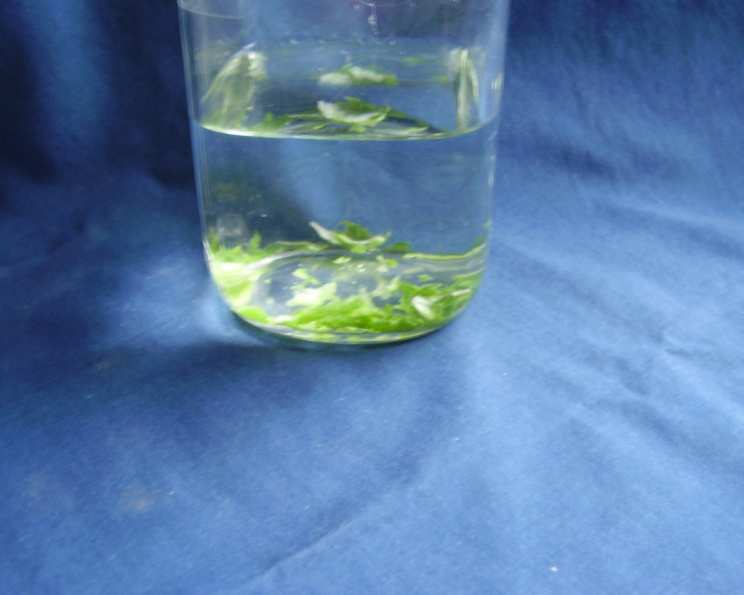
Infuse Citrus Flavors: Place the grapefruit zest into a clean glass jar or directly into your 750 ml bottle of vodka for Grapefruit Vodka. For Mandarin/Tangerine Vodka, add the zest from the 3 mandarin oranges or tangerines to the vodka. For Lime/Lemon Vodka, add the zest from the 1 lemon or 1 lime to the vodka. Allow these to steep at room temperature for at least 3 days. During this steeping period, it’s beneficial to invert the jar or bottle once or twice a day to ensure the flavors are mixed thoroughly and evenly.
-
Citrus Vodka Variation – Soaked Zest: If you prefer a more mellow citrus flavor with a softer peel texture, you can try this variation for your Citrus Vodkas: soak the zest (with the white pith removed) for three hours. After soaking, remove the peel and chill the vodka. For an added visual appeal and a subtle textural element, you can also add a small amount of grated peel back into the bottle, and a drop or two of food coloring to enhance the natural hue, if desired.
-
Infuse Pepper Vodka: For Pepper Vodka, add 2 tablespoons of crushed peppercorns directly to your 750 ml bottle of vodka. Let this mixture stand overnight.
-
Infuse Anise Vodka: For Anise Vodka, add 1 teaspoon of anise seeds to your 750 ml bottle of vodka. Let this mixture stand for 2 hours.
-
Infuse Ginger Vodka: To create Ginger Vodka, begin by peeling a 1-inch square piece of fresh ginger. Next, cut the ginger into 8 thin slices, and then cut each slice in half. Add the prepared ginger pieces to your 750 ml bottle of vodka. Allow this to steep from 5 to 10 days.
-
Straining (Optional but Recommended):
- For Pepper Vodka: After it has steeped overnight, strain the vodka through cheesecloth into a clean bottle. This removes the larger pieces of peppercorn, resulting in a smoother drink.
- For Anise Vodka: After 2 hours of steeping, strain the vodka through cheesecloth into a clean bottle. This will remove the anise seeds.
- For Ginger Vodka: If you prefer a clear ginger-infused vodka without any ginger pieces, you can strain it through cheesecloth after the steeping period.
-
Chilling: Once your infusions are complete and strained (if desired), chill all your flavored vodkas thoroughly in the refrigerator.
NOTE: In the case of simply flavoring the vodka rather than exposing it to heat, you may want to use a more expensive vodka since these are made for sipping slowly and require a smoother alcohol base.
Expert Tips & Tricks
- Zest Wisely: When zesting citrus, use a microplane or a fine grater for the best results, ensuring you only capture the flavorful oils without the bitter pith. For larger peels, a sharp vegetable peeler is perfect.
- Adjust Steeping Time: The steeping times provided are guidelines. Taste your infusion periodically after the minimum steeping period. If you desire a stronger flavor, continue steeping. If the flavor is too intense, you can dilute it with a small amount of unflavored vodka.
- The “Effect”: For Pepper and Anise vodkas, consider leaving a few peppercorns or anise seeds in the bottle for visual appeal. This hints at the infused flavor and adds to the presentation.
- Strain for Smoothness: While leaving some ingredients in can be visually appealing, straining ensures a cleaner drinking experience. Cheesecloth is your best friend here for a fine strain. If you don’t have cheesecloth, a very fine-mesh sieve can work, though it might not catch all the tiny particles.
- Quality Matters: As mentioned, a higher-quality vodka makes a noticeable difference, especially for infusions meant to be sipped neat. Think of it as using a premium canvas for your artistic creations.
- Experiment with Combinations: Don’t be afraid to get creative! Consider combining flavors, like a grapefruit-ginger or lemon-peppercorn infusion. Always start with smaller amounts of additional ingredients and taste as you go.
Serving & Storage Suggestions
Your beautifully crafted flavored vodkas are best served chilled.
- Serving: Enjoy them neat in small tasting glasses to fully appreciate their nuances. They also make fantastic bases for cocktails. A grapefruit vodka can elevate a simple gin and tonic, a pepper vodka can add a kick to a Bloody Mary, and citrus vodkas are sublime in martinis or simply mixed with soda water and a squeeze of fresh lime.
- Storage: Store your flavored vodkas in the refrigerator. They will keep well for several months, even up to a year, as the alcohol acts as a preservative. The flavors may deepen over time, so check periodically. If you notice any cloudiness or off-smells, it’s best to discard the batch.
Nutritional Information
Given that the primary ingredient is vodka and the flavoring agents are used in small quantities, the nutritional information per serving is minimal. The calories are almost entirely from the alcohol itself.
| Nutrient | Amount per Serving (approx.) | % Daily Value (approx.) |
|---|---|---|
| Calories | 97 kcal | 5% |
| Calories from Fat | 0 kcal | 0% |
| Total Fat | 0 g | 0% |
| Saturated Fat | 0 g | 0% |
| Cholesterol | 0 mg | 0% |
| Sodium | 0.1 mg | 0% |
| Total Carbohydrate | 0.3 g | 0% |
| Dietary Fiber | 0.1 g | 0% |
| Sugars | 0 g | 0% |
| Protein | 0 g | 0% |
Note: Nutritional information is an estimate per 1.5 oz (44ml) serving of 80-proof vodka. Actual values may vary based on the specific brand of vodka and the minute amounts of sugars and carbohydrates from the infused ingredients.
Variations & Substitutions
The world of infusions is vast and exciting! Here are a few ideas to spark your creativity:
- Berry Infusions: Use fresh berries like raspberries, blueberries, or strawberries. Lightly muddle them before adding to the vodka and steep for 2-5 days.
- Herbal Notes: Consider infusions with rosemary, mint, or basil. A few sprigs per bottle, steeped for 1-3 days, can yield delightful results.
- Vanilla Bean: Split a vanilla bean and add it to your vodka for a wonderfully aromatic and smooth infusion, perfect for dessert cocktails. Steep for 3-7 days.
- Chili Peppers: For a spicier kick, add a dried chili pepper (like a chipotle or a small red chili) to your vodka. Start with half a pepper and adjust to your heat preference. Steep for 1-3 days.
- Coffee Beans: Lightly crush a tablespoon of coffee beans and add them to your vodka for a rich, mocha-infused spirit. Steep for 2-4 days.
FAQs
Q: How long can I leave the ingredients steeping in the vodka?
A: The steeping times vary depending on the ingredient. Citrus and delicate herbs might only need a few days, while spices and tougher roots like ginger can take longer. Always taste as you go.
Q: Can I use fresh herbs instead of dried?
A: Yes, you can use fresh herbs. Use a larger quantity than you would dried herbs and be mindful that fresh herbs can infuse more quickly.
Q: What’s the difference between using the peel and using the juice of citrus fruits?
A: The peel contains the essential oils that provide the aromatic and flavorful zest. The juice, while flavorful, can add sweetness and acidity, which might alter the character of the vodka more significantly and can lead to cloudiness if not handled carefully.
Q: My infused vodka looks cloudy. Is it safe to drink?
A: Cloudiness can sometimes occur, especially with fruits or certain herbs. As long as there are no off-smells or signs of mold, it’s likely safe. Straining thoroughly usually helps.
Q: Can I reuse the ingredients after infusing?
A: Generally, it’s best to use fresh ingredients for each batch to ensure optimal flavor. The flavor from the first infusion will be significantly diminished.
Final Thoughts
Crafting your own flavored vodkas is an incredibly rewarding culinary adventure. It’s a way to connect with your ingredients, experiment with flavors, and elevate your home bar from ordinary to exceptional. Imagine the delight of serving a signature cocktail made with your very own grapefruit-infused vodka, or a warming ginger vodka neat on a chilly evening. So gather your ingredients, embrace the process, and prepare to discover a new appreciation for this versatile spirit. Cheers to your infused creations!