
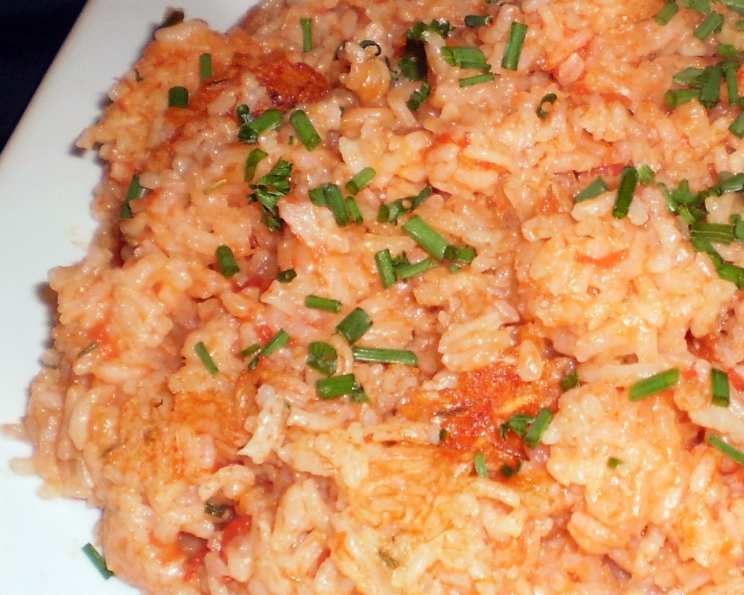
The Humble Grain Transformed: A Burst of Flavor in Every Bite
Rice. It’s the unsung hero of countless cuisines, a comforting staple that forms the foundation of so many beloved meals. For years, I’ve found myself reaching for pre-packaged mixes, a convenient shortcut, yes, but always with a quiet yearning for something more. That spark ignited when I discovered how simple it is to imbue this unassuming grain with an explosion of vibrant flavors, transforming it from a mere side dish into a star in its own right. This particular preparation, with its aromatic herbs and the sweet tang of tomatoes, is a testament to that revelation, bringing back memories of sun-drenched afternoons and the joy of discovering new culinary horizons, all from my own kitchen.
Recipe Overview
- Prep Time: 15 minutes
- Cook Time: 30 minutes
- Total Time: 45 minutes
- Servings: 8
- Yield: Generous portion of flavored rice
- Dietary Type: Vegan, Gluten-Free, Dairy-Free
Ingredients
- 4 1/2 cups water
- 3 cups white rice, uncooked
- 2 tablespoons olive oil
- 2 tablespoons distilled white vinegar
- 1/2 teaspoon dried basil
- 1/2 teaspoon dried oregano
- 1 pinch salt
- 1 pinch ground black pepper
- 1 (14.5 ounce) can diced tomatoes, drained
Equipment Needed
- Rice steamer (or a heavy-bottomed pot with a tight-fitting lid)
- Measuring cups and spoons
Instructions
This recipe is beautifully straightforward, designed to elevate your rice without adding significant complexity to your cooking routine. The magic happens within the confines of your rice steamer, or a traditional pot if that’s what you have on hand.
- Begin by gathering all your ingredients. This ensures a smooth and efficient cooking process.
- In your rice steamer, combine the 4 1/2 cups of water, 3 cups of uncooked white rice, 2 tablespoons of olive oil, and 2 tablespoons of distilled white vinegar.
- Next, add the seasonings. Sprinkle in the 1/2 teaspoon of dried basil and 1/2 teaspoon of dried oregano.
- Follow with a pinch of salt and a pinch of ground black pepper. These simple additions will awaken the dormant flavors within the rice.
- Finally, gently incorporate the 1 (14.5 ounce) can of drained diced tomatoes. Ensure they are evenly distributed amongst the rice and liquid.
- Close the lid of your rice steamer and cook according to the steamer’s settings. Most rice steamers have a dedicated setting for white rice, which typically involves a cooking cycle of around 20-25 minutes, followed by a resting period. If you are using a conventional pot, bring the mixture to a boil over medium-high heat, then reduce the heat to low, cover tightly, and simmer for 15-20 minutes, or until the water is absorbed and the rice is tender.
- Once the cooking cycle is complete, allow the rice to rest, covered, for an additional 5-10 minutes. This crucial step allows the steam to distribute evenly, ensuring fluffy, perfectly cooked grains.
Expert Tips & Tricks
While this recipe is wonderfully forgiving, a few chef-level insights can ensure consistently spectacular results.
- Rice Rinse: For an even fluffier texture and to remove excess starch, consider rinsing your rice before adding it to the steamer. Place the uncooked rice in a fine-mesh sieve and rinse under cold running water until the water runs clear.
- Vinegar’s Role: Don’t be tempted to skip the vinegar! Distilled white vinegar adds a subtle brightness and helps to keep the rice grains separate, preventing a clumpy texture. It also aids in tenderizing the rice.
- Tomato Drainage: Ensure your diced tomatoes are thoroughly drained. Excess liquid can alter the water-to-rice ratio, potentially leading to mushy rice.
- Steamer vs. Pot: While a rice steamer is convenient and often yields superior results due to its precise temperature control, a heavy-bottomed pot with a tight-fitting lid can absolutely achieve delicious outcomes. The key is to maintain a low, consistent simmer and resist the urge to lift the lid during the cooking process.
- Herbal Infusion: If you have fresh herbs on hand, consider using a tablespoon of fresh chopped basil and oregano instead of the dried. Add them towards the end of the cooking or as a garnish for a more vibrant flavor.
Serving & Storage Suggestions
This flavorful rice is incredibly versatile and can be served as a vibrant side dish to a multitude of main courses. It pairs beautifully with grilled chicken or fish, hearty vegetarian stews, or even as a base for a quick and easy grain bowl.
To serve, gently fluff the rice with a fork, ensuring the tomatoes are evenly distributed. For an extra touch of freshness, consider garnishing with a sprinkle of chopped fresh parsley or chives.
Leftovers can be stored in an airtight container in the refrigerator for 3 to 4 days. To reheat, you can gently warm it in a microwave-safe dish with a tablespoon or two of water to prevent drying, or in a saucepan over low heat.
Nutritional Information
The following provides an estimated nutritional breakdown per serving. Please note that these are approximate values and can vary based on specific ingredient brands and preparation methods.
| Nutrient | Amount per Serving | % Daily Value |
|---|---|---|
| Calories | 297 kcal | 15% |
| Total Fat | 3.9 g | 5% |
| Saturated Fat | 0.6 g | 3% |
| Cholesterol | 0 mg | 0% |
| Sodium | 31 mg | 1% |
| Total Carbohydrate | 58.7 g | 21% |
| Dietary Fiber | 2.6 g | 9% |
| Sugars | 1.4 g | 3% |
| Protein | 5.2 g | 10% |
Variations & Substitutions
The beauty of this recipe lies in its adaptability. Feel free to explore these creative twists:
- Spicy Kick: For those who enjoy a little heat, add a pinch of red pepper flakes along with the dried herbs.
- Aromatic Boost: Incorporate a bay leaf into the water during cooking for an extra layer of subtle, aromatic depth. Remove it before serving.
- Vegetable Medley: While the tomatoes provide a lovely sweetness, you could also add a handful of finely chopped bell peppers or peas during the last 5 minutes of cooking for added texture and color. Ensure they are finely diced so they cook through without compromising the rice texture.
- Brown Rice Option: While this recipe is optimized for white rice, you can experiment with brown rice. You will likely need to increase the cooking time and possibly the liquid, as brown rice requires more moisture and time to become tender.
FAQs
Q: Can I use a different type of rice than white rice?
A: This recipe is specifically formulated for white rice. Other rice varieties like brown rice or basmati may require different liquid ratios and cooking times.
Q: My rice is a little sticky. What did I do wrong?
A: Overcrowding the steamer or pot, or not allowing the rice to rest after cooking, can lead to stickiness. Ensure you are using the correct rice-to-liquid ratio and follow the resting step.
Q: Can I add more vegetables to this recipe?
A: You can, but add them judiciously. Finely diced vegetables like bell peppers or peas can be added towards the end of the cooking process. Larger or denser vegetables might require pre-cooking or adjustment of cooking times.
Q: Is it important to drain the diced tomatoes?
A: Yes, it’s crucial to drain the diced tomatoes to maintain the correct water-to-rice ratio and prevent the rice from becoming too wet or mushy.
Q: How can I make this rice taste even more herby?
A: Consider using fresh herbs like basil and oregano, chopped finely, and adding them towards the end of the cooking process or as a garnish for a brighter, more intense flavor.
This simple yet profoundly flavorful rice is more than just a side dish; it’s an invitation to savor the everyday. It’s a reminder that with just a few thoughtful additions, even the most humble ingredients can be transformed into something truly special. I encourage you to try it, to let the aroma fill your kitchen, and to discover the joy of a perfectly seasoned grain. Share your creations and your own flavor discoveries – I’m always eager to hear how this recipe inspires you in your culinary adventures.