
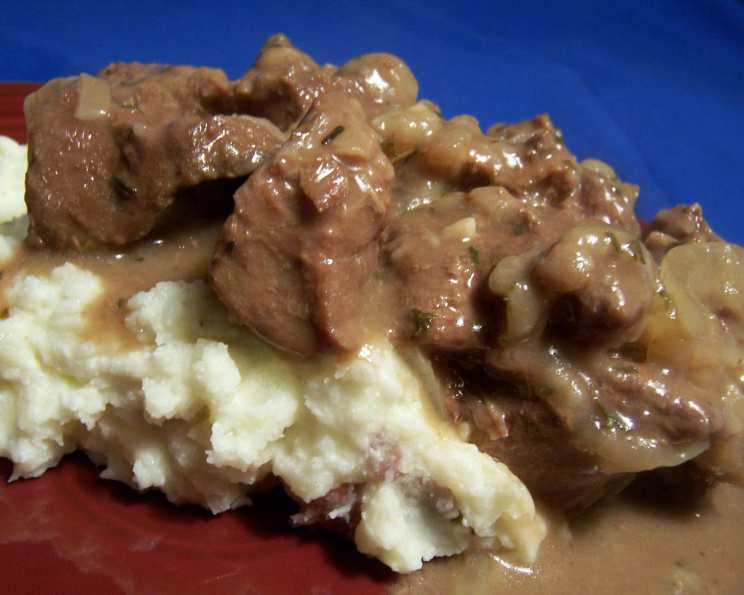
A Taste of Home: My Mother’s Cherished Flemish Beef Stew
There’s a particular comfort that settles deep within the soul when a slow-cooked, deeply flavorful stew simmers on the stove, filling the kitchen with an aroma that speaks of tradition and love. For me, that quintessential scent is Flemish Beef Stew, or Stoofvlees as it’s known in its native Belgium. This wasn’t just a meal; it was an event. My mother, a woman whose hands could transform simple ingredients into edible poetry, would dedicate a Sunday afternoon to preparing this dish. The anticipation as the rich, dark gravy bubbled and thickened, the promise of tender beef yielding to the slightest touch of a fork – these memories are woven into the very fabric of my childhood. Each spoonful of this stew is a direct line back to those cherished moments, a reminder of warmth, family, and the enduring magic of good food.
Recipe Overview
- Prep Time: 20 minutes
- Cook Time: 1 hour 50 minutes
- Total Time: 2 hours 10 minutes
- Servings: 4-6
- Yield: Approximately 6 servings
- Dietary Type: Hearty Meat Dish
The Heart of the Matter: Ingredients
This recipe celebrates the beauty of simple, quality ingredients coming together to create something truly extraordinary. The key is patience and allowing the flavors to meld and deepen over time.
- 2 lbs rump roast or round roast, cut into 1-inch cubes
- 3 tablespoons cooking oil
- 2 cloves garlic, minced
- 1 tablespoon parsley flakes
- 1/4 teaspoon dried thyme
- 1/4 teaspoon dried marjoram
- 1 large onion, sliced
- 1/4 cup all-purpose flour
- 1 (12-ounce) bottle beer (a brown ale or dubbel is ideal)
- 1 beef bouillon cube, dissolved in 1/2 cup hot water
- 2 tablespoons brown sugar
- 1 bay leaf
Essential Tools for Culinary Success
While Flemish Beef Stew doesn’t require overly specialized equipment, a few key items will make the process smoother and yield the best results.
- A heavy-bottomed pot or Dutch oven for browning the beef and sautéing the aromatics.
- An oven-proof casserole dish (if transferring from stovetop for baking).
- A wooden spoon or heatproof spatula for stirring.
- Measuring cups and spoons.
- A sharp knife and cutting board.
The Alchemical Process: Instructions
Crafting this stew is a rewarding journey, a slow transformation that builds layers of complex flavor. Follow these steps to achieve that perfect, comforting result.
- Brown the Beef: Begin by heating the cooking oil in your heavy-bottomed pot or Dutch oven over medium-high heat. Working in batches if necessary to avoid overcrowding the pan, sear the beef cubes until they are deeply browned on all sides. This browning is crucial for developing rich flavor. Remove the browned beef from the pot and set it aside.
- Sauté Aromatics: Reduce the heat to medium. Add the sliced onion to the same pot and sauté until they begin to soften and turn translucent, about 5-7 minutes. Then, stir in the minced garlic and cook for another minute until fragrant, being careful not to burn it.
- Incorporate the Flour: Sprinkle the flour over the onions and garlic. Stir continuously for about 1-2 minutes to cook out the raw flour taste and create a base for the sauce.
- Deglaze and Build the Sauce: Pour in the beer, scraping the bottom of the pot with your wooden spoon to loosen any browned bits that have adhered. This process, known as deglazing, captures a significant amount of flavor. Allow the beer to bubble and reduce slightly for a few minutes.
- Combine and Season: Return the browned beef cubes to the pot. Add the parsley flakes, dried thyme, dried marjoram, brown sugar, and the bay leaf. Pour in the dissolved beef bouillon and water mixture. Stir everything together to ensure the beef is mostly submerged in the liquid.
- Transfer and Bake: If you are using a separate oven-proof casserole dish, carefully transfer the contents of the pot into the prepared dish. If your pot is oven-safe, you can proceed directly.
- Slow Cook to Perfection: Preheat your oven to 350 degrees Fahrenheit (175 degrees Celsius). Cover the casserole dish or pot tightly with a lid or foil and bake in the preheated oven for 1 1/2 to 2 hours, or until the beef is incredibly tender and can be easily pierced with a fork. The low and slow cooking process is what transforms the tough cuts of beef into melt-in-your-mouth perfection.
- Rest and Serve: Once the stew has finished baking and the beef is tender, remove it from the oven. Allow it to rest for about 10-15 minutes before serving. This resting period allows the juices to redistribute, ensuring a more succulent final product.
Chef’s Secrets for a Superb Stew
To elevate your Flemish Beef Stew from delicious to truly exceptional, consider these seasoned insights:
- Quality Beer is Key: The type of beer you choose will significantly impact the final flavor. A malty, slightly sweet brown ale or a Belgian dubbel will add depth and complexity without making the stew taste overwhelmingly “beery.” Avoid light lagers or overly bitter IPAs.
- The Magic of Browning: Don’t rush the browning of the beef. It’s the foundation of the stew’s rich, savory flavor. Ensure your pot is hot enough to get a good sear, and don’t overcrowd the pan, which can steam the meat instead of browning it.
- Patience in Slow Cooking: The cooking time is an estimate. The true indicator of doneness is the tenderness of the beef. If after 2 hours it’s not fork-tender, continue cooking, checking periodically.
- Thickening Control: If you find your stew isn’t as thick as you’d like after baking, you can remove the lid and simmer it gently on the stovetop for a bit longer to reduce the liquid. Conversely, if it becomes too thick, you can stir in a little more beef broth or water.
- The Bay Leaf’s Subtle Charm: The bay leaf imparts a subtle, earthy aroma that rounds out the flavors. Remember to remove it before serving.
Serving and Storing Your Culinary Masterpiece
Flemish Beef Stew is a dish that begs to be served with simple, comforting accompaniments that will soak up its glorious sauce.
- Serving Suggestions: Traditionally, this stew is served piping hot over hot cooked noodles or creamy mashed potatoes. A side of crusty bread is also an excellent choice for mopping up every last drop of the rich gravy. A simple green salad or some steamed green beans can provide a refreshing contrast to the richness of the stew.
- Storage: Leftover Flemish Beef Stew will keep beautifully. Once cooled to room temperature, store it in an airtight container in the refrigerator for up to 3-4 days. The flavors often deepen and meld even further on the second day, making leftovers a true treat. For longer storage, freeze portions in freezer-safe containers or bags for up to 3 months.
- Reheating: To reheat, gently simmer the stew on the stovetop over low heat, stirring occasionally, until heated through. Alternatively, you can reheat individual portions in the microwave. If the stew has thickened considerably upon cooling, you can add a splash of beef broth or water to loosen it up before reheating.
A Glimpse at the Nutrition
While this is a rich, hearty dish meant to be savored, here’s an estimated nutritional breakdown per serving. Please note that these are approximations and can vary based on exact ingredients and portion sizes.
| Nutrient | Amount per Serving | % Daily Value |
|---|---|---|
| Calories | 722.6 kcal | |
| Calories from Fat | 442 kcal | |
| Total Fat | 49.2 g | 75% |
| Saturated Fat | 16.9 g | 84% |
| Cholesterol | 156.6 mg | 52% |
| Sodium | 394.2 mg | 16% |
| Total Carbohydrate | 20.5 g | 6% |
| Dietary Fiber | 1 g | 4% |
| Sugars | 8.6 g | 34% |
| Protein | 41.5 g | 82% |
Variations and Creative Twists
While the classic recipe is beloved for a reason, feel free to explore these variations:
- Mushroom Medley: For an earthy boost, add a pound of sliced mushrooms (cremini, shiitake, or a mix) to sauté with the onions.
- Root Vegetable Goodness: During the last hour of baking, consider adding chunks of root vegetables like carrots, parsnips, or potatoes to the stew to soften and absorb the rich flavors.
- A Touch of Acidity: Some recipes call for a tablespoon of Dijon mustard or a splash of red wine vinegar towards the end of cooking to brighten the flavors.
- Bacon Lardons: For an extra layer of savory depth, fry up a few slices of thick-cut bacon until crisp, remove the bacon, and sauté the onions in the rendered fat. Crumble the bacon over the stew before serving.
Frequently Asked Questions
Here are some common questions about preparing Flemish Beef Stew:
Q: What kind of beef cut is best for this stew?
A: Rump roast or round roast are excellent choices because they have enough connective tissue to become incredibly tender when braised slowly, without becoming dry.
Q: Can I make this stew in a slow cooker?
A: Absolutely! You can brown the beef and sauté the aromatics on the stovetop as instructed, then transfer everything to a slow cooker. Cook on low for 6-8 hours or on high for 3-4 hours, until the beef is tender.
Q: How can I make the sauce thicker if it’s too thin?
A: You can thicken a thin sauce by simmering it uncovered on the stovetop to allow some of the liquid to evaporate. Alternatively, you can create a cornstarch slurry (1 tablespoon cornstarch mixed with 2 tablespoons cold water) and stir it into the simmering stew, cooking until thickened.
Q: Is it okay to use a different type of alcohol besides beer?
A: While beer is traditional and contributes a unique flavor profile, some people have success using red wine for deglazing. Adjustments might be needed to balance the flavors.
Q: Can I prepare parts of this stew ahead of time?
A: Yes! You can brown the beef and prepare the onion and garlic mixture a day in advance. Store them separately in the refrigerator and combine them in the pot or casserole dish when you’re ready to start the main cooking process.
A Warm Embrace in a Bowl
Flemish Beef Stew is more than just a recipe; it’s an experience, a journey into the heart of comforting, soulful cooking. It’s the kind of dish that brings people together, that warms you from the inside out, and that lingers fondly in memory. Whether you’re a seasoned home cook or embarking on your culinary adventure, I encourage you to embrace the simplicity and profound satisfaction this stew offers. Serve it with love, share it generously, and savor every rich, tender bite. Enjoy!