
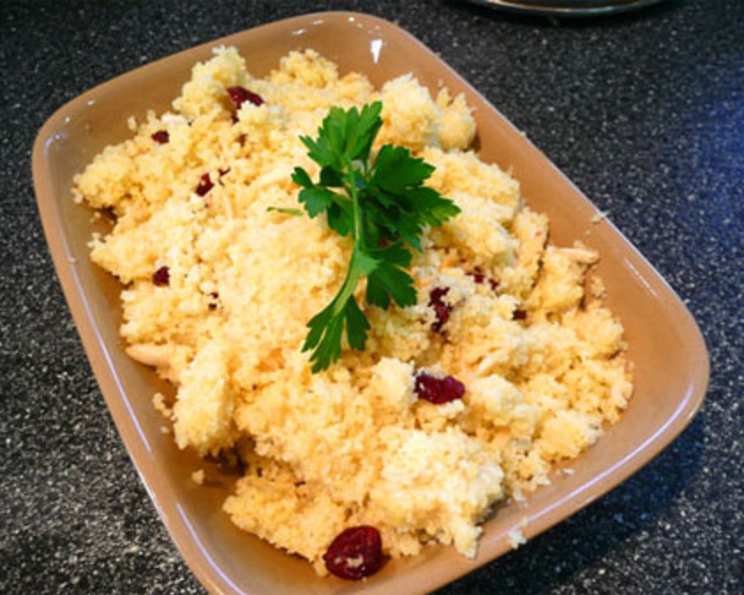
The Secret to Perfectly Fluffy Couscous: A Culinary Revelation
I remember the first time I truly understood couscous. It wasn’t at a fancy restaurant or during a grand culinary training, but in a small, bustling market stall in Marrakech. The air was thick with the scent of spices, and a woman, her hands dusted with semolina, was scooping steaming mounds of couscous from a vast, ornate pot. She handed me a small, warm bowl, and as I lifted it, the grains seemed to shimmer, each one distinct yet part of a harmonious whole. That bite was revelatory – light, tender, and infused with a subtle, savory depth that spoke of simple ingredients treated with respect. It was a far cry from the sticky, clumpy versions I’d encountered before, and it ignited a lifelong quest to recreate that perfect fluffiness.
Recipe Overview
- Prep Time: 5 minutes
- Cook Time: 5 minutes
- Total Time: 10 minutes
- Servings: 6
- Yield: 6 cups
- Dietary Type: Vegan-friendly (if using olive oil)
Ingredients
To achieve that delightful lightness, the ingredients are deceptively simple, yet their quality and precise measurement are key.
- 3 cups chicken broth (vegetable broth is an excellent vegan alternative)
- 1/4 teaspoon salt
- 2 tablespoons olive oil (or 2 tablespoons unsalted butter for a richer flavor)
- 2 1/4 cups couscous (preferably medium grain)
- 1/2 cup currants (optional, for a touch of sweetness)
- 1/2 cup golden raisins (optional, another sweet alternative to currants)
- 1/2 cup slivered almonds (optional, for a pleasant crunch)
Equipment Needed
For this straightforward preparation, you won’t need much beyond your everyday kitchen arsenal.
- A large saucepan with a tight-fitting lid
- Measuring cups and spoons
- A fork
Instructions
The magic of perfect couscous lies in its rapid absorption and resting period. Follow these steps closely, and you’ll be rewarded with a side dish that’s both elegant and incredibly easy to make.
-
Prepare the Liquid Base: Place the chicken broth (or your chosen broth), salt, and olive oil (or unsalted butter) into a large saucepan.
-
Bring to a Boil: Position the saucepan over high heat and bring the liquid mixture to a rolling boil. It’s important to reach a full boil to ensure the couscous cooks evenly and quickly.
-
Incorporate the Couscous: Once the liquid is boiling vigorously, immediately stir in the couscous. Ensure all the grains are submerged in the liquid.
-
Cover and Rest: As soon as the couscous is stirred in, cover the saucepan with its tight-fitting lid and promptly remove the pan from the heat. This step is crucial – the residual heat from the liquid and the pan will gently cook the couscous without drying it out.
-
Allow to Stand: Let the couscous stand, covered, for 5 minutes. Resist the urge to peek during this time; this period allows the couscous to absorb the liquid and steam to perfection.
-
Add Optional Enhancements: After 5 minutes, remove the lid. If you are using any of the optional additions – the currants or golden raisins, and/or the slivered almonds – add them to the saucepan.
-
Fluff and Serve: Gently fluff the couscous with a fork. This separates the grains and incorporates any added ingredients evenly. Serve immediately.
Expert Tips & Tricks
Achieving consistently fluffy couscous is more about understanding the process than mastering complex techniques. Here are a few insights that elevate this simple side dish:
- Broth is Best: While water can be used, chicken broth (or vegetable broth for a vegan option) adds a subtle depth of flavor that makes a world of difference. If using low-sodium broth, you might want to adjust the salt slightly.
- The Right Pan Matters: A heavy-bottomed saucepan helps to distribute heat evenly, preventing scorching on the bottom and ensuring uniform cooking. A tight-fitting lid is non-negotiable; it traps the steam necessary for the couscous to become tender and light.
- Don’t Overcrowd: Ensure your saucepan is large enough. Couscous expands as it cooks, and overcrowding will lead to a gummy texture. For the quantity specified, a 3-quart or larger saucepan should suffice.
- Gentle Fluffing: When fluffing with a fork, be gentle. You’re aiming to separate the grains, not mash them. A few passes with the fork are all that’s needed.
- Immediate Service: Couscous is best enjoyed immediately after fluffing. If it sits for too long, the grains can start to clump together as they cool and dry out.
Serving & Storage Suggestions
This fluffy couscous is a versatile accompaniment, perfect for a wide range of dishes.
Serving:
Serve this couscous as a light and fluffy base for grilled or roasted meats and poultry, fish, or vegetable tagines. It’s also wonderful alongside stews and curries, soaking up delicious sauces. For a vegetarian or vegan main, consider pairing it with spiced chickpeas, roasted vegetables, or a lentil stew. The optional currants, raisins, and almonds add delightful pops of sweetness and texture, making it a more complete dish on its own if desired.
Storage:
While best served fresh, any leftover couscous can be stored in an airtight container in the refrigerator for 1 to 2 days. To reheat, sprinkle a tablespoon or two of water or broth over the couscous and gently warm it in a saucepan over low heat, or microwave it, stirring occasionally. Be careful not to overcook when reheating, as it can become mushy. It’s generally not recommended to freeze couscous, as the texture can degrade upon thawing.
Nutritional Information
| Nutrient | Amount per Serving | % Daily Value |
|---|---|---|
| Calories | 302.9 kcal | N/A |
| Calories from Fat | 76.5 kcal | N/A |
| Total Fat | 8.5 g | 11% |
| Saturated Fat | 1.1 g | 6% |
| Cholesterol | 0 mg | 0% |
| Sodium | 485.1 mg | 21% |
| Total Carbohydrate | 50.7 g | 18% |
| Dietary Fiber | 3.2 g | 11% |
| Sugars | 0.3 g | 1% |
| Protein | 10.7 g | 21% |
(Note: Nutritional values are approximate and will vary based on specific ingredients used, particularly the type of broth and inclusion of optional ingredients.)
Variations & Substitutions
While the recipe as written is wonderfully simple and effective, there’s always room for creative interpretation:
- Herbed Couscous: Stir in a generous handful of finely chopped fresh herbs like parsley, mint, or cilantro along with the optional additions in step 6.
- Spiced Couscous: Add a pinch of cumin, coriander, or turmeric to the broth mixture in step 1 for a fragrant, subtly spiced couscous. A dash of cinnamon can also be lovely, especially if serving with North African-inspired dishes.
- Lemon Zest Couscous: For a bright, fresh lift, add the zest of half a lemon when fluffing the couscous in step 7.
- Broth Alternatives: As mentioned, vegetable broth is an excellent vegan substitute for chicken broth. For an even richer flavor profile, consider using a mushroom broth.
- Grain Variations: While this recipe is specifically for couscous, the method can be adapted for other quick-cooking grains like quinoa (though cooking times and liquid ratios may vary significantly and require separate recipe testing).
FAQs
Q: Why did my couscous turn out sticky or gummy?
A: This usually happens if the couscous is overcooked, if too much liquid was used, or if it wasn’t allowed to rest undisturbed. Ensuring the lid is tight and the pan is removed from heat is critical.
Q: Can I use instant couscous instead of regular couscous?
A: This recipe is designed for regular or medium-grain couscous. Instant couscous cooks even faster and may require different liquid ratios and cooking times, so it’s best to follow package directions for instant varieties.
Q: How do I make this couscous gluten-free?
A: Traditional couscous is made from semolina wheat, so it is not gluten-free. For a gluten-free option, you would need to use a gluten-free grain like quinoa or millet, which would require a different recipe and cooking method.
Q: What’s the difference between couscous and pasta?
A: Couscous is technically a type of pasta made from durum wheat semolina that has been rolled into tiny balls. However, its preparation and texture are distinct, making it function more like a grain in cooking.
Q: Can I add vegetables to my couscous?
A: Yes! You can finely dice vegetables like carrots, bell peppers, or zucchini and sauté them briefly before adding the broth. You can also stir in cooked vegetables after fluffing the couscous.
This simple yet elegant side dish is a testament to the power of proper technique and quality ingredients. It’s the kind of staple that can transform a weeknight meal into something special or serve as a reliable, crowd-pleasing accompaniment for any occasion. Give it a try, and rediscover the joy of perfectly fluffy couscous!