
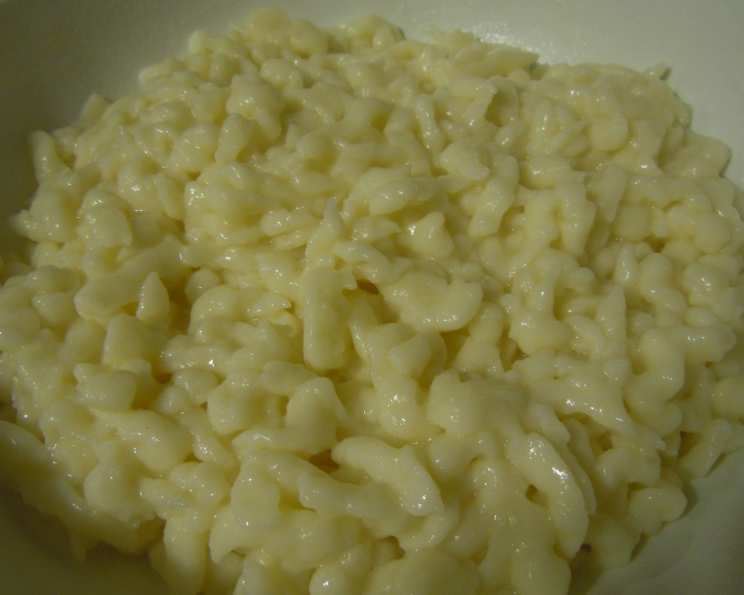
Fluffy Gluten-Free Spaetzle: A Taste of Comfort, Reimagined
There are certain dishes that transport you instantly. For me, spaetzle is one of them. Growing up, the scent of freshly made spaetzle, often served with a hearty sauerbraten or a rich mushroom gravy, was synonymous with cozy Sunday dinners. The texture – that perfect chew, the slight crispness from a quick pan-fry – was pure magic. When I embarked on my gluten-free culinary journey, re-creating those beloved comfort foods felt like a true mission. I experimented endlessly, searching for that elusive fluffy, tender texture that wouldn’t crumble or become gummy. This recipe, a variation I’ve refined over time, achieves just that, offering a lighter, airier spaetzle that truly sings.
Recipe Overview
- Prep Time: 10 minutes
- Cook Time: 10 minutes
- Total Time: 20 minutes
- Servings: 4-6
- Yield: N/A
- Dietary Type: Gluten-Free
Ingredients
- 2 cups Domata Flour
- 1 teaspoon Salt
- 2 large Eggs, beaten
- 1 1/2 cups Milk, plus 1 tablespoon Milk
Equipment Needed
- Large mixing bowl
- Whisk
- Medium saucepan
- Slotted spoon
- Spatula
- Box grater or spaetzle maker
Instructions
Creating these delightful gluten-free spaetzle is a straightforward process that rewards you with a wonderfully comforting dish.
-
In a large mixing bowl, combine the Domata Flour with the salt. Whisk them together thoroughly to ensure the salt is evenly distributed throughout the flour. This initial step is crucial for consistent seasoning in every bite.
-
In a separate bowl, lightly beat the eggs. Once the eggs are just combined, gradually beat in 1 1/2 cups of milk. Ensure the liquid is smooth and homogenous before proceeding.
-
Pour the egg and milk mixture into the bowl with the flour mixture. Using a whisk or a spatula, mix everything together until just combined. It’s important not to overmix; you want a smooth batter. The consistency of the dough will be sticky and thick, which is exactly what you’re aiming for. A slightly thick batter helps the spaetzle hold their shape as they cook.
-
Now comes the fun part: forming the spaetzle. You have a couple of excellent options here. The traditional method involves using the flat side of a large cheese grater. Place a small amount of the dough onto the grater. Then, using a spatula, push the dough through the grater with a side-to-side motion. This action will create small, irregular spaetzle shapes that fall directly into your cooking water. Alternatively, if you have a dedicated spaetzle maker, follow its specific instructions. The key is to get the dough into the boiling water in small, manageable pieces.
-
Fill a medium saucepan with plenty of water and bring it to a rolling boil. You’ll want a generous amount of water so the spaetzle have room to expand and cook evenly without sticking together.
-
Carefully drop the formed spaetzle into the boiling water. Do this in batches to avoid overcrowding the pot. Overcrowding will lower the water temperature too much and cause the spaetzle to clump together, affecting their texture.
-
Boil the spaetzle until they begin to float to the surface. This typically takes about 2 to 3 minutes once they’ve all risen. Once they are floating, they are cooked through.
-
Using a slotted spoon, remove the cooked spaetzle from the boiling water. Gently drain off any excess water.
-
Transfer the hot, drained spaetzle to a bowl. Immediately add a knob of butter and a generous sprinkle of Parmesan cheese. Toss gently to coat. The residual heat from the spaetzle will melt the butter, creating a luscious coating, and the Parmesan will add a wonderful savory depth.
-
Serve your fluffy gluten-free spaetzle immediately. They are incredibly versatile and can be enjoyed in many ways. Beyond the classic butter and Parmesan, they are also delicious served with a rich red sauce, a creamy cheese sauce, a hearty meat sauce, or simply alongside some beautifully sautéed vegetables.
Expert Tips & Tricks
The beauty of spaetzle lies in its simplicity, but a few pro tips can elevate your gluten-free rendition even further. When dealing with gluten-free flours, the hydration levels can sometimes vary. If your dough seems exceptionally thick and difficult to push through the grater, add the remaining 1 tablespoon of milk (or even a tiny bit more, a teaspoon at a time) until you achieve a pourable, but still thick, consistency. Don’t be tempted to make it too runny, as this will result in overly soft or flat spaetzle. When boiling, keep a close eye on the water; a vigorous boil ensures the spaetzle cook quickly and maintain their shape. For an extra layer of flavor and texture, after boiling and draining, you can briefly sauté the spaetzle in a hot pan with a bit of butter or olive oil until they get a light golden-brown crust. This is particularly wonderful if you’re serving them as a side dish rather than a main component of a sauce-based meal.
Serving & Storage Suggestions
These fluffy gluten-free spaetzle are best enjoyed fresh from the pot. The moment they are drained, tossed with butter and Parmesan, and served warm, they offer that perfect comforting bite. If you happen to have leftovers, cool them completely before storing. Place them in an airtight container and refrigerate. They will keep for 2 to 3 days. To reheat, you can either gently warm them in a skillet with a little butter or olive oil, or microwave them for a minute or two until heated through. Be aware that reheating can slightly alter the texture, making them a bit softer, so the skillet method is often preferred for restoring a pleasant chewiness.
Nutritional Information
| Nutrient | Amount per Serving | % Daily Value |
|---|---|---|
| Calories | 324.2 | N/A |
| Calories from Fat | N/A | N/A |
| Total Fat | 6.5 g | 9 % |
| Saturated Fat | 3 g | 15 % |
| Cholesterol | 106.3 mg | 35 % |
| Sodium | 664.8 mg | 27 % |
| Total Carbohydrate | 52.3 g | 17 % |
| Dietary Fiber | 1.7 g | 6 % |
| Sugars | 0.3 g | 1 % |
| Protein | 12.7 g | 25 % |
Nutritional information is an estimate and may vary based on specific ingredients and preparation methods.
Variations & Substitutions
While Domata Flour provides an excellent gluten-free base for this spaetzle recipe, feel free to experiment with other gluten-free all-purpose flour blends that contain xanthan gum. Just be mindful that different blends can absorb liquid differently, so you might need slight adjustments to the milk quantity. For a dairy-free version, substitute the milk with your favorite unsweetened non-dairy milk, such as almond, soy, or oat milk. You’ll also want to omit the Parmesan cheese and use a good quality vegan butter or olive oil for tossing. For an added herbaceous note, consider finely chopping fresh parsley or chives and tossing them in with the melted butter and cheese.
FAQs
Q: What is the best way to ensure my gluten-free spaetzle are fluffy?
A: The key to fluffy spaetzle is a well-balanced batter consistency – not too thick, not too thin – and boiling them in plenty of water without overcrowding the pot.
Q: Can I make the spaetzle dough ahead of time?
A: It’s best to make the spaetzle dough immediately before cooking, as gluten-free batters can break down over time.
Q: My spaetzle are sticking together. What did I do wrong?
A: This usually happens if the water isn’t boiling vigorously enough, the pot is overcrowded, or the batter is too thin. Ensure a rolling boil and cook in batches.
Q: What is “Domata Flour”?
A: Domata Flour is a gluten-free flour blend specifically formulated for baking, often made from a combination of rice flour, potato starch, tapioca starch, and xanthan gum.
Q: Can I freeze cooked spaetzle?
A: While technically possible, cooked spaetzle don’t freeze and reheat as well as freshly made ones. They tend to become mushy. It’s best to consume them fresh or refrigerate leftovers for a day or two.
Final Thoughts
This recipe for fluffy gluten-free spaetzle is a testament to how traditional comfort foods can be beautifully recreated without gluten. It’s a dish that brings warmth to the table, whether served as a simple side or as the star of a comforting meal. I encourage you to try this recipe, embrace the process, and savor the delicious results. Don’t hesitate to share your culinary adventures and any delightful pairings you discover – I always love hearing how these recipes come to life in your kitchens!