
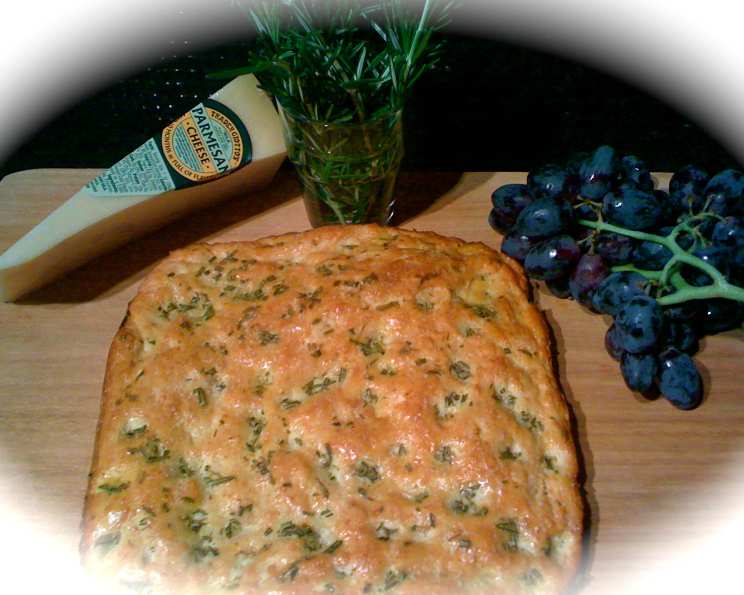
The Irresistible Charm of Focaccia with Rosemary and Parmesan
There are few things in my culinary journey that evoke the rustic warmth of an Italian trattoria quite like a freshly baked focaccia. I remember one particular afternoon, years ago, during a trip through Tuscany. We stumbled upon a tiny, unassuming bakery, its windows steamed from the heat within. The air was thick with the most intoxicating aroma – a symphony of yeast, olive oil, and herbs. It was there I first encountered focaccia, not just as bread, but as an experience. This specific version, studded with salty Parmesan and fragrant rosemary, is a memory I’ve chased ever since, a testament to the simple, profound magic that can be coaxed from humble ingredients.
Recipe Overview
- Prep Time: 2 hours 52 minutes
- Cook Time: 22 minutes
- Total Time: 3 hours 14 minutes
- Servings: 4 people
- Yields: 1 loaf
- Dietary Type: Vegetarian
Ingredients
This focaccia relies on the beauty of a few well-chosen ingredients, each playing a vital role in creating its characteristic texture and flavor.
-
For the Dough:
- 1 teaspoon yeast
- 1/2 cup warm water
- 1 tablespoon extra virgin olive oil
- 1 teaspoon salt
- 1 cup unbleached all-purpose flour
-
For Kneading and Finishing:
- 1/3 cup unbleached all-purpose flour (additional, for kneading)
- 1/2 cup grated Parmesan cheese
- 1 egg yolk
- 1 tablespoon olive oil (for brushing)
- Fresh rosemary sprigs
Equipment Needed
To bring this delightful focaccia to life, you’ll want to have these on hand:
- A large mixing bowl
- A clean kitchen towel
- A square baking sheet (approximately 9×9 inches or similar)
- Plastic wrap
- Your oven
- A cooling rack
Instructions
Crafting this focaccia is a rewarding process, a dance of patience and touch that yields a truly special bread.
- Begin by activating your yeast. In your large mixing bowl, gently combine the yeast with the warm water and let it sit for about 5 minutes. You should see a slight frothing, indicating the yeast is alive and ready to work its magic.
- Next, add the 1 tablespoon of extra virgin olive oil, the 1 teaspoon of salt, and the 1 cup of unbleached all-purpose flour to the bowl with the yeast mixture. Stir everything together.
- Mix the ingredients until a shaggy dough begins to form. The mixture will likely be sticky at this stage.
- Now, it’s time to knead the dough. Turn the dough out onto a lightly floured surface. If the dough is excessively sticky, you can incorporate a little extra flour, but be judicious; too much will make the focaccia dense. Knead the dough for about 8-10 minutes until it becomes smooth and elastic.
- Cover the bowl tightly with plastic wrap and leave the dough to rise at room temperature. This resting period is crucial for developing flavor and texture. Allow it to sit for at least 2 hours, or until the dough has visibly doubled in size.
- Once the dough has risen, gently punch it down to release the air. Turn the dough out onto a lightly floured surface again. Now, knead in the additional 1/3 cup of flour and the 1/2 cup of grated Parmesan cheese. Work these ingredients in until they are evenly distributed throughout the dough.
- Prepare your square baking sheet by lightly greasing it or lining it with parchment paper. Carefully place the dough onto the prepared baking sheet. Using your fingertips, roll the dough flat across the pan, stretching it to fill the surface evenly.
- Cover the baking sheet with a clean kitchen towel and chill the dough in the refrigerator for at least 30 minutes, or even longer if you have the time. This cold fermentation further enhances the flavor and makes the dough easier to handle.
- When you are ready to bake, preheat your oven to 425°F (220°C).
- Remove the focaccia from the refrigerator. Using your fingertips, lightly push into the top of the dough to create dimples. These indentations will help hold the toppings.
- In a small bowl, whisk together the egg yolk and the 1 tablespoon of olive oil for brushing.
- Brush the top of the focaccia generously with this olive oil and egg yolk mixture.
- Sprinkle fresh rosemary sprigs evenly over the oiled surface.
- Bake the focaccia in the preheated oven for approximately 22 minutes, or until the crust is golden brown and the bread is cooked through.
Expert Tips & Tricks
Achieving focaccia perfection is an art, and a few seasoned tips can elevate your bake from good to extraordinary.
- The Power of the Cold Ferment: Don’t underestimate the chilling step. Refrigerating the dough for an extended period, even overnight, develops deeper flavors and a more tender crumb. It also makes the dough less sticky and easier to shape.
- Dimpling Technique: When creating the dimples, be sure to press all the way down to the baking sheet. This ensures that the olive oil and any subsequent toppings pool nicely and don’t just sit on the surface.
- Flour Wisely: When kneading, resist the urge to add too much extra flour. Focaccia dough is meant to be slightly sticky. The goal is to develop gluten, not to create a stiff dough. A bench scraper can be your best friend for handling sticky dough.
- Embrace the Rosemary: Use fresh rosemary for the best aroma and flavor. If fresh isn’t available, you can use dried, but rub it between your fingers before sprinkling to release its oils.
- Oven Quirks: Ovens can vary greatly. Keep an eye on your focaccia during the last 5-10 minutes of baking. If it’s browning too quickly, you can loosely tent it with foil.
Serving & Storage Suggestions
This focaccia is a culinary chameleon, perfect for a variety of occasions.
Serve your warm focaccia directly from the oven, sliced into generous squares. It’s delightful on its own, offering a satisfying chew and a burst of herbal, cheesy flavor. It also makes an exceptional accompaniment to hearty soups, robust pasta dishes, or a simple salad. A drizzle of balsamic glaze over a slice is an added indulgence.
Leftover focaccia can be stored at room temperature for up to 2 days, wrapped tightly in plastic wrap or stored in an airtight container. For longer storage, it can be frozen. To reheat, a few minutes in a warm oven (around 300°F/150°C) will revive its crisp crust and tender interior.
Nutritional Information
Here’s an estimated breakdown of the nutritional content per serving of this delicious focaccia.
| Nutrient | Amount per Serving | % Daily Value |
|---|---|---|
| Calories | 146.8 kcal | N/A |
| Total Fat | 3.8 g | 5% |
| Saturated Fat | 0.5 g | 2% |
| Cholesterol | 0 mg | 0% |
| Sodium | 583.5 mg | 24% |
| Total Carbohydrate | 24.3 g | 8% |
| Dietary Fiber | 1.1 g | 4% |
| Sugars | 0.1 g | 0% |
| Protein | 3.6 g | 7% |
Note: Nutritional information is an estimate and can vary based on specific ingredients and brands used.
Variations & Substitutions
While this classic combination is hard to beat, feel free to personalize your focaccia.
- Herb Variations: Swap rosemary for other fresh herbs like thyme, oregano, or a mix of your favorites.
- Olive Infusion: Incorporate pitted, chopped olives directly into the dough during the kneading stage.
- Spicy Kick: Add a pinch of red pepper flakes to the dough or sprinkle them on top before baking.
- Garlic Lover’s Dream: Gently roast whole garlic cloves and press them into the dough before baking, or finely mince garlic and mix it with the olive oil for brushing.
FAQs
Q: Why is my focaccia dough so sticky?
A: Focaccia dough is meant to be a high-hydration dough, meaning it contains a lot of water, which makes it naturally sticky. Resist the urge to add too much extra flour, as this can result in a dense bread. Use a bench scraper and lightly floured hands to manage it.
Q: Can I make focaccia without a stand mixer?
A: Absolutely! The recipe is designed for hand-kneading, which allows you to feel the dough develop and achieve the perfect texture.
Q: How long does the dough need to rise?
A: The dough needs to rise for at least 2 hours at room temperature, or until it has doubled in size. This time can vary depending on the warmth of your kitchen.
Q: What kind of baking sheet is best for focaccia?
A: A square baking sheet provides an even surface for the dough to spread. You can also use a rectangular baking sheet, but adjust the thickness and baking time accordingly.
Q: Can I freeze the focaccia?
A: Yes, focaccia freezes beautifully. Once completely cooled, wrap it tightly in plastic wrap and then in foil, or place it in a freezer-safe bag. It will keep for up to 2-3 months.
Final Thoughts
There’s a profound satisfaction in creating something so deliciously simple yet incredibly flavorful from scratch. This Focaccia Rosemary and Parmesan is more than just bread; it’s an invitation to slow down, to engage your senses, and to share a moment of authentic culinary pleasure. Whether enjoyed as a simple snack, a side to a meal, or the star of an appetizer platter, its aromatic charm and delightful texture are sure to bring smiles. Give it a try, and let the comforting aroma of baking bread fill your home. Perhaps serve it with a crisp, dry white wine or a vibrant glass of sangiovese, and savor every bite.