
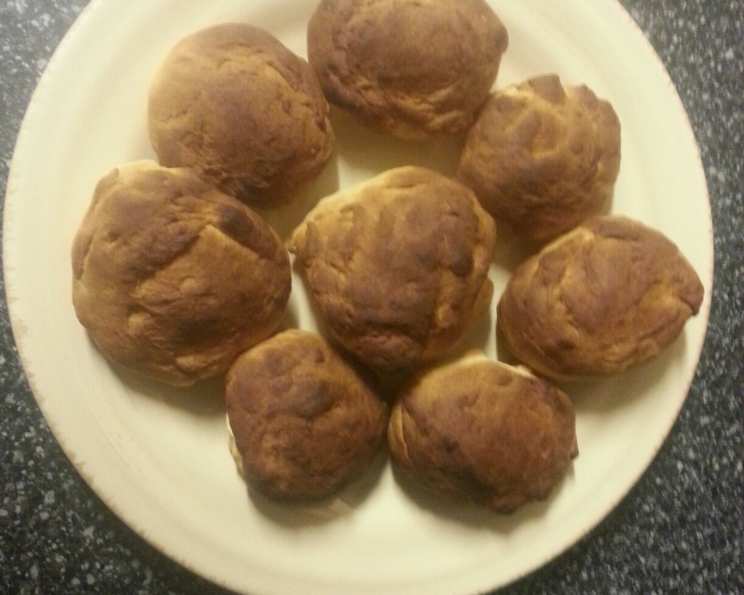
Foolproof Dinner Rolls: The Bread Basket Essential
There are few things more comforting than a warm, freshly baked dinner roll, hot from the oven, with a whisper of steam escaping as you break it open. I remember, as a young apprentice in a bustling restaurant kitchen, being tasked with making dozens upon dozens of these simple, yet vital, accompaniments for our nightly service. Initially, it felt like a chore, repetitive and perhaps even mundane. But as I kneaded, shaped, and watched them puff up in the heat, a quiet satisfaction settled in. It was in those moments, surrounded by the hum of the kitchen and the aroma of baking bread, that I truly understood the magic of transforming basic ingredients into something that brings so much joy. This recipe, incredibly easy and fast, has become my go-to for that very reason – it delivers that comforting, homemade bread experience without any fuss.
Recipe Overview
- Prep Time: 15 minutes
- Cook Time: 20-25 minutes
- Total Time: 35 minutes (plus 30 minutes for rising)
- Servings: 6-8
- Yield: Approximately 12-16 rolls (depending on size)
- Dietary Type: Vegetarian
Ingredients
Gather these simple pantry staples, and you’ll be well on your way to a basket of warm, golden rolls.
- 2 cups all-purpose flour, plus more for dusting
- 1/4 cup granulated sugar
- 1/2 teaspoon salt
- 3 tablespoons shortening (or unsalted butter, softened)
- 1/4 ounce active dry yeast (this is equivalent to 2 1/4 teaspoons)
- 3/4 cup lukewarm water (about 105-115°F or 40-46°C)
Equipment Needed
You won’t need anything fancy for this recipe, just the basics:
- Large mixing bowl
- Measuring cups and spoons
- Baking sheet
- Greasing agent for the baking sheet (oil or butter)
- Rolling pin
- Round cookie cutter or glass (about 2-3 inches in diameter)
Instructions
Let’s get baking! These rolls come together with surprising speed, making them perfect for a weeknight dinner or an impromptu gathering.
-
Preheat your oven: Begin by preheating your oven to 450°F (230°C). This high heat is crucial for achieving that beautiful golden crust and a light, airy interior.
-
Combine dry ingredients: In a large mixing bowl, whisk together the 2 cups of all-purpose flour, the 1/4 cup of sugar, and the 1/2 teaspoon of salt. Make sure these are thoroughly combined before adding the wet ingredients.
-
Incorporate the fat: Add the 3 tablespoons of shortening (or softened butter) to the dry ingredients. You can either cut it in with your fingertips, a pastry blender, or simply use a fork to break it up into smaller pieces. You want it distributed throughout the flour mixture.
-
Activate the yeast: In a separate small bowl or cup, dissolve the 1/4 ounce of active dry yeast (which is 2 1/4 teaspoons) in the 3/4 cup of lukewarm water. Let it sit for about 5 minutes, or until it becomes foamy and bubbly. This indicates that your yeast is alive and active. If it doesn’t foam, your yeast may be old, and you’ll need to start with fresh yeast.
-
Bring it all together: Pour the activated yeast mixture into the bowl with the flour mixture. Stir with a spoon or your hands until a shaggy dough begins to form.
-
Knead briefly: Turn the dough out onto a lightly floured surface. Knead the dough slightly for just a minute or two, until it comes together and is no longer overly sticky. You are not aiming for a fully developed gluten structure as you would with a yeast bread; a brief knead is sufficient here.
-
Shape the rolls: Using your rolling pin, roll out the dough to about 3/4 inch thick on your lightly floured board.
-
Cut the rolls: Use a round cookie cutter or the rim of a glass (approximately 2-3 inches in diameter) to cut out your rolls. You can dip the cutter in flour to prevent sticking. Gather any scraps, briefly knead them together, and roll them out again to cut more rolls until all the dough is used.
-
Arrange and let rise: Grease a baking sheet generously with oil or butter. Place the cut rolls onto the greased baking sheet, leaving a little space between them as they will expand. Cover the baking sheet with a clean kitchen towel or plastic wrap. Let the rolls stand in a warm place for 30 minutes to rise. You’ll notice they become slightly puffier.
-
Bake to golden perfection: Once the 30 minutes are up, bake the rolls in the preheated 450°F (230°C) oven for 20-25 minutes, or until they are golden brown on top and sound hollow when tapped on the bottom.
Expert Tips & Tricks
To elevate your homemade dinner rolls from good to truly spectacular, consider these simple tips:
- The Right Water Temperature: Lukewarm water is key for activating yeast. Too hot and you’ll kill it; too cold and it won’t activate properly. A good rule of thumb is to test it on your wrist – it should feel comfortably warm, not hot.
- Don’t Over-Knead: These rolls rely on a quick process. Over-kneading can result in tough rolls. A minute or two of gentle kneading is all they need to come together.
- Consistent Sizing: For even baking, try to cut your rolls as uniformly as possible. If you have a few larger ones and a few smaller ones, the smaller ones might bake faster.
- Check for Doneness: The 20-25 minute baking time is a guideline. Ovens vary! If your rolls aren’t golden by 20 minutes, peek underneath. If the bottoms are golden, they’re likely done. A gentle tap on the bottom of a roll should produce a hollow sound.
- Brushing with Butter: For an extra touch of richness and a beautiful sheen, you can lightly brush the tops of the rolls with melted butter immediately after they come out of the oven.
Serving & Storage Suggestions
These dinner rolls are best served warm, straight from the oven. They are the perfect accompaniment to any meal, from a hearty stew to a light salad.
- Serving: Serve them hot, perhaps with a pat of butter. They are also delicious alongside soups, chili, or pasta dishes.
- Storage: Once completely cooled, store any leftover rolls in an airtight container or a resealable plastic bag at room temperature for 1-2 days. They tend to dry out in the refrigerator. For longer storage, you can freeze them. Wrap cooled rolls tightly in plastic wrap, then place them in a freezer-safe bag or container. They will keep well in the freezer for up to 2-3 months. To reheat, simply warm them in a 350°F (175°C) oven for about 5-10 minutes, or until heated through.
Nutritional Information
Here is an estimated nutritional breakdown per roll, assuming approximately 14 rolls are made from the recipe:
| Nutrient | Amount per Serving | % Daily Value |
|---|---|---|
| Calories | 150 kcal | 8% |
| Total Fat | 4.5 g | 6% |
| Saturated Fat | 1 g | 5% |
| Cholesterol | 0 mg | 0% |
| Sodium | 120 mg | 5% |
| Total Carbohydrate | 25 g | 9% |
| Dietary Fiber | 0.8 g | 3% |
| Sugars | 5 g | 10% |
| Protein | 2.5 g | 5% |
Note: Nutritional values are estimates and can vary based on specific ingredients and portion sizes.
Variations & Substitutions
While this recipe is wonderfully straightforward, feel free to experiment!
- Whole Wheat Twist: For a nuttier flavor and added fiber, you can substitute up to half of the all-purpose flour with whole wheat flour. You might need to add a splash more water if the dough feels too dry.
- Herb Infusion: Mix in 1-2 teaspoons of dried herbs like rosemary, thyme, or Italian seasoning into the dry ingredients for an aromatic twist.
- Cheesy Goodness: Gently fold in about 1/2 cup of shredded cheddar cheese or Parmesan cheese into the dough just before shaping for a savory roll.
FAQs
Q: Why are my rolls not rising?
A: The most common culprits are inactive yeast or water that was too hot or too cold. Ensure your yeast is fresh and the water is lukewarm. Also, make sure the dough was kept in a warm place for the 30-minute rise.
Q: Can I use bread flour instead of all-purpose flour?
A: Yes, you can! Bread flour will result in a slightly chewier texture due to its higher gluten content.
Q: How can I make softer rolls?
A: Using butter instead of shortening can contribute to a softer crumb. Also, avoid over-baking; remove them from the oven as soon as they are golden brown. Brushing with butter immediately after baking also helps keep them moist.
Q: My rolls are sticking to the baking sheet. What went wrong?
A: It’s essential to grease your baking sheet well. You can use butter, oil, or even line it with parchment paper for an extra layer of non-stick protection.
Q: Can I add a glaze to these rolls?
A: Absolutely! For a touch of sweetness, you can whisk together a tablespoon of milk with a teaspoon of powdered sugar and brush it over the warm rolls as soon as they come out of the oven.
Final Thoughts
There’s a profound satisfaction in pulling a batch of these foolproof dinner rolls from the oven. They are a testament to the idea that delicious, homemade bread doesn’t need to be complicated. Whether you’re a seasoned baker or just starting your culinary journey, this recipe is designed to deliver success, time and time again. Serve them proudly with your favorite meals, share them with loved ones, and savor the simple pleasure of warm, homemade bread. I find they pair beautifully with a robust red wine or, for a non-alcoholic option, a crisp, sparkling cider. Enjoy the process, and more importantly, enjoy the delightful results!