
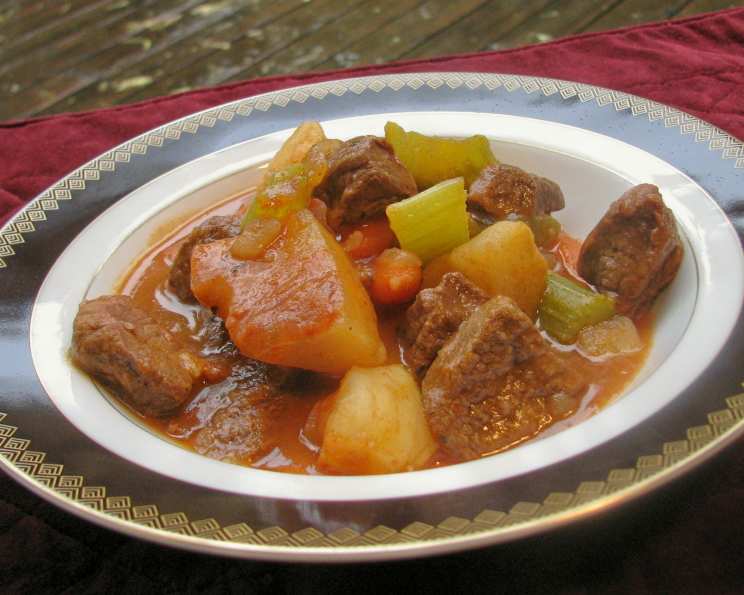
Forgotten Stew: A Comforting Culinary Hug from the Past
There are some dishes that whisper tales of family gatherings, of kitchens filled with the comforting aroma of simmering goodness, and of hands that have passed down traditions through generations. “Forgotten Stew” is one of those for me. It’s a recipe that doesn’t boast fancy techniques or exotic ingredients; instead, it relies on the humble magic of simple, wholesome components coming together to create something truly special. I remember my Aunt Bunny, a woman whose kitchen was always a haven of warmth and deliciousness, making this stew. While the specifics of its origin are a delightful mystery, the way it became a staple in my own mother’s repertoire, and eventually found its cherished place in my cookbook, speaks volumes about its enduring appeal. It’s the kind of dish that reminds you why cooking from the heart is so profoundly satisfying, proving that sometimes, the easiest recipes are indeed the most rewarding.
Recipe Overview
- Prep Time: 20 minutes
- Cook Time: 3 hours
- Total Time: 3 hours 20 minutes
- Servings: 4-6
- Yields: Approximately 4-6 servings
- Dietary Type: Adaptable (see variations for vegetarian/vegan)
Ingredients
This stew is a testament to simplicity, with a focus on readily available ingredients that build layers of flavor as they meld together.
- 1 1⁄2 lbs cubed beef (chuck roast or stewing beef works beautifully)
- 2 celery ribs, chopped
- 4 carrots, chopped
- 2 large onions, sliced
- 1 (10.5 ounce) can tomato soup, undiluted
- 0.5 (10 ounce) can water (use the empty soup can to measure)
- 3 medium potatoes, peeled and cubed (about 1-inch pieces)
- 1⁄2 teaspoon salt
- 1⁄2 teaspoon paprika
- 1⁄2 teaspoon pepper
- 1⁄2 teaspoon thyme
- 1⁄2 teaspoon basil
Equipment Needed
- A 3-quart casserole dish with a tight-fitting lid
- Measuring cups and spoons
- A knife and cutting board for preparing vegetables
- A stirring spoon
Instructions
The beauty of Forgotten Stew lies in its almost effortless preparation. It’s a true “set it and forget it” kind of recipe, perfect for busy days when you crave a hearty, homemade meal without the fuss.
- Combine All Ingredients: Begin by placing all of your prepared ingredients directly into your 3-quart casserole dish. This includes the cubed beef, chopped celery, chopped carrots, sliced onions, undiluted tomato soup, water, cubed potatoes, salt, paprika, pepper, thyme, and basil.
- Stir to Mix: Using your stirring spoon, thoroughly mix all the ingredients together. Ensure that the beef and vegetables are well coated with the tomato soup and that the seasonings are evenly distributed throughout the mixture. This step is crucial for ensuring every bite is infused with flavor.
- Cover and Bake: Once everything is well combined, cover the casserole dish tightly with its lid. This is essential for trapping the steam and moisture, which will help to tenderize the beef and cook the vegetables evenly.
- Bake for 3 Hours: Place the covered casserole dish into a preheated oven set at 350°F (175°C). Allow the stew to bake for approximately 3 hours. The long, slow cooking time is what transforms the humble ingredients into a rich, tender, and deeply flavorful stew. You’ll know it’s ready when the beef is fork-tender and the vegetables are soft and cooked through.
- Serve: Once the cooking time is complete, carefully remove the casserole dish from the oven. Ladle the hot stew into bowls. This stew is wonderfully comforting served on its own, or even better with baking powder biscuits or warm, crusty rolls for dipping up every last drop of the delicious broth.
Expert Tips & Tricks
While this recipe is celebrated for its simplicity, a few minor adjustments can elevate it further. If you have a bit more time and want to deepen the beef’s flavor, you can always flour and brown the beef cubes in a skillet before adding them to the casserole dish with the other ingredients. This creates a richer crust on the beef and a more complex base for the stew. However, as Aunt Bunny’s original recipe proves, even skipping this step results in a wonderfully satisfying meal. Another tip is to ensure your lid is truly tight-fitting; if it’s not, you might consider using a layer of aluminum foil under the lid to create a better seal, preventing too much moisture from escaping during the long bake.
Serving & Storage Suggestions
Forgotten Stew is at its best served piping hot, straight from the oven. The aroma alone is enough to bring everyone to the table. For an attractive presentation, a scattering of fresh, chopped parsley over the top can add a burst of color and freshness.
Leftovers of Forgotten Stew are a true gift. They tend to be even more flavorful the next day as the ingredients have had more time to meld. Store any leftover stew in an airtight container in the refrigerator for up to 3-4 days. To reheat, gently warm it on the stovetop over low heat, stirring occasionally, or reheat in the microwave. If the stew seems a bit thick after refrigeration, you can add a splash of water or beef broth to loosen it up.
Nutritional Information
(Please note: Nutritional values are estimates and can vary based on specific ingredients used.)
| Nutrient | Amount per Serving | % Daily Value |
|---|---|---|
| Calories | 450 – 550 kcal | (Varies) |
| Total Fat | 20 – 30 g | 25 – 40% |
| Saturated Fat | 8 – 12 g | 40 – 60% |
| Cholesterol | 80 – 100 mg | 27 – 33% |
| Sodium | 600 – 800 mg | 26 – 35% |
| Total Carbohydrate | 30 – 40 g | 11 – 15% |
| Dietary Fiber | 4 – 6 g | 14 – 21% |
| Sugars | 10 – 15 g | (Varies) |
| Protein | 30 – 40 g | 60 – 80% |
Variations & Substitutions
While the classic beef version is undeniably delicious, this stew is wonderfully adaptable.
- Chicken Stew: For a lighter take, cubed chicken thighs or breasts can be used in place of beef. You may need to reduce the cooking time slightly, checking for tenderness after about 2 to 2.5 hours.
- Vegetarian/Vegan Option: To create a hearty vegetarian or vegan stew, omit the beef. You can increase the amount of potatoes and add other hearty vegetables like parsnips, sweet potatoes, or mushrooms. For a richer, more savory broth, consider adding a tablespoon of nutritional yeast and a splash of soy sauce or tamari along with the tomato soup and water. Ensure your tomato soup is dairy-free if aiming for vegan.
- Herbal Infusion: Feel free to experiment with other dried herbs like rosemary or oregano alongside or in place of the thyme and basil. A pinch of bay leaf during cooking can also add a subtle depth.
- Enriched Broth: If you have beef broth on hand, you can substitute some or all of the water with it for an even richer flavor profile. If you opt to add wine, as mentioned in the introduction, a splash of dry red wine (about 1/2 cup) can be added to the pot. You’ll want to let it simmer for a few minutes to reduce before adding the other liquids and proceeding with the bake.
FAQs
Q: Can I make this stew in a slow cooker?
A: Absolutely! Combine all ingredients in your slow cooker and cook on low for 6-8 hours or on high for 3-4 hours, until the beef is tender.
Q: My stew seems a bit bland. How can I adjust the seasoning?
A: Taste the stew towards the end of the cooking time and add more salt, pepper, or other herbs and spices as needed. A splash of Worcestershire sauce can also add umami.
Q: What kind of potatoes are best for this stew?
A: Waxy potatoes like Yukon Gold or red potatoes hold their shape well during the long cooking time. Starchy potatoes like Russets can become a bit too soft.
Q: Can I add other vegetables to the stew?
A: Yes! Peas, corn, or green beans can be added during the last 30 minutes of cooking for added color and texture.
Q: How can I thicken the stew if it’s too thin?
A: You can create a slurry by mixing 1-2 tablespoons of cornstarch with an equal amount of cold water, then stirring it into the simmering stew until it thickens. Alternatively, you can mash some of the cooked potatoes against the side of the pot to release their starch.
This Forgotten Stew is more than just a recipe; it’s an invitation to slow down, to savor the simple pleasures, and to connect with the comforting traditions of home cooking. It’s a dish that asks for little but gives so much in return – warmth, flavor, and a sense of well-being. Serve it with a smile, and let its gentle, timeless goodness fill your table.