
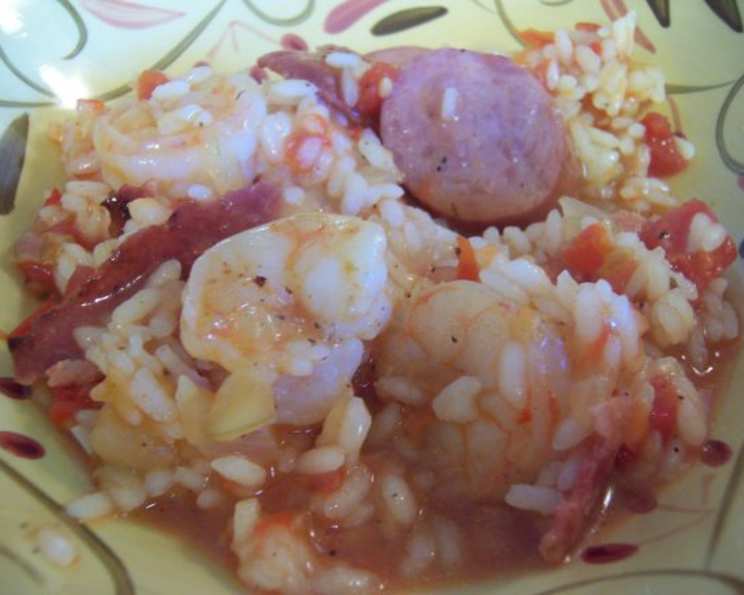
The Quintessential Four Meat Jambalaya: A Symphony of Flavors
There are some dishes that transport you instantly, not just to a place, but to a feeling, a memory. For me, jambalaya is one of those dishes. I can still vividly recall the first time I truly tasted it, not just as a student in a bustling New Orleans café, but as someone who understood the alchemy of a well-made pot. It wasn’t just the rice and the myriad of meats; it was the deep, smoky, spicy aroma that clung to the air, promising a feast of communal joy. It’s the kind of meal that brings people together, a vibrant canvas where every ingredient plays its part in a delicious, harmonious dance. This particular rendition, born from a spark of inspiration and a desire to capture that very essence, is a celebration of abundance and bold, unadulterated flavor.
Recipe Overview
- Prep Time: 45 minutes
- Cook Time: 1 hour
- Total Time: 1 hour 45 minutes
- Servings: 6-8
- Yield: Approximately 8 cups
- Dietary Type: Not specified
Ingredients
This jambalaya is a celebration of diverse textures and savory depths, built from a foundation of classic aromatics and layered with the richness of four distinct meats.
- 4–6 slices bacon, chopped
- 1–2 boneless, skinless chicken breasts, chopped
- 3 small onions, chopped
- 1 green bell pepper, chopped
- 1/4 cup celery, diced
- 4 garlic cloves, minced
- 1 tablespoon olive oil
- 1 (16 ounce) package smoked sausage, chopped
- 1 lb shrimp, peeled and de-veined and cooked
- 1 (14 1/2 ounce) can diced tomatoes
- 1 1/2 cups long grain rice, uncooked
- 3 cups chicken broth
- 1 teaspoon salt
- 1/2 teaspoon ground pepper
- 1/4 – 1/2 teaspoon ground thyme (to taste)
- 1/2 – 3/4 teaspoon Tabasco sauce (to taste)
- 1 bay leaf
Equipment Needed
For this hearty jambalaya, you’ll want a few key pieces of equipment:
- A Dutch oven or a large, heavy-bottomed pot with a lid. This is crucial for even heat distribution and for building those deep, foundational flavors.
- A paper towel-lined bowl for draining the cooked meats.
- A measuring cup for liquids and dry ingredients.
- A measuring spoon set.
- A wooden spoon or sturdy spatula for stirring.
Instructions
The journey to a perfect jambalaya is one of patience and thoughtful layering. Follow these steps to unlock its full potential:
- In your Dutch oven, begin by frying the bacon until it’s nicely rendered and crisp. Then, add the chopped chicken breast and continue to cook until it’s done. It’s important to achieve a good sear on the chicken for added flavor.
- Once the bacon and chicken are cooked through, remove them from the Dutch oven and transfer them to a paper towel-lined bowl. It’s crucial to leave all the rendered grease in the pan, as this is where a significant portion of the dish’s flavor will be built.
- To the grease remaining in the Dutch oven, add the chopped onions, minced garlic cloves, chopped green bell pepper, and diced celery. Cook this aromatic mixture, stirring occasionally, for about 5–7 minutes, or until the vegetables have softened and become fragrant.
- Next, introduce the chopped smoked sausage and the cooked shrimp to the vegetable mixture. Cook for about 4 minutes, or until the sausage is heated through and the shrimp are warmed. Be vigilant here: cook this mixture for too long, and the shrimp will become tough, compromising the texture of your final dish.
- Remove this entire meat and vegetable mixture from the pan and set it aside.
- In the same Dutch oven, add about one tablespoon of olive oil.
- Now, it’s time for the rice. Add the uncooked long grain rice to the pan. Cook for approximately ten minutes, stirring frequently. This constant stirring is vital to prevent the rice from scorching and to toast it slightly, which enhances its nutty flavor.
- Pour in the chicken broth, diced tomatoes, salt, ground pepper, ground thyme, Tabasco sauce, and add the bay leaf. Stir everything to combine.
- Bring this liquid mixture to a rolling boil. Once boiling, reduce the heat to a simmer, cover the Dutch oven tightly, and cook for about 15–20 minutes. The rice should be tender and have absorbed most of the liquid.
- After the simmering time, remove and discard the bay leaf from the rice mixture.
- Finally, stir in your reserved bacon and chicken mixture, along with the set-aside shrimp and onion mixture. Stir gently to combine all the ingredients thoroughly.
- Allow the jambalaya to rest, covered, for a few minutes before serving, allowing the flavors to meld beautifully.
Expert Tips & Tricks
- The Holy Trinity: The combination of onion, bell pepper, and celery, often referred to as “the holy trinity” in Creole and Cajun cooking, is fundamental. Ensure your dice is relatively uniform for even cooking.
- Render the Fat: Don’t be shy with the bacon! Rendering its fat properly provides the flavor base for the vegetables and subsequent ingredients. If you find you have an excessive amount of fat, you can spoon some out before adding the vegetables, but a good amount is essential.
- Shrimp Readiness: Since the shrimp is added pre-cooked, its role is to absorb the flavors of the jambalaya and add a final burst of succulent texture. Overcooking it here will make it rubbery, so a brief incorporation at the end is key.
- Rice Selection: Long-grain rice is preferred for jambalaya as it cooks up fluffy and separate, preventing a mushy final product. Avoid parboiled or instant rice.
- Spice Level Adjustment: The thyme and Tabasco are your primary drivers of warmth and spice. Taste and adjust as you go, especially the Tabasco, to achieve your desired level of heat. It’s always easier to add more than to take away.
Serving & Storage Suggestions
Jambalaya is a hearty, complete meal in itself, perfect for a casual family dinner or a lively gathering. Serve it piping hot directly from the Dutch oven, perhaps garnished with a sprinkle of fresh chopped parsley or chives for a touch of brightness. A simple green salad or some crusty French bread are excellent accompaniments to sop up any remaining flavorful sauce.
For storage, allow the jambalaya to cool completely before transferring it to an airtight container. It will keep well in the refrigerator for 3–4 days. To reheat, you can gently warm it on the stovetop over low heat, adding a splash of chicken broth or water if it seems a little dry. Alternatively, you can reheat individual portions in the microwave. Freezing is also an option; it can be stored in the freezer for up to 2 months. Thaw overnight in the refrigerator before reheating.
Nutritional Information
| Nutrient | Amount per Serving | % Daily Value |
|---|---|---|
| Calories | 726.3 kcal | |
| Calories from Fat | 330 g | |
| Total Fat | 36.7 g | 56 % |
| Saturated Fat | 12.3 g | 61 % |
| Cholesterol | 223.5 mg | 74 % |
| Sodium | 2439.2 mg | 101 % |
| Total Carbohydrate | 49 g | 16 % |
| Dietary Fiber | 2.6 g | 10 % |
| Sugars | 5 g | 20 % |
| Protein | 46.8 g | 93 % |
(Nutritional information is an estimate and can vary based on specific ingredients and portion sizes.)
Variations & Substitutions
While this recipe embraces the richness of four meats, jambalaya is wonderfully adaptable.
- Other Meats: Feel free to swap in other proteins like andouille sausage, tasso ham, or even diced pork shoulder that has been browned. If you prefer to keep it to three meats, you can omit the shrimp or the bacon.
- Spicier Kick: For those who crave more heat, consider adding a pinch of cayenne pepper along with the salt and pepper, or incorporating a diced jalapeño or serrano pepper with the other aromatics.
- Vegetarian Adaptation: While this is a meat-lover’s dream, a vegetarian version could be made by substituting the meats with hearty vegetables like mushrooms, extra bell peppers, zucchini, and perhaps some plant-based sausage. Use vegetable broth instead of chicken broth.
FAQs
Q: Why is it important to leave the bacon and chicken grease in the pan?
A: The rendered fat from the bacon and chicken is packed with flavor. Cooking the vegetables in this fat infuses them with savory notes that form the delicious base of the jambalaya.
Q: Can I use a different type of rice?
A: While long-grain rice is recommended for its fluffy texture, medium-grain rice can also work. However, avoid short-grain or arborio rice, as they tend to become mushy.
Q: How can I make my jambalaya less greasy?
A: If the rendered bacon and chicken fat is excessive, you can carefully spoon out some of it before adding the vegetables. However, a certain amount of fat is necessary for flavor development.
Q: My rice seems a bit dry after simmering. What did I do wrong?
A: Ensure your Dutch oven is tightly covered during the simmer to trap steam. If it’s still dry, you can add a little more chicken broth and let it simmer for a few more minutes.
Q: Can I make this dish ahead of time?
A: Yes, jambalaya can be made a day in advance. The flavors often meld and deepen overnight, making it even more delicious. Reheat gently on the stovetop.
Final Thoughts
There’s a certain magic that happens when humble ingredients come together in a pot like this. This Four Meat Jambalaya is more than just a recipe; it’s an invitation to gather, to share, and to savor the vibrant spirit of soulful cooking. I encourage you to dive in, to let the aromas fill your kitchen, and to enjoy the fruits of your labor. Whether you’re a seasoned cook or just starting your culinary adventure, this jambalaya is sure to be a crowd-pleaser that leaves everyone asking for seconds. Perhaps a crisp, dry white wine or a refreshing iced tea would be a perfect companion to this robust dish. Happy cooking!