
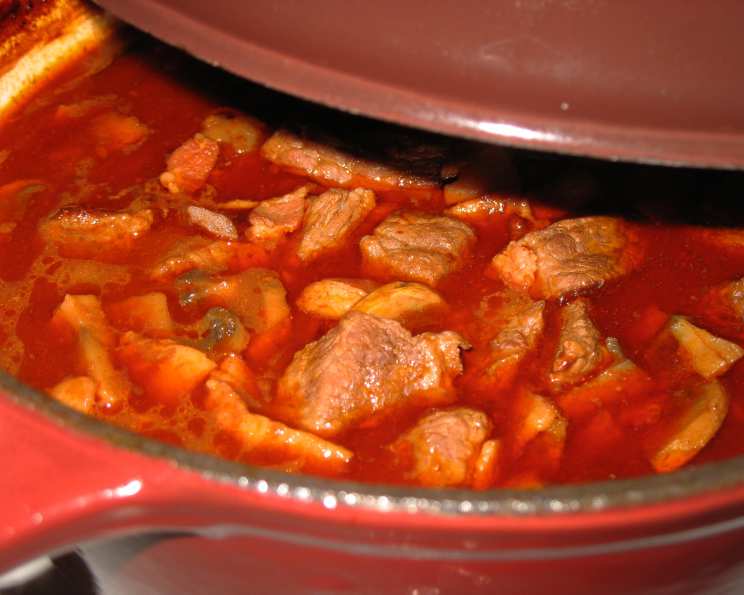
A Taste of Tradition: The Comforting French Beef Casserole
There are certain dishes that, with their first rich aroma, transport you. For me, this French Beef Casserole is one of them. It’s a scent that speaks of slow Sunday afternoons, the warmth of a hearth, and the satisfying hum of contented stomachs. I remember my grandmother, her hands dusted with flour, humming a little tune as she stirred a pot much like this one, the rich fragrance of beef, wine, and herbs slowly filling her small kitchen. It was more than just a meal; it was an edible hug, a testament to the power of simple, quality ingredients transformed by time and care into something truly magical. This casserole, with its deep, complex flavors and meltingly tender beef, captures that very essence of home.
Recipe Overview
- Prep Time: 20 minutes
- Cook Time: 1 hour 45 minutes
- Total Time: 2 hours 5 minutes
- Servings: 4
- Yield: 1 casserole dish
- Dietary Type: Classic French
Ingredients
To craft this deeply satisfying French Beef Casserole, gather these essential components:
- 2 tablespoons olive oil
- 6 slices bacon, coarsely chopped
- 1 onion, finely sliced
- 2 garlic cloves, finely chopped
- 1/2 cup red wine
- 1 kg beef, topside trimmed of fat, cut into 3cm pieces
- 1 1/2 cups tomato puree
- 1 cup reduced-sodium beef broth
- 2 tablespoons Kikkoman Naturally Brewed Soy Sauce
- 2 bay leaves
- 200 g large flat mushrooms, quartered
- Chopped parsley, for serving
- Mashed potatoes, to serve
Equipment Needed
For this recipe, you’ll primarily need:
- A flameproof casserole dish (large enough to hold all ingredients)
- A stovetop
- An oven
Instructions
Embarking on the creation of this French Beef Casserole is a rewarding journey, best undertaken with a sense of calm and a keen eye for detail. The process is designed to build layers of flavor, culminating in a dish that is both robust and remarkably tender.
- Preheat your oven to 180 degrees Celsius (350 degrees Fahrenheit). This initial step ensures that the oven is at the optimal temperature when your casserole is ready to bake, allowing for even cooking from the moment it enters.
- Heat half of the olive oil in your flameproof casserole dish over medium-high heat. It’s crucial to get the pan nice and hot before adding the beef.
- Add the beef in batches. This is a vital step to ensure the beef browns properly rather than steams. You want to achieve a beautiful sear on all sides. As each batch is browned, set it aside. Repeat this process for the remaining beef, making sure to set aside each batch separately.
- Reduce the heat to medium, then add the remaining olive oil to the casserole dish.
- Add the chopped bacon, sliced onion, and chopped garlic. Cook, stirring occasionally, until the onion softens and becomes translucent. This aromatic foundation is key to the casserole’s depth of flavor.
- Pour in the red wine. As it heats, stir the bottom of the dish well, diligently dislodging any bits which may have cooked onto the bottom. This deglazing process captures all the caramelized goodness left from browning the beef, infusing the wine with intense flavor.
- Return the browned beef to the casserole dish. Add the tomato puree, beef broth, Kikkoman Naturally Brewed Soy Sauce, bay leaves, and the quartered mushrooms. Stir everything together to ensure the beef and vegetables are well coated in the liquid and puree.
- Cover the casserole dish with its lid. Bake in the preheated oven for 1 ½ hours. The goal here is to allow the beef to cook slowly and become incredibly tender.
- After 1 ½ hours, uncover the casserole dish. Continue to cook for another 15 minutes, or until the liquid has reduced slightly, achieving a richer, more concentrated sauce. This final uncovered stage allows for a bit of evaporation and flavor concentration.
- Remove the casserole from the oven. Allow it to stand for 10 minutes before serving. This resting period is crucial for allowing the juices to redistribute within the beef, ensuring maximum tenderness and moisture.
- Serve the casserole straight from the dish, topped with chopped parsley. We recommend serving it with mashed potatoes on the side, which are perfect for soaking up every last drop of that glorious sauce.
Expert Tips & Tricks
To elevate your French Beef Casserole from delicious to truly exceptional, consider these seasoned insights:
- Beef Selection: While topside is specified for its lean nature and ability to become tender with slow cooking, a well-marbled chuck roast or even short ribs would also yield fantastic results, albeit with a slightly richer, more unctuous texture. Ensure your beef is cut into uniform 3cm pieces for even cooking.
- Browning is Key: Don’t rush the browning process. Properly searing the beef in batches creates the Maillard reaction, which is responsible for developing those deep, complex flavors that define a great casserole. A hot pan and patience are your best friends here.
- The Power of Deglazing: That step where you scrape up the bits from the bottom of the pan after adding the wine is non-negotiable. It’s a treasure trove of flavor that will transform your sauce.
- Mushroom Magic: Large flat mushrooms are ideal for their meaty texture and ability to absorb the rich sauce. If you can’t find them, cremini or portobello mushrooms, quartered or thickly sliced, will also work beautifully.
- Soy Sauce for Umami: The Kikkoman Naturally Brewed Soy Sauce isn’t just for seasoning; it adds a crucial layer of umami depth that complements the beef and red wine wonderfully, a subtle nod to the original recipe’s inspiration.
- Make Ahead Marvel: This casserole is a fantastic make-ahead dish. In fact, many would argue it tastes even better the next day as the flavors have more time to meld. Prepare it fully, let it cool, then refrigerate. Reheat gently on the stovetop or in the oven.
Serving & Storage Suggestions
This French Beef Casserole is a dish that truly shines when served family-style, directly from its cooking vessel. The rustic charm of presenting it from the casserole dish adds to its appeal. A generous sprinkle of freshly chopped parsley provides a bright, herbaceous counterpoint to the rich, savory depths of the stew. The accompanying mashed potatoes are not merely an accompaniment but an integral part of the experience, their creamy texture a perfect canvas for the luscious sauce.
For storage, once the casserole has cooled completely, transfer any leftovers to an airtight container. It will keep well in the refrigerator for up to 3-4 days. When you’re ready to enjoy it again, gently reheat it on the stovetop over low heat, stirring occasionally, or in a preheated oven at around 160°C (325°F) until heated through. Freezing is also an option; it can be frozen for up to 2-3 months. Ensure it’s well-wrapped to prevent freezer burn. Thaw overnight in the refrigerator before reheating.
Nutritional Information
Here is an estimated nutritional breakdown per serving. Please note that these values are approximate and can vary based on specific ingredients and portion sizes.
| Nutrient | Amount per Serving | % Daily Value |
|---|---|---|
| Calories | 1886.7 kcal | |
| Calories from Fat | 1707 g | 91% |
| Total Fat | 189.7 g | 291% |
| Saturated Fat | 76.4 g | 382% |
| Cholesterol | 255.7 mg | 85% |
| Sodium | 698.4 mg | 29% |
| Total Carbohydrate | 14 g | 4% |
| Dietary Fiber | 2.7 g | 10% |
| Sugars | 6.7 g | 26% |
| Protein | 25.9 g | 51% |
Variations & Substitutions
While this recipe is a classic for a reason, a few thoughtful adjustments can tailor it to different preferences or available ingredients:
- Vegetable Additions: Feel free to enrich the casserole with other root vegetables like carrots, celery, or parsnips, chopped into similar-sized pieces. They will add sweetness and depth.
- Herbaceous Notes: Beyond bay leaves and parsley, consider adding a sprig of fresh thyme or rosemary during the slow cooking process for an extra aromatic dimension. Remember to remove them before serving.
- For a Thicker Sauce: If you prefer a considerably thicker sauce after the initial cooking, you can create a slurry by mixing 1 tablespoon of cornstarch with 2 tablespoons of cold water and stirring it into the simmering casserole during the final 15 minutes of cooking.
- Wine Alternatives: If red wine is not your preference or is unavailable, a good quality beef broth can be used as a substitute, though the depth of flavor will be slightly different. You could also try a splash of balsamic vinegar for a touch of acidity and complexity.
FAQs
Q: Can I use a different cut of beef for this casserole?
A: Absolutely. While topside is recommended, cuts like chuck roast, brisket, or even lamb shoulder would work well, benefiting from the slow cooking process.
Q: How do I ensure the beef is tender?
A: The combination of slow cooking (1.5 hours covered, then 15 minutes uncovered) and allowing the casserole to rest for 10 minutes after cooking is crucial for achieving tender beef. Ensure your oven temperature is accurate.
Q: Can I make this dish in a slow cooker?
A: Yes, this recipe adapts beautifully to a slow cooker. After browning the beef and sautéing the aromatics, transfer everything to your slow cooker and cook on low for 6-8 hours or on high for 3-4 hours. You may need to reduce the liquid slightly towards the end if it seems too thin.
Q: What kind of red wine is best for this casserole?
A: A dry red wine such as a Merlot, Cabernet Sauvignon, or a Burgundy works wonderfully. The goal is a wine that has good flavor but isn’t overly sweet or heavy.
Q: How do I prevent the casserole from becoming too salty?
A: The recipe uses reduced-sodium beef broth and soy sauce, which helps control saltiness. Taste the sauce before adding any additional salt, especially after the soy sauce has been incorporated.
Final Thoughts
This French Beef Casserole is more than just a recipe; it’s an invitation to gather, to savor, and to connect. It’s a dish that whispers of time-honored techniques and the comforting embrace of home-cooked meals. I encourage you to try it, to let its rich aroma fill your kitchen, and to share its warmth with your loved ones. Serve it with a robust glass of red wine, perhaps a Syrah or a Grenache, to complement the deep flavors of the beef. I eagerly await your feedback – may it bring as much joy and comfort to your table as it does to mine.