
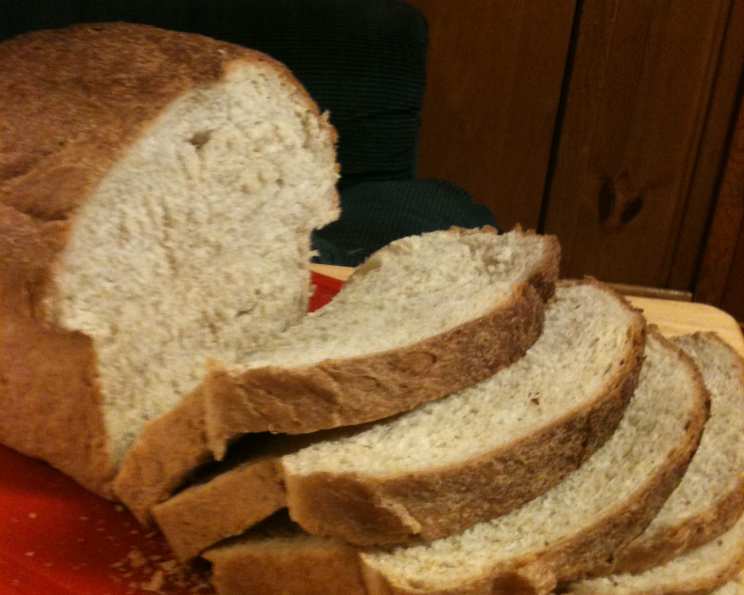
A Rustic Hearty Loaf: My Journey with 10-Grain French Bread
There’s a certain alchemy that happens in the kitchen when flour, water, yeast, and a few humble grains transform into a crusty, aromatic loaf of bread. For me, this 10-Grain French Bread holds a special place. I remember as a young apprentice, tasked with preparing dough for the day’s bakery output, the rhythmic thud of the kneading machine was a constant companion. But it was when we introduced whole grains, the hearty texture and nutty aroma of the 10-grain cereal, that the bread truly sang. It felt like a whisper of the earth, a delicious complexity that elevated a simple baguette into something truly substantial and satisfying. This isn’t just bread; it’s a testament to wholesome ingredients and a patient process.
Recipe Overview
- Prep Time: Approximately 20 minutes active prep, plus 20 minutes for soaking cereal
- Cook Time: 30-35 minutes
- Total Time: Approximately 2 hours 15 minutes (including rising)
- Yields: 2 Loaves
- Serves: 2 (or more, depending on slicing!)
- Dietary Type: Contains Wheat
Ingredients
Here’s what you’ll need to create these deeply flavorful, wholesome loaves:
- For the Cereal Soaker:
- ½ cup boiling water
- ¼ cup Bob’s Red Mill 10-Grain Cereal (or a similar blend of whole grains)
- For the Dough:
- 1 cup lukewarm water (around 105-115°F or 40-46°C)
- 1 tablespoon olive oil
- 2 tablespoons honey (or 2 tablespoons brown sugar)
- 1 ½ teaspoons salt
- ½ cup whole white-wheat flour
- ¼ cup whole wheat flour
- 3 to 3 ½ cups bread flour
- 1 tablespoon vital wheat gluten (optional, but recommended for better rise and texture)
- 2 ½ teaspoons instant yeast
Equipment Needed
To bring this recipe to life, you’ll want to have the following on hand:
- A medium bowl for soaking the cereal
- A large bowl for mixing the dough (or your bread machine pan)
- Measuring cups and spoons
- A baking sheet or a French/baguette pan
- A sharp knife or lame for scoring
- A cooling rack
Instructions
Crafting this 10-Grain French Bread is a rewarding experience, blending a few key steps to achieve a beautifully textured and flavorful result.
-
Prepare the Cereal Soaker: In a medium bowl, combine the ½ cup of boiling water and ¼ cup of Bob’s Red Mill 10-Grain Cereal. Stir them together, then set this mixture aside. Allow it to sit for at least 20 minutes, or until it has cooled to lukewarm. This process softens the grains, making them more pliable and easier to incorporate into the dough, contributing to a delightful texture in the finished bread.
-
Combine Wet Ingredients and Flavorings: Once the cereal mixture has cooled to lukewarm, pour it into the pan of your bread machine. Add the 1 cup of lukewarm water, 1 tablespoon of olive oil, 2 tablespoons of honey (or brown sugar), and 1 ½ teaspoons of salt. These foundational elements will form the liquid base and flavor profile of your dough.
-
Add the Flours and Dry Ingredients: Now, it’s time to introduce the dry ingredients. Add ½ cup of whole white-wheat flour, ¼ cup of whole wheat flour, and if you’re using it, 1 tablespoon of vital wheat gluten. Next, add 3 cups of the bread flour. Finally, sprinkle the 2 ½ teaspoons of instant yeast over the top. If using a bread machine, ensure the yeast is added last, not coming into direct contact with the salt initially, as salt can inhibit yeast activity.
-
Mix and Knead the Dough: Start your bread machine on the dough setting. This setting will expertly mix and knead the ingredients for you. As the machine works, keep an eye on the dough’s consistency. You’re looking for a dough that is just slightly sticky to the touch. If it appears too sticky, add up to an additional ½ cup of bread flour, a tablespoon at a time, until the desired consistency is reached. Conversely, if the dough seems too dry and stiff, add a little more lukewarm water, a teaspoon at a time, until it’s just right. The goal is a smooth, elastic dough that pulls away from the sides of the pan but still has a gentle tackiness. My bread machine’s dough cycle typically runs for about 1 ½ hours.
-
Shape the Loaves: Once the dough cycle is complete, carefully remove the dough from the bread machine pan and place it onto a lightly floured surface. Punch the dough down gently to release any accumulated air. Divide the dough in half, as this recipe yields two loaves. For each half, roll it out into a rectangle that measures approximately 12 inches by 15 inches. Now, roll the dough up tightly from the longest side, pressing the seams as you go to seal them. Taper the ends slightly and tuck them underneath the loaf to create a neat, streamlined shape. This technique helps create those lovely layers and ensures the bread bakes evenly.
-
Second Rise: Grease a baking sheet or prepare your French/baguette pan. Carefully place the shaped loaves onto the prepared surface, seam-side down. Cover the loaves loosely with a clean kitchen towel or plastic wrap. Find a warm place, free from drafts, for them to rise. Allow them to rise for about an hour, or until they have doubled in bulk. This second rise is crucial for developing the airy crumb and light texture of the finished bread.
-
Score and Bake: When the loaves have doubled and are beautifully puffy, it’s time for the oven. Preheat your oven to 375 degrees Fahrenheit (190 degrees Celsius). Just before baking, use a sharp knife or a baker’s lame to make 3 to 4 diagonal cuts across the top of each loaf. These scores allow the bread to expand gracefully in the oven, preventing uncontrolled cracking and also adding a professional touch to the crust. Bake the loaves at 375 degrees Fahrenheit (190 degrees Celsius) for 30 to 35 minutes, or until the crust is a deep golden brown and the internal temperature of the bread reaches around 200-210°F (93-99°C) when tested with an instant-read thermometer.
-
Cool and Finish: As soon as the loaves come out of the oven, carefully remove them to a cooling rack. While still warm, you can optionally brush melted butter over the tops of the loaves. This adds a lovely sheen and a hint of extra richness. It’s imperative to let the bread cool for at least 1 hour before slicing. This resting period allows the internal structure of the bread to set, ensuring clean slices and preventing a gummy texture.
Expert Tips & Tricks
- Grain Variety: While Bob’s Red Mill 10-Grain Cereal is specified, feel free to experiment with other pre-mixed whole grain cereals. Look for blends that include oats, barley, rye, and wheat for a complex flavor.
- Hydration Adjustment: Bread flour absorption can vary. If your dough feels overly stiff or too wet, don’t hesitate to make small adjustments with water or flour. The “slightly sticky” test is your best guide.
- Oven Spring: For a better oven spring (the rapid expansion of dough in the initial stages of baking), you can place a pan of hot water on the bottom rack of your oven to create steam. This helps the crust remain pliable for longer, allowing the loaf to rise more dramatically.
- Make Ahead: The dough can be prepared through the kneading stage, then placed in a lightly oiled bowl, covered, and refrigerated overnight for a slow, cold fermentation. This develops even deeper flavor. Allow it to come to room temperature for about an hour before shaping and proceeding with the second rise.
Serving & Storage Suggestions
This hearty 10-Grain French Bread is incredibly versatile. It’s magnificent served warm, sliced thick and slathered with good quality butter. It makes an exceptional accompaniment to hearty soups, stews, and salads. For a delightful breakfast or brunch option, toast slices and top with avocado, a poached egg, or your favorite jam.
Storage: Once completely cooled, store the bread in a paper bag at room temperature for up to 2 days. For longer storage, wrap it tightly in plastic wrap and then in foil, and freeze it for up to 3 months. To reheat, thaw at room temperature or gently warm in a 350°F (175°C) oven for about 5-10 minutes.
Nutritional Information
| Nutrient | Amount per Serving | % Daily Value |
|---|---|---|
| Calories | 987 kcal | |
| Calories from Fat | ||
| Total Fat | 9.7 g | 14% |
| Saturated Fat | 1.4 g | 6% |
| Cholesterol | 0 mg | 0% |
| Sodium | 1757.6 mg | 73% |
| Total Carbohydrate | 197.1 g | 65% |
| Dietary Fiber | 8.9 g | 35% |
| Sugars | 17.9 g | 71% |
| Protein | 26.7 g | 53% |
Note: Nutritional values are estimates and can vary based on specific ingredients and brands used.
Variations & Substitutions
- Seed Power: For an extra boost of texture and flavor, consider adding a few tablespoons of sesame seeds, poppy seeds, or sunflower seeds to the dough during the last few minutes of kneading, or sprinkle them on top before baking.
- Herbal Infusion: Incorporate a tablespoon or two of dried herbs like rosemary or thyme into the dough for a fragrant, savory twist.
- Gluten-Free Adaptation: While this recipe is inherently wheat-based, a truly gluten-free version would require a completely different formulation with specialized gluten-free flour blends and binders.
FAQs
Q: Why do I need to soak the 10-grain cereal?
A: Soaking the cereal softens the grains, making them more tender and digestible, and allowing them to integrate smoothly into the dough for a pleasant texture in the finished bread.
Q: My dough seems too wet. Can I add more flour?
A: Yes, you can add more bread flour, up to ½ cup, a tablespoon at a time, until the dough reaches a slightly sticky consistency. Over-flouring can lead to a dry, dense loaf.
Q: How do I know if my bread is fully baked?
A: The crust should be a deep golden brown, and when tapped on the bottom, the loaf should sound hollow. For precise measurement, an internal temperature of 200-210°F (93-99°C) indicates doneness.
Q: Can I make this without a bread machine?
A: Absolutely! You can mix and knead the dough by hand in a large bowl or using a stand mixer with a dough hook. The process will take longer and require more physical effort.
Q: Why is it important to let the bread cool for an hour?
A: Cooling allows the internal structure of the bread to set. Cutting into it too soon can result in a gummy texture and a less appealing crumb.
Final Thoughts
Baking this 10-Grain French Bread is an exercise in patience and reward. The aroma that fills your kitchen as it bakes is simply divine, and the taste and texture of the finished product are well worth the effort. It’s a bread that speaks of tradition, nourishment, and the simple joy of creating something delicious from scratch. I encourage you to try it, experiment with your favorite spreads, and perhaps pair a slice with a robust vegetable soup or a sharp cheese. Share your loaves, share the experience, and savor every hearty bite.