
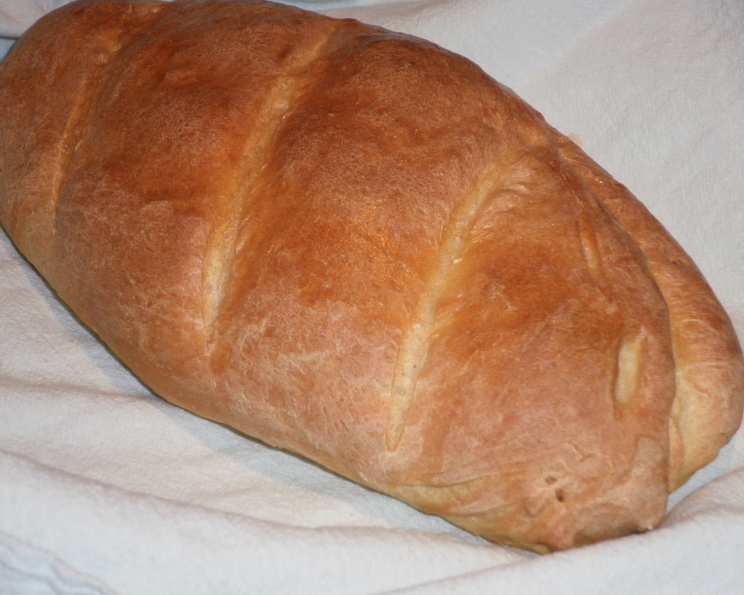
The Timeless Allure of a Perfect French Baguette
There’s a certain magic that happens when flour, water, yeast, and salt are coaxed together with care. It’s a transformation I’ve witnessed countless times in my kitchens, from the bustling professional world to the quiet comfort of my own home. But the baguette, that slender, golden-crusted icon of French baking, holds a special place in my heart. I remember the first time I truly tasted a proper baguette, still warm from a village boulangerie in Provence, the crust crackling under the slightest pressure, revealing an airy, tender crumb within. It was an epiphany, a revelation of simple ingredients elevated to an art form, and it ignited a lifelong passion for recreating that perfection.
Recipe Overview
- Prep Time: 15 minutes
- Cook Time: 30 minutes
- Total Time: 2 hours 30 minutes (includes rising time)
- Yields: 1 to 2 loaves
- Servings: 6 (per loaf, depending on slicing)
- Dietary Type: Vegan
Ingredients
This recipe, a classic from the pages of Gourmet, champions the traditional approach to baguette making, highlighting how a generous amount of salt is the true secret to its deeply satisfying flavor.
- 1 teaspoon active dry yeast
- 1 teaspoon sugar
- 1 ½ cups warm water (around 105-115°F / 40-46°C)
- 4 to 4 ½ cups unbleached all-purpose flour
- 2 ½ teaspoons salt
Equipment Needed
- Large mixing bowl
- Wooden spoon
- Lightly floured surface for kneading
- Lightly oiled deep bowl
- Plastic wrap
- Baking sheet (large, or a 17 by 14-inch sheet)
- Sharp knife or lame for scoring
- Pastry brush
- Wire cooling rack
Instructions
The journey to a perfect baguette is a patient one, rewarding you with unparalleled flavor and texture. While the traditional method is outlined here, this dough can indeed be adapted for a bread machine’s dough cycle, with the final bake taking place in your oven.
-
Activate the Yeast: In a large bowl, sprinkle the active dry yeast and sugar over the warm water. Let stand undisturbed for about 5 minutes, or until the mixture becomes foamy and active. This indicates your yeast is ready to work its magic.
-
Combine Wet and Dry (Initial Mix): Add 2 cups of the unbleached all-purpose flour to the yeast mixture. Stir with a wooden spoon until just combined. Don’t worry if it looks shaggy at this stage; this is the beginning of the dough’s structure.
-
Incorporate Salt and Flour: Stir in the salt, ensuring it’s evenly distributed. Then, gradually add 2 cups of the remaining flour, stirring until a stiff dough begins to form. The dough will be quite thick and challenging to stir with a spoon at this point.
-
Kneading the Dough: Transfer the dough to a lightly floured surface. Knead the dough with lightly floured hands for approximately 8 minutes. Continue to knead, adding just enough of the remaining ½ cup of flour as needed to prevent the dough from sticking to your hands or the surface. The goal is to achieve a smooth and elastic dough. You’ll know it’s ready when it springs back slightly when gently pressed.
-
First Rise: Lightly oil a deep bowl. Transfer the kneaded dough to the oiled bowl, turning it to coat all sides with the oil. This prevents the dough from drying out. Cover the bowl tightly with plastic wrap. Let the dough rise in a warm place until it has doubled in bulk, which typically takes about 1 ½ hours.
-
Preheat the Oven: While the dough is rising, preheat your oven to 400°F (200°C). Ensure your oven rack is in the middle position.
-
Shape the Loaf: Once the dough has doubled, punch it down gently to release the accumulated gases. On a lightly floured surface, shape the dough into a long, slender loaf approximately 21 inches in length and 3 inches in width.
-
Second Rise: Lightly grease a large baking sheet, or a 17 by 14-inch sheet. Place the shaped loaf diagonally on the prepared baking sheet. Let the loaf rise, uncovered, for about 30 minutes. This second, shorter rise allows the dough to relax and gain a little more volume before baking.
- Make-Ahead Note: If you wish to prepare the baguette dough ahead of time, it may be made up to this point (after the first rise and shaping) up to 4 hours in advance and chilled in the refrigerator. Allow it to come to room temperature slightly before proceeding with the final shaping and baking steps.
-
Score and Bake: Just before baking, make 3 or 4 diagonal slashes across the top of the loaf using a sharp knife or a baker’s lame. These cuts, known as scoring, allow the bread to expand evenly in the oven and create beautiful patterns. Lightly brush the top of the loaf with cool water. This helps create a crispier crust.
-
Baking: Bake the loaf in the middle of your preheated oven for 30 minutes, or until it achieves a beautiful golden-brown color. The crust should sound hollow when tapped.
-
Cooling: Once baked to perfection, transfer the baguette immediately to a wire cooling rack to cool completely. This prevents the bottom crust from becoming soggy.
Expert Tips & Tricks
- Flour Power: The range of flour (4 to 4 ½ cups) is intentional. Different flours absorb moisture differently. Start with 4 cups and add more only if the dough feels excessively sticky and unmanageable after the initial 8 minutes of kneading. A slightly tacky dough is preferable to a dry, tough one.
- The Salt Secret: Don’t be tempted to reduce the salt! The 2 ½ teaspoons might seem high for the amount of flour, but it’s crucial for developing the complex flavor profile that defines a truly exceptional baguette. It also plays a role in controlling yeast activity.
- Steam for Crust: While this recipe uses a light water brush, some bakers achieve an even crispier crust by creating steam in the oven. You can do this by placing a shallow pan of hot water on the bottom rack of your oven during the preheating phase, or by spraying the oven walls with water just before closing the door. Be cautious and avoid spraying the oven light.
- Scoring Technique: For clean, decisive scores, ensure your knife or lame is very sharp. Hold it at a slight angle (about 30 degrees) to the surface of the dough and make swift, confident cuts. The depth of the score should be about ¼ to ½ inch.
Serving & Storage Suggestions
The true joy of a baguette lies in its immediacy. Serve it warm, sliced thickly, with good quality butter, or use it as the foundation for a classic crostini, a delightful sandwich, or alongside your favorite soup or stew. It’s also divine simply enjoyed on its own, allowing the pure flavor of the bread to shine.
Store any leftover baguette at room temperature, loosely wrapped in a clean kitchen towel or a paper bag. It will remain at its best for about 1 to 2 days. To refresh a slightly stale baguette, lightly mist it with water and reheat it in a 350°F (175°C) oven for 5-10 minutes until the crust is crisp again. For longer storage, slice the baguette and freeze it in an airtight bag or container. It can be frozen for up to 3 months. Thaw at room temperature or reheat directly from frozen in a moderate oven.
Nutritional Information
This nutritional information is an estimate and can vary based on specific ingredients and quantities used.
| Nutrient | Amount per Serving | % Daily Value |
|---|---|---|
| Calories | 1848 kcal | N/A |
| Calories from Fat | N/A | N/A |
| Total Fat | 5.1 g | 7% |
| Saturated Fat | 0.8 g | 4% |
| Cholesterol | 0 mg | 0% |
| Sodium | 5832.8 mg | 243% |
| Total Carbohydrate | 387.3 g | 129% |
| Dietary Fiber | 14.3 g | 57% |
| Sugars | 5.5 g | 22% |
| Protein | 53.2 g | 106% |
Variations & Substitutions
While this recipe is a testament to the classic baguette, the world of bread offers endless possibilities.
- Whole Wheat Twist: For a heartier loaf with a nuttier flavor, substitute up to 1 cup of the all-purpose flour with whole wheat flour. You may need to adjust the water slightly as whole wheat flour absorbs more liquid.
- Herbal Infusion: Incorporate 1-2 tablespoons of finely chopped fresh herbs like rosemary, thyme, or chives into the dough during the kneading stage for an aromatic variation.
- Seed Topping: After shaping and before the second rise, lightly brush the loaf with water and sprinkle generously with sesame seeds, poppy seeds, or a blend of seeds for added texture and flavor.
FAQs
Q: My baguette didn’t rise as much as expected. What could be the cause?
A: This could be due to inactive yeast, water that was too hot or too cold, or a cool environment for rising. Ensure your yeast is fresh and the water temperature is correct (105-115°F / 40-46°C).
Q: How can I achieve a crispier crust?
A: Using steam in your oven during the initial phase of baking is the most effective method. Also, ensuring the baguette cools completely on a wire rack is essential to maintain crust crispness.
Q: Why is the amount of salt so high in this recipe?
A: The generous amount of salt is a deliberate choice in this recipe to develop a rich, complex flavor that is characteristic of a well-made baguette. It also plays a vital role in controlling the yeast’s activity.
Q: Can I use bread flour instead of all-purpose flour?
A: Yes, bread flour can be used. It has a higher protein content, which will result in a chewier texture and a more robust crust. You might need to adjust the water slightly as bread flour can absorb more liquid.
Q: What’s the best way to store baguette for later use?
A: For short-term storage, a paper bag or loosely wrapped kitchen towel at room temperature is best. For longer storage, freezing sliced baguette is ideal.
Final Thoughts
There is a profound satisfaction that comes from creating something as fundamental and universally loved as a French baguette. It’s a bread that speaks of tradition, patience, and the simple beauty of well-executed craft. So, take a moment, embrace the process, and let the aroma of freshly baked bread fill your home. I encourage you to share your own baguette triumphs and perhaps even a smear of your favorite butter or a dollop of good quality jam with this timeless loaf. Enjoy the journey, and more importantly, savor every delicious bite.