
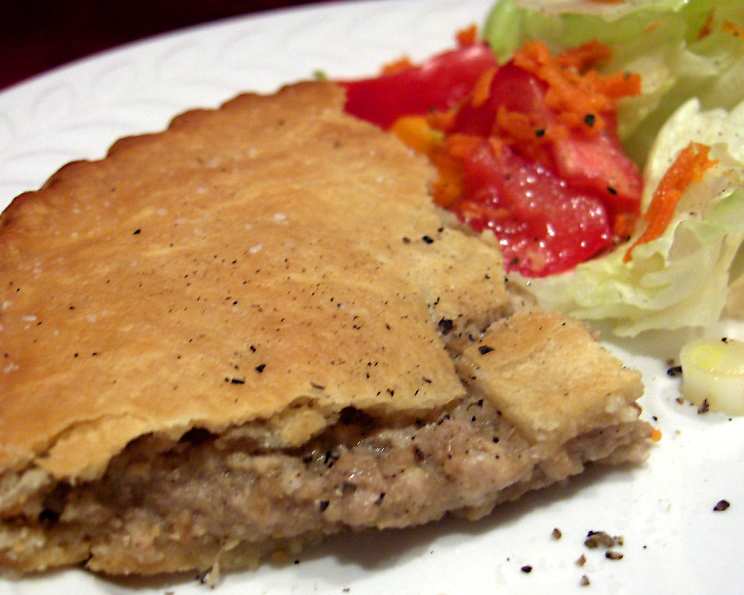
Tourtière I: A Taste of Québec’s Hearty Tradition
There are certain dishes that transport you, not just through flavor, but through time and memory. For me, tourtière is one of those dishes. Growing up, the scent of spices and slow-cooked meat wafting from my grandmother’s kitchen on a crisp autumn evening was a promise of warmth and comfort. It wasn’t just food; it was an embrace, a culinary hug from a heritage I cherished. While the legends of pigeon tourte are fascinating, the tourtière I know and love is a celebration of humble, honest ingredients, transformed into something truly magical through patience and love. It’s a cornerstone of Québecois cuisine, a dish that embodies the spirit of family gatherings and the simple joy of a hearty meal.
Recipe Overview
- Prep Time: 15 minutes
- Cook Time: 40 minutes
- Total Time: 55 minutes
- Servings: 4-6
- Yield: 1 pie
- Dietary Type: Traditional
Ingredients
This tourtière relies on a beautiful balance of savory pork, aromatic vegetables, and warming spices. The mashed potatoes act as a wonderful binder, creating a delightfully smooth yet substantial filling.
For the Filling:
- 500 ml ground pork
- 50 ml onions, finely chopped
- 3 ml salt
- 2 garlic cloves, minced
- 2 ml allspice
- 2 ml pepper
- 50 ml boiling water
- 250 ml potatoes, mashed very fine
For the Crust:
- 2 uncooked pie crusts (store-bought or your favorite homemade recipe)
Equipment Needed
- Large skillet or pot
- Medium bowl
- 9-inch pie plate
- Fork
- Baking sheet
- Oven
Instructions
Crafting a perfect tourtière is a rewarding process, and these steps will guide you to a truly authentic and delicious result.
- Begin by preparing the filling. In a large skillet or pot, combine the ground pork, finely chopped onions, salt, minced garlic cloves, allspice, and pepper.
- Pour in the boiling water. This will help to cook the pork through and create a flavorful base for the filling.
- Place the skillet over medium heat and simmer uncovered, stirring occasionally, until the meat is cooked through. This typically takes about 20-25 minutes, ensuring the pork is no longer pink.
- Once cooked, cool the mixture completely. This is a crucial step to allow any excess fat to solidify, making it easier to remove.
- After cooling, skim off any excess fat that has risen to the surface. This will result in a cleaner, more refined flavor.
- Gently stir in the very finely mashed potatoes into the cooled pork mixture. Ensure they are well incorporated, acting as a binder and creating a delightful texture.
- Preheat your oven to 230°C (450°F).
- Line a 9-inch pie plate with one of the uncooked pie crusts. Gently press it into the bottom and up the sides of the plate.
- Fill the prepared pie crust with the cooled meat and potato mixture. Spread it evenly.
- Cover the filling with the second uncooked pie crust.
- Seal the pastry edges by crimping them together, and cut vents in the top crust to allow steam to escape during baking.
- Place the pie on a baking sheet (this helps to catch any potential drips and ensures even baking).
- Bake for 10 minutes at 230°C (450°F). This initial high heat helps to set the crust and begin the cooking process.
- After 10 minutes, lower the oven temperature to 180°C (350°F) and continue baking for an additional 30 minutes, or until the crust is golden brown and the filling is heated through.
Expert Tips & Tricks
- The Importance of Cooling: Don’t rush the cooling process of the cooked meat mixture. Letting it cool completely allows the flavors to meld and any rendered fat to solidify, making skimming much more effective.
- Mashing the Potatoes: Ensure the potatoes are mashed extremely fine. Lumps of potato will disrupt the smooth texture of the filling. A ricer or food mill is ideal for this.
- Allspice Nuance: The original recipe wisely advises caution with allspice. It’s a powerful spice, so measuring accurately is key to avoiding an overpowering flavor. Taste the mixture before adding potatoes, and adjust if needed, but remember the flavors will deepen as it bakes.
- Crust Perfection: For an extra golden crust, you can brush the top with a beaten egg or milk before baking at the lower temperature.
Serving & Storage Suggestions
Tourtière is best served hot, straight from the oven, allowing its comforting aromas to fill the room. It pairs wonderfully with a crisp green salad, pickled beets, or a dollop of ketchup, a classic accompaniment in Québec.
Leftovers can be stored in an airtight container in the refrigerator for up to 3 days. To reheat, place a slice in a moderate oven (around 180°C/350°F) until warmed through, or gently reheat in a covered skillet on the stovetop. This dish also freezes beautifully; cool completely, wrap tightly in plastic wrap and then foil, and freeze for up to 2 months. Thaw overnight in the refrigerator before reheating.
Nutritional Information
| Nutrient | Amount per Serving | % Daily Value |
|---|---|---|
| Calories | 372.6 kcal | |
| Calories from Fat | 194 g | |
| Total Fat | 21.6 g | 33% |
| Saturated Fat | 7 g | 35% |
| Cholesterol | 3.8 mg | 1% |
| Sodium | 769.7 mg | 32% |
| Total Carbohydrate | 39.6 g | 13% |
| Dietary Fiber | 1.7 g | 6% |
| Sugars | 3.4 g | 13% |
| Protein | 4.8 g | 9% |
Note: Nutritional values are approximate and can vary based on specific ingredients used.
Variations & Substitutions
While this recipe focuses on the classic pork tourtière, the spirit of this dish allows for delicious adaptations. You could introduce a small amount of ground beef or veal alongside the pork for a more complex flavor profile. For a slightly richer filling, some home cooks add a splash of cream or milk to the potato mash. If you’re looking for a vegetarian option, a hearty blend of mushrooms, lentils, and root vegetables, seasoned similarly, can create a wonderful plant-based tourtière. Always ensure your mashed potato binder is adequate for the moisture content of your chosen filling.
FAQs
Q: What is the traditional meat used in tourtière?
A: Historically, tourtière was often made with “tourte,” a type of pigeon. Today, the most common and beloved version uses ground pork, sometimes combined with other meats like beef or veal.
Q: Why are potatoes added to the tourtière filling?
A: Mashed potatoes act as an excellent binder, helping to hold the filling together and giving it a wonderfully smooth, slightly creamy texture.
Q: Is it okay to use pre-made pie crusts?
A: Absolutely! Using pre-made pie crusts is a convenient way to enjoy homemade tourtière without the extra effort of making dough from scratch.
Q: How do I prevent the bottom crust from becoming soggy?
A: Baking the tourtière on a baking sheet helps to ensure the bottom crust is exposed to direct heat, promoting crispness. Ensuring the filling is not too wet before placing it in the crust also helps.
Q: Can I make tourtière ahead of time?
A: Yes, you can prepare the filling a day in advance and refrigerate it. Assemble the pie just before baking for the best results.
Final Thoughts
Tourtière is more than just a recipe; it’s a connection to tradition, a vessel of comfort, and a testament to the simple elegance of Québecois cuisine. Whether you’re making it for a special holiday or simply craving a taste of home, this recipe invites you to create a dish that will warm your heart and delight your palate. Gather your loved ones, share stories, and savor every hearty, flavorful bite. Bon appétit!